Not sure which tests to take? Share your prescription with us and our team will call you to book tests for you.
Request a Call Back
Female Sexual Health Awareness: Ovarian Cysts – Types, Causes, and Symptoms
February 16,2026
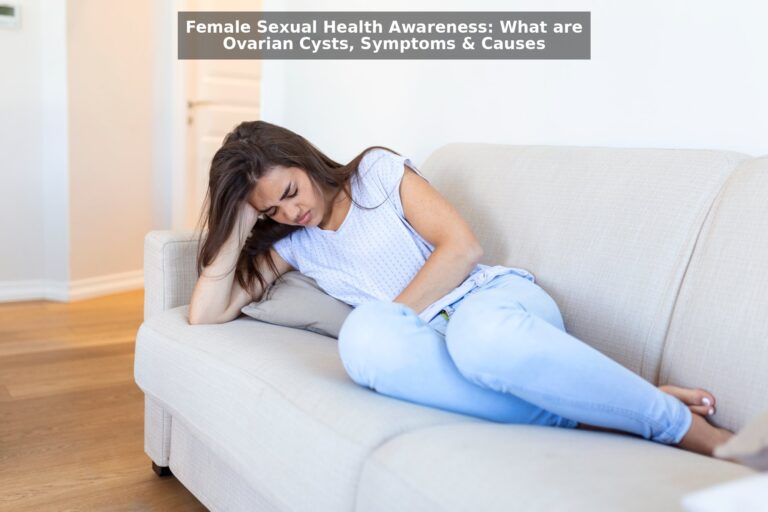
It can be scary to find out you have ovarian cysts after a routine scan. A lot of women worry right away about their ability to have children, cancer, or the need for surgery. Most ovarian cysts in women are common and usually not dangerous.
These cysts are like bags of fluid that form in or on the ovary. Many of them are linked to normal ovulation and go away on their own. Others may need to be watched, especially if they don’t go away, get worse, or cause pain.
Knowing what types of ovarian cysts there are, what are the common ovarian cyst causes, and ovarian cyst symptoms can help you stay calm and handle the situation. This is what every woman should know.
What Are Ovarian Cysts?
Ovarian cysts are sacs filled with fluid or semi-solid material that develop within or on the surface of an ovary. They are most frequently seen during reproductive years, but they can occur at any age.
In most cases, an ovary cyst forms as part of the menstrual cycle. A follicle grows during ovulation to let an egg go. A cyst may form for a short time if this process doesn’t go as planned.
Some patients mistake an ovary cyst for a cyst in uterus, but these are distinct conditions. A cyst in uterus usually means a growth in the uterus, like fibroids or endometrial cysts, that comes from the uterus itself and not the ovary.
Types of Ovarian Cysts
There are several types of ovarian cysts. Identifying the type helps guide management.
Functional Cysts
These are the most common and are linked to ovulation.
Follicular cyst – forms when the follicle does not release an egg.
Corpus luteum cyst – develops after the egg is released and fluid accumulates.
They are usually small and often resolve within one to three menstrual cycles.
Pathological Cysts
These are not related to the menstrual cycle and may persist.
Examples include dermoid cysts, cystadenomas, and endometriomas. Some remain stable for years, while others may grow and require surgical removal.
Simple Comparison
Feature
Functional Cyst
Pathological Cyst
Linked to ovulation
Yes
No
Common in reproductive age
Yes
Yes
Often resolves naturally
Frequently
Less often
May need surgery
Rare
Sometimes
Ultrasound imaging is central in differentiating these types.
What Are the Common Ovarian Cyst Causes?
For many women, ovarian cyst causes are part of normal hormonal activity. Ovulation is the most frequent reason.
Other ovarian cyst causes include hormonal imbalance, early pregnancy changes, endometriosis, and pelvic infections. A prior history of ovarian cysts may also increase recurrence risk.
Understanding ovarian cyst causes helps doctors decide whether observation is sufficient or further testing is needed.
Risk Factors for Ovarian Cysts
Certain women are more likely to develop cysts. Recognised risk factors for ovarian cysts include irregular menstrual cycles, hormonal therapy for infertility, endometriosis, pregnancy, and thyroid disorders.
Postmenopausal women can also develop cysts. While many remain benign, evaluation in this age group is more cautious.
What Are the Symptoms of Ovarian Cysts?
A lot of ovarian cysts don’t cause any symptoms and are found during routine scans.
When symptoms happen, they can include pain in the lower abdomen, pressure in the pelvis, bloating, or pain during sex. Some women have periods that don’t happen on time.
The most important sign that you need to see a doctor right away, if you wonder what are the symptoms of ovarian cysts, is severe and sudden pain. If a cyst breaks open or the ovary twists (torsion), this can happen. If you have pelvic pain and also feel dizzy, faint, or have a fever, you need to see a doctor right away.
Milder ovarian cyst symptoms usually get better on their own, but if the pain doesn’t go away, you should see a doctor.
Does It Matter If It Is a Left Ovarian Cyst or Right Ovarian Cyst?
A left ovarian cyst and a right ovarian cyst are managed similarly in most cases. The side does not usually determine severity.
However, a right ovarian cyst may sometimes be confused with appendicitis because of similar pain location. A left ovarian cyst may be mistaken for bowel-related discomfort. Imaging clarifies the diagnosis.
How Are Ovarian Cysts Diagnosed?
Diagnosis typically begins with a clinical evaluation and pelvic examination. If a cyst is suspected, an ultrasound scan is the primary tool used to assess size, shape, and internal characteristics.
Simple cysts appear thin-walled and fluid-filled. Complex cysts may contain solid areas or septations and require closer follow-up.
In selected cases, doctors may recommend blood tests such as CA-125, particularly in postmenopausal women. It is important to understand that tumour markers alone do not confirm cancer; they are interpreted alongside imaging findings and clinical context.
Laboratory testing supports safe evaluation but does not replace imaging.
Can Ovarian Cysts Affect Fertility?
Most functional ovarian cysts in women do not affect fertility and resolve naturally.
However, cysts associated with endometriosis or hormonal disorders like polycystic ovarian syndrome may influence ovulation. Large persistent cysts may also require surgical management, which is planned carefully to preserve ovarian tissue whenever possible.
Early assessment improves outcomes and reduces unnecessary intervention.
When Do Ovarian Cysts Need Treatment?
The age, symptoms, size of the cyst, and imaging results all play a role in deciding on treatment.
After six to eight weeks, women of reproductive age who have small, simple cysts are often checked again with an ultrasound. A lot of them go away on their own.
If the cyst is big, doesn’t go away, keeps getting bigger, or causes a lot of symptoms, surgery may be recommended. Whenever possible, minimally invasive methods are the best choice.
Conclusion
Ovarian cysts are a frequent finding in women across different age groups. In most cases, they are linked to normal hormonal activity and resolve without treatment. Knowing the types of ovarian cysts, recognising common ovarian cyst causes, and understanding ovarian cyst symptoms helps reduce unnecessary anxiety.
Persistent pain, complex imaging findings, or postmenopausal cysts require careful evaluation. With proper imaging and appropriate laboratory support, most women can be reassured and managed safely.
If you have been diagnosed with ovarian cysts, timely medical consultation and structured follow-up ensure clarity and confidence in your care.




Leave a Reply