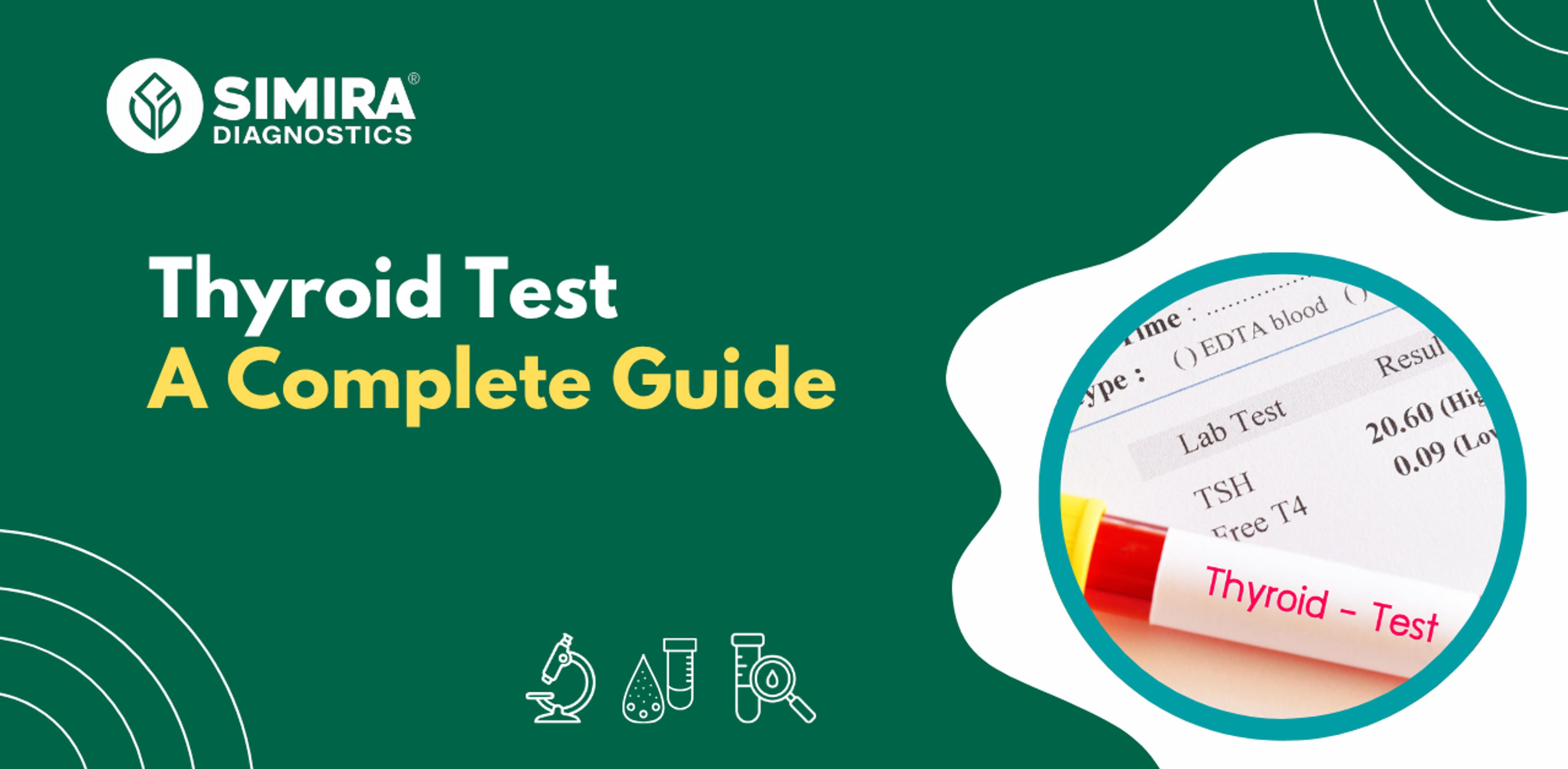
A thyroid test is a blood test that measures hormones such as TSH, T3, and T4 to check how well the thyroid gland is working. It helps diagnose conditions like hypothyroidism (high TSH) and hyperthyroidism (low TSH). For most adults, the normal TSH range is 0.4 to 4.0 mIU/L, though this can vary by lab, age, and pregnancy status.
This process is controlled by a feedback loop between your brain and thyroid gland:
● The hypothalamus releases thyrotropin-releasing hormone (TRH).
● TRH signals the pituitary gland to release TSH.
● TSH tells the thyroid gland how much T3 and T4 to produce.
When thyroid hormone levels drop, TSH rises to push the thyroid to make more. When thyroid hormone levels rise too high, TSH falls. This is why a thyroid blood test - especially the TSH test - is often the first and most reliable way to spot a thyroid problem, sometimes before symptoms even appear.
Why Thyroid Blood Tests Matter
Thyroid disorders are far more common than most people realize:
● Thyroid diseases affect nearly 1 in 10 adults in India, with an estimated 42 million people suffering from thyroid disorders, and many remain undiagnosed.
● According to the Office on Women's Health, about 1 in 8 women will develop a thyroid problem in her lifetime.
● Untreated thyroid imbalances can contribute to heart problems, high cholesterol, depression, weight changes, and fertility issues.
Because symptoms of thyroid dysfunction - fatigue, weight gain or loss, hair thinning, mood changes - overlap with so many other conditions, a thyroid test is often the quickest way to get a clear answer.
Types of Thyroid Tests
1. TSH Test
The TSH test is the standard first-line thyroid blood test. It's highly sensitive and usually enough on its own to screen for thyroid dysfunction.
2. Free T4 Test
Measures the active, unbound thyroxine hormone circulating in your blood. Doctors typically order this if TSH results are abnormal.
3. T3 Test
Checks triiodothyronine levels, often used when hyperthyroidism is suspected but T4 and TSH results are inconclusive.
4. Thyroid Antibody Test (TPO)
Detects autoimmune thyroid conditions such as Hashimoto's thyroiditis or Graves' disease.
5. Reflex/Cascade Testing
Many labs use a cascade approach: if your TSH is out of range, the lab automatically runs Free T4 and/or antibody tests on the same sample, saving you a second blood draw.
Who Should Get a Thyroid Test?
You don't need to wait for severe symptoms to get screened. Consider asking your doctor for a thyroid test if you experience:
● Ongoing fatigue that doesn't improve with rest
● Sudden or unexplained weight gain or loss
● Irregular heartbeat, anxiety, or heat/cold intolerance
● Hair thinning, brittle nails, or dry skin
● Irregular menstrual cycles or fertility difficulties
● A family history of thyroid disease
Certain groups are also advised to test more routinely, including women planning pregnancy, adults over 60, people with autoimmune conditions like type 1 diabetes, and anyone with a visible lump or swelling in the neck.
Normal Range for Thyroid Test Results
Reference ranges can vary slightly between labs, age groups, and pregnancy status, but general adult ranges look like this:
| Thyroid Test | Typical Normal Range | What It Checks |
| TSH | 0.4 - 4.0 mIU/L | Screens overall thyroid function |
| Free T4 | 0.8 - 1.8 ng/dL | Active thyroid hormone in blood |
| T3 (Total) | 80 - 200 ng/dL | Secondary hormone confirmation |
| TPO Antibodies | Below 9 IU/mL (lab-dependent) | Autoimmune thyroid activity |
Some clinicians consider a tighter “optimal” TSH range of 0.5-2.5 mIU/L, and ranges shift during pregnancy (roughly 0.1-4.0 mIU/L depending on trimester) and with age. Always compare your results to the reference range printed on your specific lab report, and review them with your doctor.
What Do High TSH and Low TSH Levels Mean?
High TSH (Possible Hypothyroidism)
A high TSH usually means your thyroid isn't producing enough hormone, so your pituitary gland raises TSH to compensate. Common signs include:
● Persistent fatigue
● Unexplained weight gain
● Cold intolerance
● Dry skin and hair thinning
● Constipation
● Low mood or brain fog
Low TSH (Possible Hyperthyroidism)
A low TSH usually points to an overactive thyroid producing too much hormone. Common signs include:
● Anxiety or nervousness
● Rapid or irregular heartbeat
● Unexplained weight loss
● Heat intolerance and sweating
● Hand tremors
● Trouble sleeping
Neither result confirms a diagnosis on its own - your doctor will interpret TSH alongside Free T4, symptoms, and sometimes a repeat test before deciding on treatment.
How to Prepare for a Thyroid Test
Good news: a thyroid test requires very little preparation. A few tips help ensure accurate results:
● Fasting is usually not required, but confirm with your lab, especially if other blood tests are being done at the same time.
● Book a morning appointment when possible, since TSH levels naturally fluctuate throughout the day.
● Avoid high-dose biotin (Vitamin B7) supplements for 2-3 days before the test - biotin can cause falsely low TSH and falsely high T3/T4 readings.
● Tell your provider about all medications, including thyroid hormone replacement, as timing can affect results.
● Mention if you're pregnant, since normal ranges shift by trimester.
● Wear a short-sleeved top to make the blood draw quicker and more comfortable.
Benefits of Thyroid Tests
● Early detection of hypothyroidism, hyperthyroidism, and autoimmune thyroid disease, often before symptoms become severe
● Simple monitoring tool for people already on thyroid medication, to fine-tune dosage
● Supports safe pregnancy, since untreated thyroid imbalance can affect fetal development
● Rules out thyroid causes behind fatigue, weight change, hair loss, or mood symptoms
● Fast and minimally invasive - results are usually ready within 24-48 hours
What Are the Risks of Thyroid Tests?
A thyroid blood test is considered very low-risk. Since it only involves a standard blood draw, potential risks are minor and short-lived:
● Slight pain, bruising, or redness at the needle site
● Rare lightheadedness during the blood draw
● Very rare risk of infection at the puncture site
● Results can be skewed by biotin supplements, certain medications, or recent illness - not a risk to your health, but to result accuracy
Overall, the benefits of catching a thyroid problem early far outweigh these minimal risks. Most people describe a thyroid blood test as no different from any other routine blood draw - quick, safe, and over within a few minutes.
Thyroid Test Near Me - How to Find One
If you're searching for a “thyroid test near me,” you have a few reliable options:
● Ask your primary care doctor for a lab referral
● Visit an accredited diagnostic lab or pathology center in your city
● Use an at-home blood collection service that partners with certified labs
● Check if your health insurance covers routine thyroid screening
Look for labs that are NABL-accredited to ensure your thyroid blood test results are accurate and comparable across future tests.
Conclusion
A thyroid test is one of the simplest, most informative blood tests you can take to understand your metabolism, energy levels, and overall hormonal health. Whether you're checking a normal range, investigating high TSH or low TSH symptoms, or simply searching for a “thyroid test near me,” getting screened early makes thyroid conditions far easier to manage. If you've been experiencing fatigue, weight changes, or mood shifts, talk to your doctor about scheduling a thyroid blood test - it's quick, low-risk, and could be the missing piece to feeling like yourself again.