
Simira Diagnostics
Simira Health Journal

Insights & wellnessHealth Articles & Insights

Plain-language guides to tests, results and everyday health.

71 articles

  • Are "Sugar-Free" Mithai Really Safe for Diabetics?Health & Wellness

    Latest10 min read

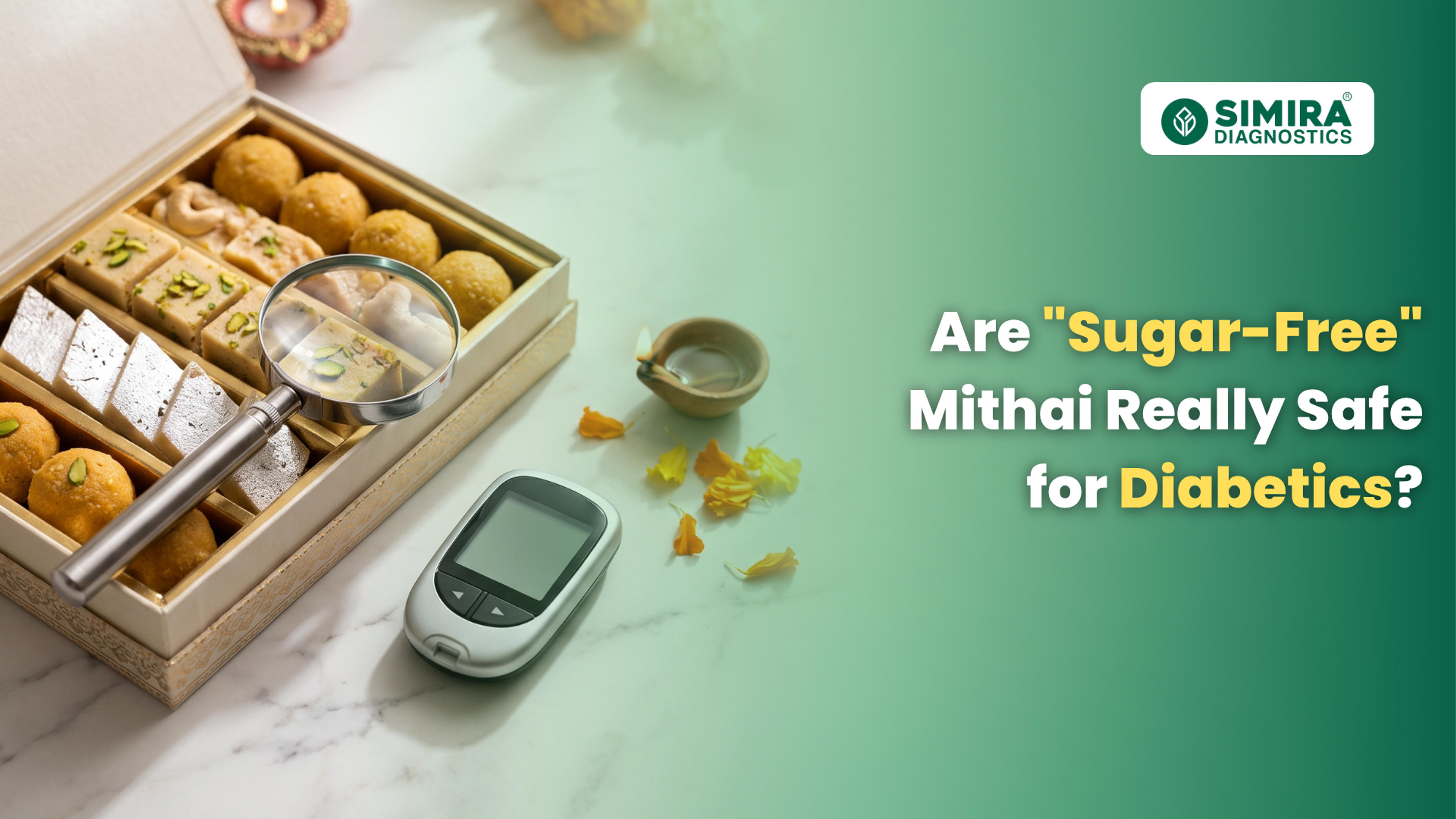
    Are "Sugar-Free" Mithai Really Safe for Diabetics?

    “Sugar-free” on a mithai box can feel like a free pass, but for people with diabetes it often isn’t. Many sugar-free sweets are still made with khoya, flour, ghee and dry fruits, which carry plenty of carbs and calories. Some use sugar alcohols like maltitol that can still raise blood sugar, and “no added sugar” versions made with dates or jaggery are high in natural sugars. This guide explains what’s really inside sugar-free mithai, how different sweeteners affect glucose, how to read labels, and smart ways to enjoy festive sweets without a sugar spike.

    By Dr. Santosh WakchaureRead

  • How to Prepare for a Semen Analysis: Abstinence, Diet and Do's and Don'tsHealth & Wellness

    8 min read

    How to Prepare for a Semen Analysis: Abstinence, Diet and Do's and Don'ts

    A semen analysis is simple, but small mistakes in preparation can lead to misleading results and a repeat test. Abstaining for too short or too long, a recent fever, alcohol, smoking, heat exposure or using the wrong lubricant can all affect sperm count and motility. This guide explains how many days of abstinence are recommended, what to eat and avoid in the days before, how to collect the sample correctly, how quickly it needs to reach the lab, and a handy list of do’s and don’ts for accurate results.

    By Dr. Santosh WakchaureRead

  • Tumour Markers Explained: CEA, CA-125, CA 19-9 & AFP (What They Can and Can't Tell)Health & Wellness

    9 min read

    Tumour Markers Explained: CEA, CA-125, CA 19-9 & AFP (What They Can and Can't Tell)

    A raised tumour marker on a blood report can be frightening, but it rarely tells the whole story. CEA, CA-125, CA 19-9 and AFP are proteins that may rise with certain cancers, yet they can also go up with infections, liver disease, smoking, endometriosis or pregnancy, and some cancers don’t raise them at all. This guide explains what each marker is linked to, why doctors use them mainly to support diagnosis and monitor treatment rather than to screen healthy people, what normal ranges look like, and what to do if your result is high.

    By Dr. Santosh WakchaureRead

  • Homocysteine: The Heart and Brain Risk Marker Most Checkups SkipHealth & Wellness

    11 min read

    Homocysteine: The Heart and Brain Risk Marker Most Checkups Skip

    Your cholesterol, sugar and blood pressure may all look fine, yet one marker most routine checkups leave out could still be raising your risk of heart attack, stroke and memory decline. Homocysteine is an amino acid that, at high levels, can damage blood vessel walls and encourage clotting. In India, where vitamin B12 and folate deficiency are common, especially among vegetarians, raised homocysteine is surprisingly frequent. This guide explains what the test measures, normal levels, the main causes, who should get tested and simple ways to bring it down.

    By Dr. Santosh WakchaureRead

  • Diwali & Diabetes: Which Blood Tests Should You Get This Festive Season?Health & Wellness

    11 min read

    Diwali & Diabetes: Which Blood Tests Should You Get This Festive Season?

    Between mithai, fried snacks, late dinners and busy schedules, Diwali can quietly push blood sugar, cholesterol and triglycerides off track. The right blood tests help you see where you stand and catch problems before they settle in. This guide explains which tests people with diabetes (or at risk of it) should consider before and after the festive season, including fasting and post-meal sugar, HbA1c, lipid profile, kidney and liver function and urine microalbumin, plus when to time each one for the most useful results.

    By Dr. Santosh WakchaureRead

  • How to Prepare for a Blood Test: Fasting Hours, Water, Medicines & Best TimeHealth & Wellness

    9 min read

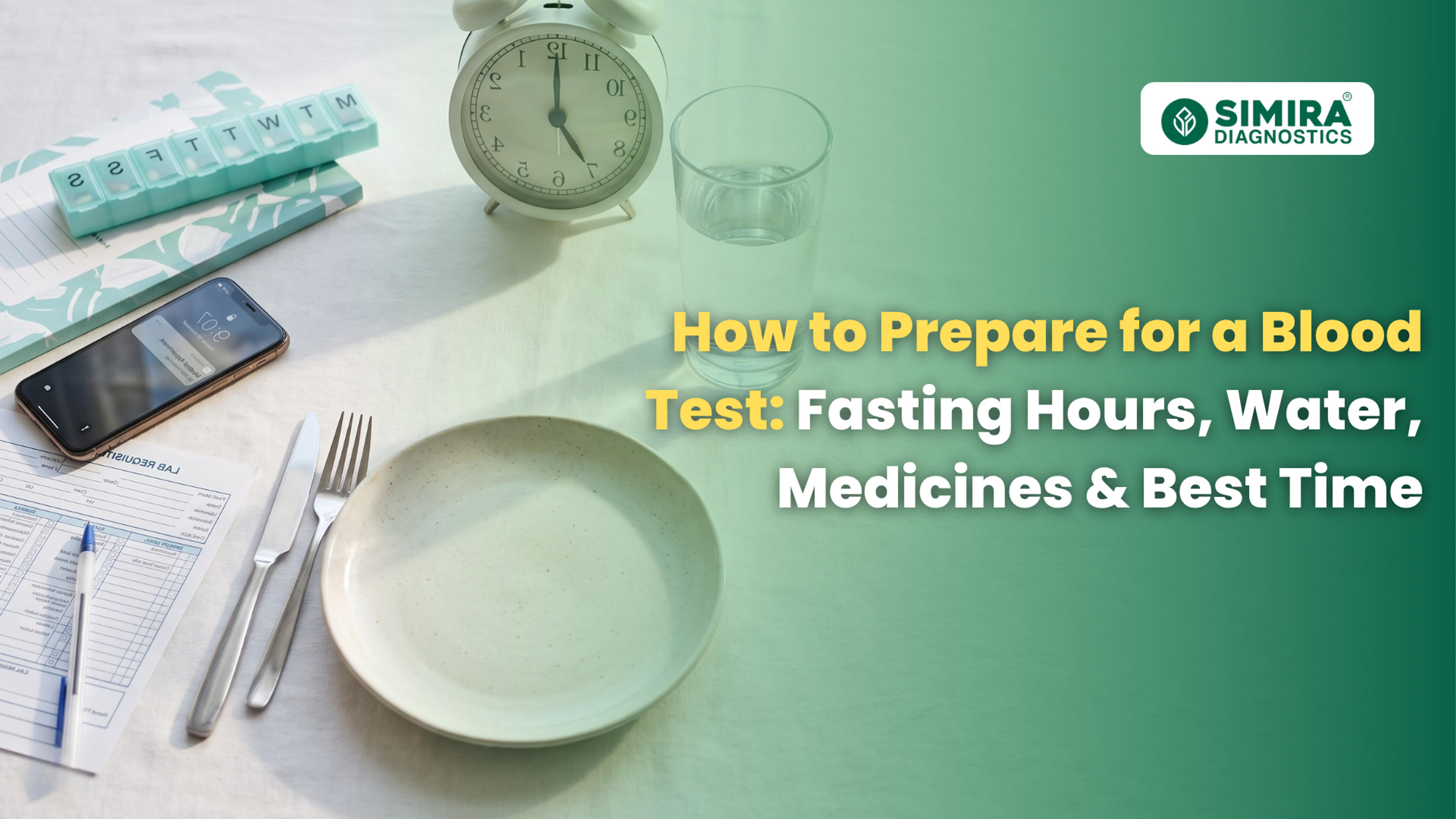
    How to Prepare for a Blood Test: Fasting Hours, Water, Medicines & Best Time

    A little preparation can make the difference between an accurate blood report and a repeat visit. Some tests need 8 to 12 hours of fasting, while others don’t need any. Plain water is usually fine and even helpful, but coffee, tea, alcohol, heavy exercise and some medicines or supplements can skew your results. This guide explains which tests need fasting, how long to fast, what you can drink, how to handle regular medicines, and the best time of day to get tested.

    By Dr. Santosh WakchaureRead

  • When Should a Man Get a Semen Analysis?Health & Wellness

    10 min read

    When Should a Man Get a Semen Analysis?

    Many men only think about a semen analysis after months or years of trying for a baby, but earlier testing can save couples time and stress. Doctors usually suggest it after 12 months of trying, or after 6 months if the female partner is over 35. Some men should test sooner, including those with a history of undescended testes, varicocele, testicular injury, mumps, or cancer treatment. This guide explains the right time to get tested, the signs that shouldn’t wait, and other situations where a semen analysis is needed, such as after a vasectomy.

    By Dr. Santosh WakchaureRead

  • Testicular Cancer in Young Men: Self-Exam Steps and the AFP, Beta-hCG & LDH TestsHealth & Wellness

    10 min read

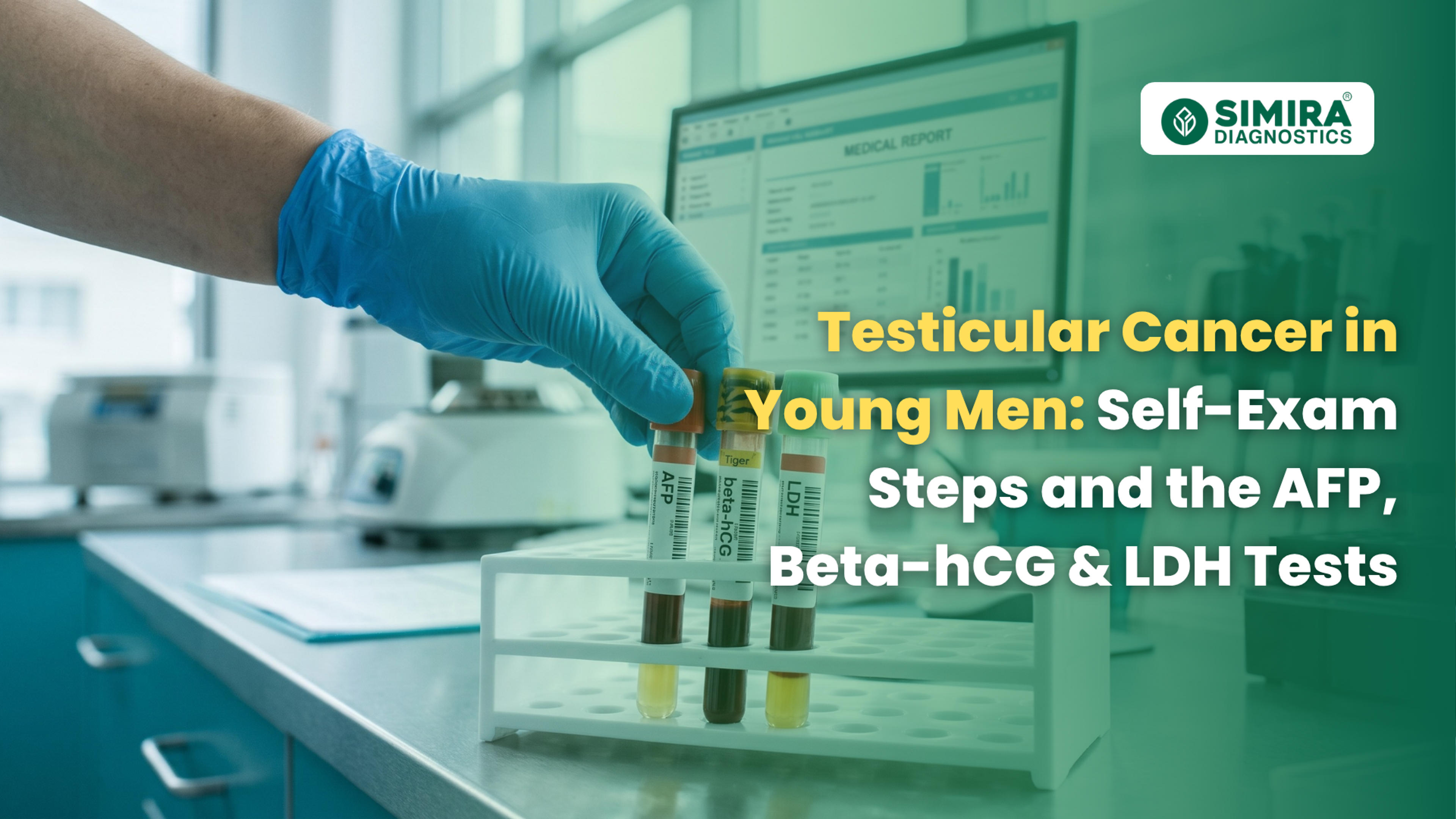
    Testicular Cancer in Young Men: Self-Exam Steps and the AFP, Beta-hCG & LDH Tests

    Testicular cancer is the most common cancer in young men aged 15 to 35, and one of the most treatable when caught early. Yet many men ignore a painless lump or swelling out of embarrassment or simply not knowing what to look for. This guide walks through a simple monthly self-exam, the early warning signs that need a doctor’s visit, and how the AFP, beta-hCG and LDH blood tests, along with an ultrasound, help with diagnosis, treatment planning and follow-up.

    By Dr. Santosh WakchaureRead

  • Semen Analysis: The Complete Guide for Men and CouplesHealth & Wellness

    10 min read

    Semen Analysis: The Complete Guide for Men and Couples

    When a couple has been trying to conceive for a year (or six months if the woman is over 35), a semen analysis is one of the first and simplest tests to do. It’s quick, non-invasive and gives clear answers about sperm health. This complete guide covers when men should get tested, how to prepare, what happens at the lab, how to read each value on the report, why a single abnormal result isn’t the final word, and how couples can plan their next steps together.

    By Dr. Santosh WakchaureRead

Stay updated with health insights

Subscribe to our newsletter and get the latest health tips and diagnostic news delivered to your inbox.