Introduction
A semen analysis is one of the most commonly recommended tests when evaluating male fertility. It helps assess important characteristics of semen, including sperm count, concentration, motility (movement), morphology (shape) and other parameters that provide information about reproductive health.
However, the accuracy and usefulness of the report depend partly on proper sample collection and preparation. Factors such as the duration of sexual abstinence, recent illness, sample collection methods and transportation can influence the results.
If you have been advised to undergo a semen analysis, understanding what to do before the test can help you avoid common mistakes and ensure that your sample is collected correctly.
In this guide, we explain how to prepare for a semen analysis, how many days of abstinence are recommended, what to eat, what to avoid and how to collect the sample properly.
What is a Semen Analysis?
A semen analysis is a laboratory investigation that evaluates semen and its sperm characteristics. It is commonly recommended as part of an initial assessment of male fertility.
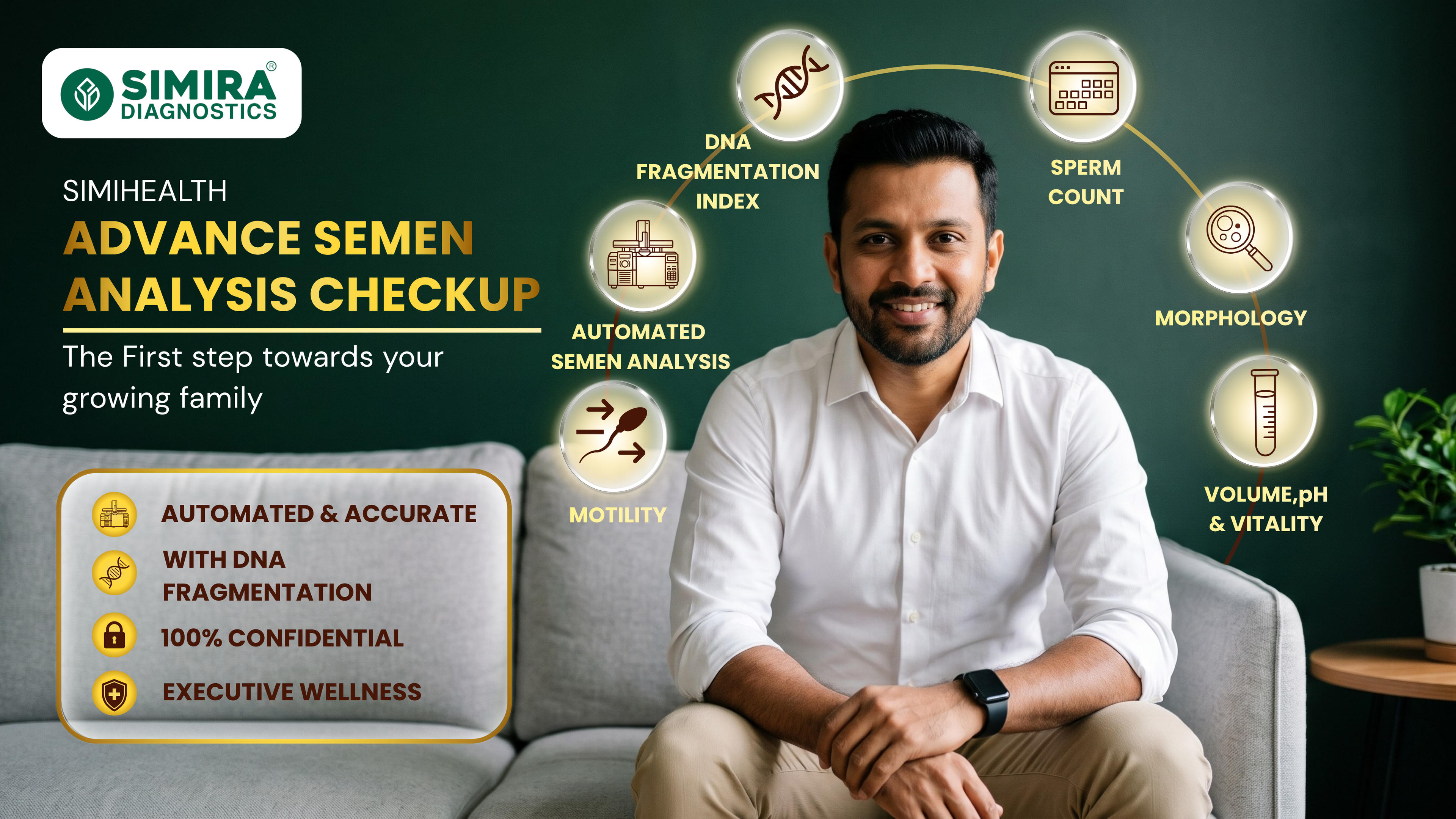
The test examines several important parameters:
| Parameter | What it measures |
| Semen volume | Amount of semen produced during ejaculation |
| Sperm concentration | Number of sperm per millilitre of semen |
| Total sperm number | Total number of sperm in the entire ejaculate |
| Sperm motility | Percentage of sperm that move |
| Progressive motility | Percentage of sperm that move forward effectively |
| Sperm morphology | Percentage of sperm with a normal shape |
| Sperm vitality | Percentage of live sperm |
| Semen pH | Acidity or alkalinity of semen |
These parameters help doctors understand aspects of sperm production and function. However, semen analysis alone cannot guarantee fertility or determine whether a couple can conceive naturally.
1. How Many Days of Abstinence Are Required Before a Semen Analysis?
One of the most important preparation steps is maintaining the recommended period of sexual abstinence.
According to the World Health Organization (WHO), semen samples for standard analysis should generally be collected after 2–7 days of sexual abstinence.
Abstinence means avoiding ejaculation during this period, including through:
- Sexual intercourse
- Masturbation
- Other activities that result in ejaculation
Why does abstinence matter?
The duration of abstinence can influence semen volume, sperm concentration and other semen characteristics.
- Very short abstinence: May result in lower semen volume and total sperm count.
- Longer abstinence: May increase semen volume and sperm concentration, but can also affect motility and other sperm characteristics.
For meaningful interpretation and comparison between reports, follow the same abstinence duration recommended by your laboratory or doctor.
Tip: Do not assume that longer abstinence always produces better results. Follow the recommended 2–7-day window and the laboratory's specific instructions.
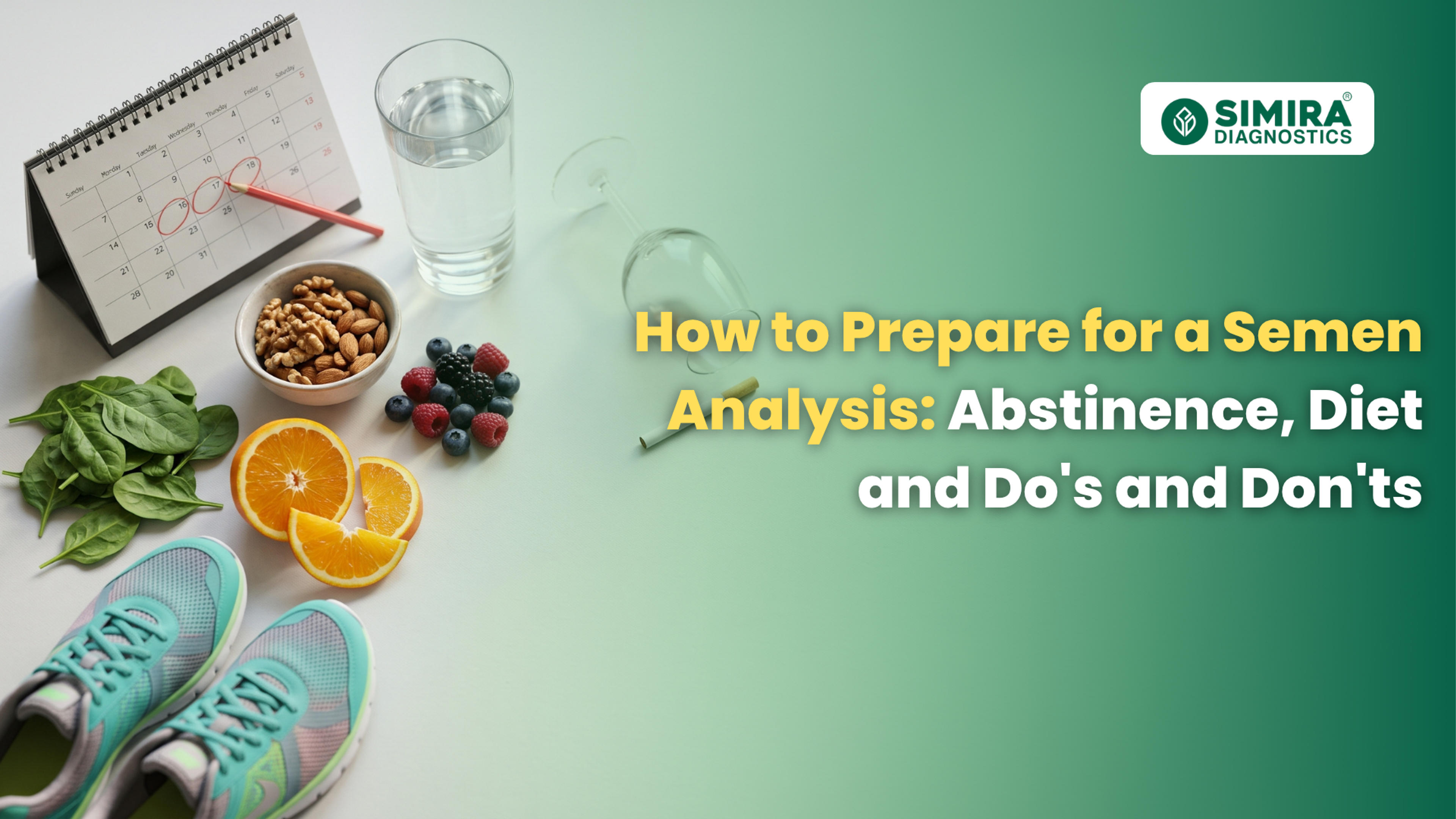
2. What Should You Eat Before a Semen Analysis?
There is no special food or diet that can immediately improve semen analysis results a day or two before testing.
However, maintaining a balanced diet over time supports general health and normal reproductive function.
Foods that support reproductive health
1. Fruits and vegetables
Include oranges, berries, spinach, carrots, tomatoes and other colourful fruits and vegetables. They provide vitamins, minerals and antioxidants.
2. Nuts and seeds
Almonds, walnuts, pumpkin seeds and sunflower seeds provide healthy fats and nutrients such as zinc and vitamin E.
3. Protein-rich foods
Include eggs, pulses, lentils, beans, fish and other suitable protein sources as part of a balanced diet.
4. Whole grains
Oats, brown rice and whole-wheat foods provide fibre and support overall metabolic health.
5. Foods containing zinc and folate
Nuts, seeds, legumes and leafy green vegetables provide nutrients involved in normal cellular and reproductive functions.
Remember that eating particular foods does not guarantee improved sperm count, motility or fertility. Nutritional changes generally need time to influence sperm production.
3. What Should you Avoid Before a Semen Analysis?
Certain habits, substances and collection practices may affect semen quality or the reliability of the sample.
Avoid these common mistakes
1. Do not ejaculate during the recommended abstinence period
Maintain the advised 2–7 days of abstinence before sample collection.
2. Avoid alcohol and smoking
Heavy alcohol consumption and tobacco use are associated with poorer reproductive health. Avoiding them supports general health, although stopping for a few days does not necessarily change the test result immediately.
3. Avoid recreational drugs and anabolic steroids
Some recreational substances and anabolic steroids can negatively affect sperm production. Prescribed testosterone therapy can also suppress sperm production. Discuss any such use with your doctor.
4. Do not use ordinary lubricants
Many lubricants may interfere with sperm movement or affect the sample. Avoid them unless the laboratory specifically provides an approved collection product.
5. Do not use an ordinary condom
Conventional condoms may contain lubricants or substances that affect sperm. Use only a laboratory-approved collection condom if the laboratory permits this method.
6. Do not collect the sample in an ordinary household container
Use the sterile, laboratory-approved container provided or recommended by the laboratory.
7. Do not ignore recent fever or illness
A significant fever or illness may temporarily affect sperm production and semen parameters for several weeks or longer. Inform your doctor and laboratory if you have recently been unwell.
4. How to Collect a Semen Sample Correctly
Proper sample collection is essential for reliable laboratory analysis.
Follow these steps:
- Wash your hands: Clean your hands before collecting the sample.
- Clean the genital area: Follow the laboratory's hygiene instructions.
- Use the sterile container: Open the container only when you are ready to collect the sample.
- Collect by masturbation: Collect the semen directly into the sterile container, as instructed by the laboratory.
- Collect the entire sample: The first portion of the ejaculate may contain a higher concentration of sperm. If any part is spilled or missed, inform the laboratory staff.
- Close the container securely: Avoid touching the inside of the container or its lid.
- Label and submit the sample: Follow the laboratory's instructions for identification and submission.
Can you collect the semen sample at home?
Some laboratories permit home collection, while others may require collection at the testing facility.
Before collecting at home, confirm:
- Whether home collection is accepted.
- The approved collection container.
- The required sample delivery time.
- Any temperature or transportation instructions.
Semen samples are generally expected to reach the laboratory promptly, often within one hour, but the exact time and handling requirements should be confirmed with the laboratory.
Do not refrigerate or expose the sample to extreme temperatures unless specifically instructed.
5. Does Diet Affect Semen Analysis Results?
Diet can influence overall reproductive health, but its effect is not immediate.
Sperm development takes approximately 74 days, followed by additional maturation and transport. Therefore, dietary and lifestyle changes may take several months to influence sperm characteristics.
A balanced diet can support:
- Normal sperm production.
- Healthy metabolic function.
- Adequate intake of essential vitamins and minerals.
- Overall reproductive health.
However, a particular food, juice or supplement cannot guarantee an improvement in sperm count or motility.
If you are considering fertility supplements, discuss them with a healthcare professional. High doses of certain vitamins and minerals may be harmful.
6. Can Exercise, Stress and Sleep Affect Semen Quality?
Yes. Lifestyle factors can influence reproductive health and may contribute to variations in semen parameters.
Exercise
Regular moderate physical activity supports general health. However, excessive exercise, anabolic steroid use and certain performance-enhancing substances may negatively affect reproductive function.
Stress
Prolonged stress may influence hormonal balance, sexual health and general well-being. Managing stress is beneficial, although stress alone cannot explain every abnormal semen result.
Sleep
Adequate sleep supports normal hormonal and metabolic function. Maintaining a consistent sleep schedule is a useful part of a healthy lifestyle.
Smoking and alcohol
Smoking and heavy alcohol consumption are associated with poorer reproductive health. Reducing or avoiding these habits may support long-term fertility.
7. What if your Semen Analysis Report is Abnormal?
An abnormal semen analysis does not automatically mean infertility.
Semen parameters can vary between samples due to biological variation, recent illness, abstinence duration, collection conditions and other factors.
Depending on the findings, your doctor may recommend:
- Repeating the semen analysis.
- Reviewing your medical and reproductive history.
- A physical examination.
- Hormonal investigations, when indicated.
- Additional fertility tests, depending on the clinical situation.
A repeat test may be particularly useful when the first report shows abnormal findings. Follow your doctor's advice about when to repeat it and how to prepare.
Remember that male fertility assessment should consider the overall clinical picture and, when appropriate, both partners.
Semen Analysis Preparation Checklist: Do's and Don'ts
| Do's | Don'ts |
| Maintain 2–7 days of abstinence, as instructed | Do not ejaculate during the abstinence period |
| Use a sterile collection container | Do not use household containers |
| Collect the complete sample | Do not ignore a spilled or missed portion |
| Follow laboratory collection instructions | Do not use unapproved lubricants |
| Inform the lab about recent fever or illness | Do not hide relevant medical history |
| Follow sample transportation instructions | Do not delay sample delivery unnecessarily |
| Maintain a balanced diet and healthy lifestyle | Do not rely on last-minute foods or supplements |
| Inform your doctor about medicines and supplements | Do not stop prescribed medicines without advice |
Conclusion
Preparing properly for a semen analysis helps ensure that the sample is collected and handled correctly. Maintaining the recommended 2–7 days of abstinence, using a sterile container, collecting the complete sample and following transportation instructions are essential steps.
While a balanced diet, regular exercise, adequate sleep and healthy habits support reproductive health, no last-minute food or supplement can guarantee better semen results.
If you are planning a semen analysis, follow your laboratory's instructions and consult a qualified healthcare professional to understand your results and determine the next steps.
Medical Disclaimer: This article is intended for general educational and awareness purposes only. It is not a substitute for medical diagnosis, treatment or professional medical advice. Health screening recommendations vary according to age, sex, symptoms, medical history, medications, family history and individual risk factors. Please consult a qualified healthcare professional before deciding which tests or screenings are appropriate. Do not start, stop or change medication based solely on information in this article.