

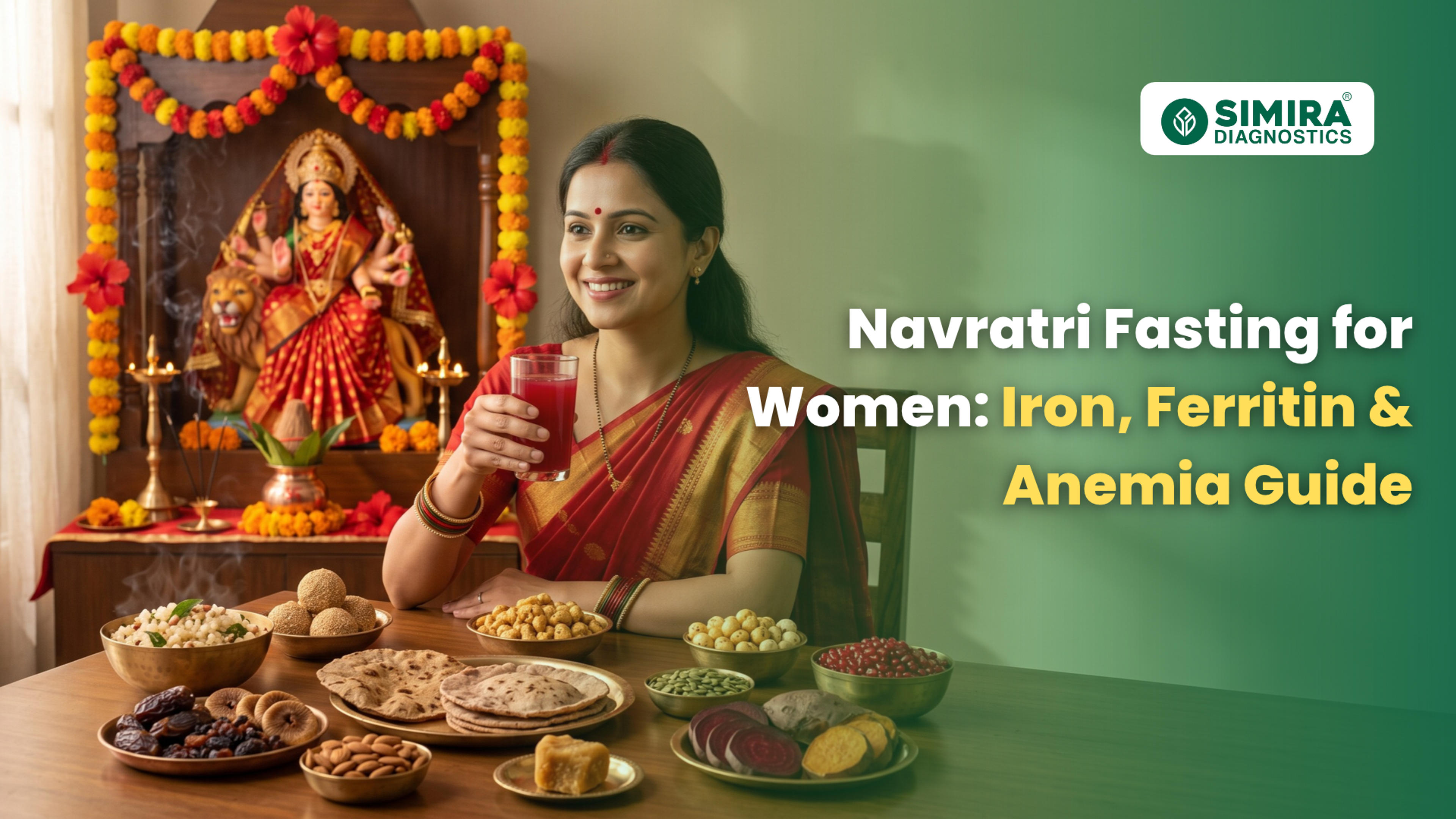
Navratri Fasting for Women: Iron, Ferritin & Anemia Guide
Introduction
Navratri is a time of devotion, celebration, and fasting for many women across India. From sabudana khichdi and vrat-friendly snacks to fruits, nuts, and dairy products, fasting meals often look different from everyday diets. However, while following traditional fasting practices, it is also important to pay attention to your nutritional needs.
Have you ever experienced unusual tiredness, dizziness, weakness, or low energy during Navratri? Although fasting patterns, changes in meal timing, and inadequate fluid intake can contribute to these symptoms, they should not automatically be attributed to fasting alone. Iron deficiency and anemia are other possible causes of persistent fatigue in women.
Women who menstruate, particularly those with heavy periods, may be at increased risk of iron deficiency. Understanding the role of iron, ferritin, and haemoglobin can help you make informed decisions about your health.
In this guide, we explain how to maintain iron intake during Navratri fasting, the difference between iron deficiency and anemia, and which blood tests can help identify potential nutritional deficiencies.
Why Is Iron Important for Women's Health?
Iron is an essential mineral that helps the body produce haemoglobin, a protein in red blood cells responsible for carrying oxygen from the lungs to the rest of the body.
When the body does not have enough iron, it may struggle to produce healthy red blood cells. Iron deficiency can develop before haemoglobin levels fall enough to meet the criteria for anemia.
Iron supports several important bodily functions, including:
- Oxygen transport to tissues and organs.
- Normal energy metabolism.
- Brain function and concentration.
- Physical performance and stamina.
- Normal immune function.
Women who menstruate lose some iron through menstrual bleeding. Those with heavy periods may lose more iron than their diets can replace, increasing their risk of iron deficiency.
During Navratri, changes in food choices and meal frequency may also affect iron intake, depending on what a person eats and their usual nutritional status.
Important: Navratri fasting does not automatically cause iron deficiency or anemia. The risk depends on factors such as existing iron stores, dietary choices, menstrual blood loss, absorption, and other health conditions.
What Is Ferritin and Why Does It Matter?
Ferritin is a protein that stores iron in the body. A serum ferritin blood test measures the amount of ferritin in your blood and is commonly used to assess the body's iron stores.
Think of ferritin as an indicator of your body's stored iron supply. When iron stores become depleted, ferritin levels often fall, sometimes before anemia develops.
Ferritin vs Haemoglobin: What Is the Difference?
Although ferritin and haemoglobin are both important indicators of iron status, they measure different things.
| Test or marker | What it tells you |
| Ferritin | Helps assess the body's iron stores |
| Haemoglobin (Hb) | Measures the oxygen-carrying protein in red blood cells |
| Complete Blood Count (CBC) | Measures haemoglobin and other blood components, including red blood cell indices |
| Iron studies | May include serum iron, transferrin or total iron-binding capacity, and transferrin saturation |
A person can have low ferritin but a haemoglobin level that is still within the normal range. This can indicate iron deficiency without anemia.
Ferritin can also rise during inflammation, infection, or certain chronic illnesses. Therefore, a normal or elevated ferritin result does not always rule out iron deficiency, and a clinician may interpret it alongside other tests.
What Is Iron-Deficiency Anemia?
Iron-deficiency anemia occurs when a lack of iron prevents the body from producing enough healthy red blood cells and haemoglobin.
It is an important cause of anemia worldwide and is particularly relevant to women who experience menstrual blood loss, pregnancy, or inadequate iron intake.
Common Symptoms of Iron Deficiency and Anemia
Watch for symptoms such as:
- Persistent tiredness or unusual weakness.
- Dizziness or light-headedness.
- Pale skin.
- Shortness of breath during physical activity.
- Headaches.
- Heart palpitations.
- Difficulty concentrating.
- Reduced exercise tolerance.
- Brittle nails or hair shedding in some individuals.
- Cravings for non-food substances, such as ice or soil, in some cases.
These symptoms are not specific to iron deficiency. They can also occur with thyroid disorders, vitamin deficiencies, sleep problems, and other medical conditions.
If you experience persistent or worsening symptoms, consult a healthcare professional rather than relying on diet changes alone.
How Can Navratri Fasting Affect Iron Intake?
Traditional Navratri meals can be nutritious when planned carefully. However, some fasting patterns rely heavily on starchy foods or include a limited variety of iron-rich ingredients.
Here are a few dietary factors to consider.
1. Limited Variety in Meals
Meals based mainly on potatoes, sabudana, or other starch-rich foods may provide energy but may not supply enough iron, protein, and other essential nutrients if the rest of the diet is limited.
What to do: Include a variety of permitted foods, such as nuts, seeds, legumes where allowed, vegetables, dairy products, and suitable protein sources. Choose foods according to your fasting tradition and individual dietary needs.
2. Reduced Intake of Iron-Rich Foods
Some women may eat fewer iron-rich foods during fasting, particularly if their usual diet includes meat or other foods they avoid during Navratri.
What to do: Plan meals around permitted iron-containing foods, including pumpkin seeds, sesame seeds, nuts, and legumes where permitted. Some green vegetables may also contribute iron, depending on the fasting practice.
3. Tea or Coffee With Meals
Tea and coffee contain compounds that can reduce the absorption of non-haem iron when consumed with iron-rich meals.
What to do: If you are at risk of iron deficiency, consider drinking tea or coffee between meals rather than alongside iron-rich foods. Your healthcare professional may provide more specific dietary advice if you have a confirmed deficiency.
4. Not Eating Enough Overall
Some people unintentionally consume too little food during fasting because they skip meals or choose foods that are not sufficiently nourishing.
Inadequate energy intake can contribute to weakness, headaches, and tiredness, even when iron levels are normal.
What to do: Plan balanced meals and snacks within your chosen fasting schedule. Avoid extreme restriction, and drink sufficient fluids when permitted.
Iron-Rich Foods to Include During Navratri
You can make thoughtful food choices while respecting your fasting practices. The foods permitted during Navratri vary between households and traditions, so select options that fit your observance.
| Food | Nutritional contribution |
| Pumpkin and sesame seeds | Provide some iron and other minerals |
| Nuts, including cashews and almonds | Provide some iron, protein, and healthy fats |
| Amaranth (rajgira) | Provides iron and other nutrients |
| Buckwheat (kuttu) | Provides minerals and contributes to a varied diet |
| Legumes, where permitted | Provide iron, protein, and fibre |
| Green leafy vegetables, where permitted | Can contribute iron, folate, and other nutrients |
| Dried fruits, such as raisins | Provide some iron, although portions should be considered |
Plant-based iron is called non-haem iron. The amount absorbed by the body varies according to the food, meal composition, and individual iron status.
Pair Iron-Rich Foods With Vitamin C
Vitamin C can improve the absorption of non-haem iron from plant foods.
Depending on what is permitted during your fast, you can pair iron-containing foods with sources of vitamin C, such as:
- Lemon juice.
- Amla.
- Guava.
- Orange.
- Other vitamin C-rich fruits.
For example, adding lemon to a suitable meal containing rajgira or permitted legumes may help improve the absorption of plant-based iron.
Food choices alone may not correct a significant iron deficiency, so seek medical advice if testing confirms low iron stores.
Which Blood Tests Help Detect Iron Deficiency and Anemia?
If you frequently feel weak or exhausted, your healthcare professional may recommend one or more blood tests based on your symptoms and medical history.
1. Complete Blood Count (CBC)
A CBC measures haemoglobin, red blood cell count, and other blood components. It can help identify anemia and provide clues about its possible cause.
However, a normal haemoglobin level does not necessarily mean that your iron stores are adequate.
2. Serum Ferritin Test
A serum ferritin test helps assess stored iron and is particularly useful when iron deficiency is suspected.
Low ferritin generally supports a diagnosis of depleted iron stores. Your doctor will interpret the result using the laboratory's reference range and your clinical circumstances.
3. Iron Studies
Additional tests, such as transferrin saturation and total iron-binding capacity, may help clarify iron status when ferritin results are difficult to interpret or when other conditions are suspected.
These tests are not required for every person but can be useful in selected cases.
4. Vitamin B12 and Folate Tests
Vitamin B12 and folate are important for red blood cell production. Deficiencies can cause anemia and may contribute to weakness and fatigue.
A healthcare professional may recommend these tests when your symptoms, diet, CBC results, or medical history suggest a possible deficiency.
5. Other Tests When Needed
Depending on your symptoms, a clinician may also consider thyroid function testing, blood glucose testing, or investigations for blood loss and other underlying conditions.
Not everyone needs all these tests. The right selection depends on the reason for testing and your individual health needs.
Who Should Consider an Iron or Ferritin Test?
Discuss testing with a healthcare professional if you:
- Have heavy or prolonged menstrual periods.
- Experience persistent tiredness, weakness, or dizziness.
- Have previously been diagnosed with iron deficiency or anemia.
- Follow a restricted diet that may not provide enough iron.
- Are pregnant or planning a pregnancy.
- Have a condition that affects nutrient absorption.
- Have unexplained anemia or possible ongoing blood loss.
People with confirmed iron deficiency may need evaluation for the underlying cause, rather than simply increasing their iron intake.
Do not start high-dose iron supplements without medical advice. Excess iron can be harmful, and unexplained iron deficiency may sometimes indicate a condition that requires further investigation.
How Can Women Maintain Their Health During Navratri Fasting?
Fasting can be approached more safely when nutritional needs and individual medical conditions are taken into account.
Plan Balanced Meals
Include a suitable combination of energy-providing foods, protein sources, fruits, vegetables, nuts, and seeds within your fasting practices.
Stay Hydrated
Drink sufficient fluids during the hours when drinking is permitted. Dehydration can contribute to headaches, dizziness, and fatigue.
Avoid Excessive Food Restriction
If you feel consistently weak or unwell during fasting, review your food intake and seek medical advice. People with anemia, diabetes, pregnancy, or other medical conditions may need individualized guidance before fasting.
Pay Attention to Menstrual Health
Heavy menstrual bleeding can contribute to iron deficiency. If your periods are unusually heavy, prolonged, or associated with significant weakness, discuss this with a healthcare professional.
Get Tested When Appropriate
A CBC and ferritin test may help assess anemia and iron stores when symptoms or risk factors indicate a need. Your doctor can recommend suitable follow-up based on the results.
Conclusion: Celebrate Navratri While Caring for Your Health
Navratri fasting can be part of a meaningful cultural and spiritual tradition. At the same time, maintaining adequate nutrition is important, particularly for women who menstruate or have a history of iron deficiency.
Iron helps transport oxygen throughout the body, while ferritin provides useful information about stored iron. Understanding the difference between low iron stores and iron-deficiency anemia can help you recognize when further evaluation may be needed.
If you experience persistent tiredness, dizziness, weakness, or reduced stamina, do not automatically blame fasting or a busy routine. A medical consultation and appropriate blood tests can help identify the cause.
This Navratri, makes your health part of your self-care routine. Choose nourishing foods within your fasting practices, stay hydrated, and speak with a healthcare professional if you are concerned about iron deficiency or anemia.
Take a Step Towards Better Health
At Simira Diagnostics, tests such as a Complete Blood Count (CBC), serum ferritin, and other investigations may help assess anemia and iron status when clinically appropriate.
Consult your healthcare professional to determine which tests are suitable for you and to understand your results.
Medical Disclaimer
Disclaimer: This article is intended for general educational and awareness purposes only. It is not a substitute for medical diagnosis, treatment or professional medical advice. Health screening recommendations vary according to age, sex, symptoms, medical history, medications, family history and individual risk factors. Please consult a qualified healthcare professional before deciding which tests or screenings are appropriate. Do not start, stop or change medication based solely on information in this article.
Frequently Asked Questions
Quick answers to common health queries related to this topic.
Reader Engagement
Join the conversation and share your thoughts on this article.
No comments yet. Be the first to share your thoughts!
Ready for a health checkup?
Book your diagnostic test today at the comfort of your home with Simira Diagnostics.
Browse All Tests