Introduction
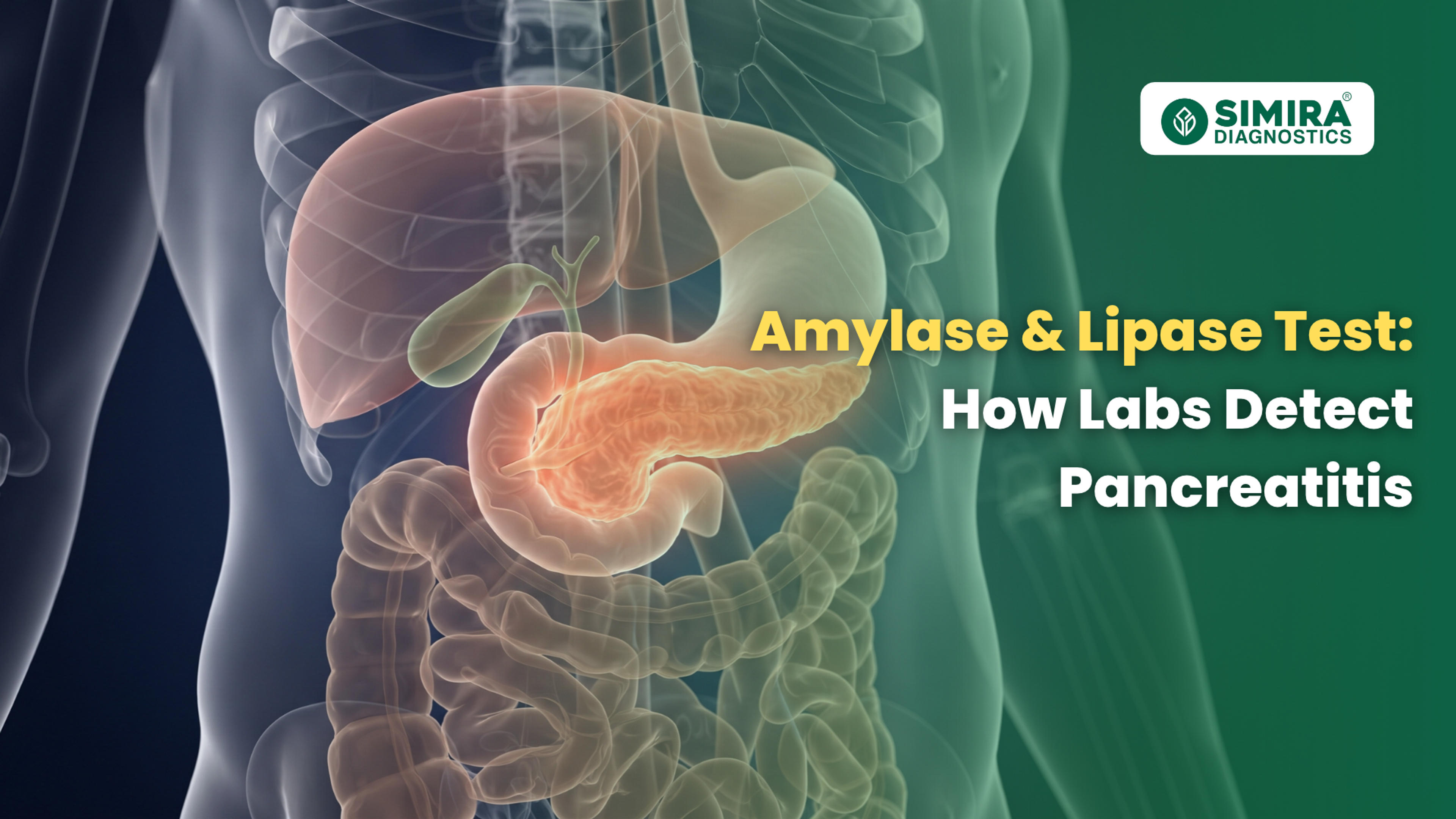
The pancreas is an important organ located behind the stomach. It produces digestive enzymes that help break down carbohydrates, fats and proteins. It also produces hormones, including insulin, which regulate blood glucose levels.
When the pancreas becomes inflamed, a condition known as pancreatitis develops. This inflammation may occur suddenly, known as acute pancreatitis, or persist over time, resulting in chronic pancreatitis.
The Amylase and Lipase Tests are commonly used blood investigations that help healthcare professionals evaluate pancreatic inflammation. They measure the levels of two digestive enzymes that may increase when pancreatic cells become damaged.
But how do these tests work? What do high amylase and lipase levels indicate? Can these tests confirm pancreatitis?
In this blog, we will explain the Amylase and Lipase Tests, their clinical significance, normal ranges and how laboratories help identify signs of pancreatitis.
1. What Is Pancreatitis?
Pancreatitis is inflammation of the pancreas that occurs when pancreatic tissue becomes injured. Digestive enzymes produced by the pancreas may become activated inappropriately, contributing to inflammation and tissue damage.
Pancreatitis is broadly classified into two types:
1.1 Acute Pancreatitis
Acute pancreatitis develops suddenly and may range from mild inflammation to a severe condition requiring hospitalisation.
Common causes include:
- Gallstones.
- Excessive alcohol consumption.
- Very high blood triglyceride levels.
- Certain medications.
- High calcium levels.
- Abdominal injury or certain medical procedures.
Common symptoms include severe upper abdominal pain, nausea, vomiting and abdominal tenderness.
1.2 Chronic Pancreatitis
Chronic pancreatitis is a long-term inflammatory condition that can cause permanent damage to the pancreas.
Over time, it may affect the organ's ability to produce digestive enzymes and regulate blood glucose.
Possible symptoms include:
- Recurrent or persistent upper abdominal pain.
- Unexplained weight loss.
- Digestive difficulties.
- Oily or fatty stools.
- Diabetes in some individuals.
Early evaluation helps healthcare professionals identify pancreatic abnormalities and determine appropriate management.
2. What Is the Amylase Test?
The Amylase Test is a blood investigation that measures the level of amylase, a digestive enzyme produced mainly by the pancreas and salivary glands.
Amylase helps break down complex carbohydrates, particularly starch, into smaller sugar molecules that the body can digest.
When the pancreas becomes inflamed or injured, amylase may enter the bloodstream in increased amounts, resulting in elevated blood levels.
Why Is the Amylase Test Important?
The Serum Amylase Test may be recommended to:
- Help evaluate suspected acute pancreatitis.
- Investigate unexplained upper abdominal pain.
- Assess pancreatic inflammation alongside other clinical findings.
- Support the evaluation of certain salivary gland conditions.
- Investigate selected digestive or abdominal disorders.
Clinical significance: Elevated amylase levels may indicate pancreatic inflammation, but they can also occur in conditions unrelated to the pancreas. Therefore, the result must be interpreted alongside symptoms and other investigations.
3. What Is the Lipase Test?
The Lipase Test measures the amount of lipase, an enzyme produced mainly by the pancreas.
Lipase plays an essential role in digestion by breaking down dietary fats into fatty acids and glycerol, allowing the body to absorb and use them.
When pancreatic cells become inflamed or damaged, lipase may enter the bloodstream, causing its concentration to increase.
Why Is the Lipase Test Important?
The Serum Lipase Test is commonly used to:
- Help diagnose suspected acute pancreatitis.
- Evaluate unexplained upper abdominal pain.
- Investigate pancreatic inflammation.
- Support the assessment of pancreatic disorders.
- Provide additional information when interpreted with amylase and clinical findings.
Clinical significance: Lipase is generally preferred over amylase for diagnosing acute pancreatitis because it is more pancreas-specific and usually remains elevated for a longer period.
4. Amylase vs Lipase Test: What Is the Difference?
Both tests measure digestive enzymes associated with pancreatic function, but they have different roles.
| Feature | Amylase Test | Lipase Test |
| Enzyme measured | Amylase | Lipase |
| Main function | Breaks down carbohydrates | Breaks down fats |
| Main source | Pancreas and salivary glands | Mainly pancreas |
| Clinical use | Helps evaluate suspected pancreatitis | Commonly preferred for suspected acute pancreatitis |
| Specificity | Less specific to pancreatic inflammation | More specific to pancreatic inflammation |
| Duration of elevation | Usually returns to normal sooner | Generally remains elevated longer |
Which Is Better: Amylase or Lipase?
Lipase is generally preferred when acute pancreatitis is suspected because it is more specific to pancreatic injury and remains elevated for a longer period.
Amylase may also provide useful information, but it can increase in several non-pancreatic conditions.
Doctors may request one or both tests depending on the patient's symptoms, clinical history and laboratory protocol.
5. How Do Laboratories Detect Pancreatitis Using Amylase and Lipase Tests?
The Amylase and Lipase Tests are performed using a blood sample collected from a vein.
Laboratories use automated biochemical analysers to measure the concentration or activity of these enzymes in the blood.
The general testing process involves the following steps:
Step 1: Blood Sample Collection
A healthcare professional collects a blood sample, usually from a vein in the arm, using a sterile collection needle.
Step 2: Sample Processing
The blood sample is processed to obtain serum or plasma, depending on the laboratory's validated testing method.
Step 3: Enzyme Measurement
The sample is analysed using biochemical methods that measure amylase and lipase activity.
- Amylase testing commonly uses an enzymatic substrate-based method.
- Lipase testing commonly uses an enzymatic colorimetric or other validated analytical method.
Step 4: Result Generation
The analyser measures enzyme activity and generates numerical results, usually expressed in units per litre (U/L).
Step 5: Clinical Interpretation
The results are compared with the laboratory's reference intervals and interpreted alongside symptoms, examination findings and other investigations.
An elevated result may suggest pancreatic inflammation, but it does not establish the diagnosis on its own.
6. What Is the Normal Range of Amylase and Lipase?
The normal range of amylase and lipase can vary depending on the laboratory, analytical method and equipment used.
The following are illustrative reference intervals commonly encountered in laboratory reports:
| Test | Example Reference Range |
| Serum Amylase | Approximately 30–110 U/L |
| Serum Lipase | Approximately 13–60 U/L |
Important: These values are illustrative only. Always refer to the reference range provided in your laboratory report.
What Does High Amylase Mean?
High amylase levels indicate an increased amount of amylase in the bloodstream.
Possible causes include:
- Acute pancreatitis.
- Salivary gland inflammation, such as parotitis.
- Gallbladder or biliary tract conditions.
- Intestinal obstruction.
- Certain kidney disorders.
- Other abdominal conditions.
High amylase does not always indicate pancreatitis. Additional evaluation may be necessary to identify the underlying cause.
What Does High Lipase Mean?
High lipase levels may indicate pancreatic inflammation or injury.
Possible causes include:
- Acute pancreatitis.
- Pancreatic duct obstruction.
- Certain gallbladder-related conditions.
- Kidney impairment.
- Some gastrointestinal disorders.
- Certain medication-related effects.
A significant increase in lipase, particularly when accompanied by characteristic abdominal pain, may support the diagnosis of acute pancreatitis.
However, elevated lipase can also occur in conditions unrelated to pancreatitis.
7. What Amylase and Lipase Levels Indicate Pancreatitis?
Healthcare professionals commonly use a diagnostic approach based on three criteria.
Acute pancreatitis is generally diagnosed when at least two of the following three criteria are present:
- Characteristic abdominal pain: Acute upper abdominal pain, often severe and sometimes radiating towards the back.
- Elevated pancreatic enzymes: Serum amylase or lipase levels at least three times the upper limit of the laboratory's normal reference range.
- Imaging findings: Imaging studies showing features consistent with pancreatic inflammation.
This approach helps prevent diagnosis based solely on an abnormal blood test.
Important: Enzyme levels below three times the upper limit do not completely rule out pancreatitis. Similarly, levels above this threshold do not confirm it without considering the clinical picture.
8. How Do Amylase and Lipase Levels Change During Pancreatitis?
Amylase and lipase levels may increase at different times following the onset of acute pancreatic inflammation.
| Feature | Amylase | Lipase |
| Initial rise | Usually within 3–6 hours | Usually within 3–6 hours |
| Peak level | Often around 24–48 hours | Often around 24 hours |
| Duration of elevation | Commonly returns towards normal within 3–5 days | May remain elevated for approximately 8–14 days |
These timeframes are approximate and can vary depending on the individual, disease course and timing of sample collection.
Lipase may remain elevated longer than amylase, making it useful in patients who present several days after symptoms begin.
Note: The height of amylase or lipase levels does not reliably indicate the severity of pancreatitis. Once acute pancreatitis is diagnosed, repeated enzyme measurements are generally not useful for monitoring disease severity or recovery.
9. Other Tests That May Be Recommended Along With Amylase and Lipase
Although amylase and lipase help evaluate pancreatic inflammation, additional tests may be recommended to investigate its cause and assess the patient's overall condition.
9.1 Liver Function Test (LFT)
Liver Function Tests measure substances such as bilirubin and liver enzymes.
They may help identify possible biliary obstruction or gallstone-related causes of pancreatitis.
9.2 Complete Blood Count (CBC)
A CBC measures red blood cells, white blood cells, haemoglobin and platelets.
It helps assess blood cell abnormalities and may provide information about the body's inflammatory response.
9.3 Serum Triglycerides
Very high triglyceride levels can trigger acute pancreatitis.
A triglyceride test may be recommended, particularly when gallstones and alcohol are not identified as the likely cause.
9.4 Serum Calcium
High calcium levels can contribute to pancreatic inflammation in some individuals.
A Serum Calcium Test may be included when investigating the underlying cause.
9.5 Kidney Function Test (KFT)
Kidney Function Tests help evaluate kidney function and provide information about the body's fluid and waste-management status.
They may be useful during the assessment and monitoring of patients with acute pancreatitis.
9.6 Imaging Tests
Depending on the clinical findings, doctors may recommend imaging investigations such as:
- Abdominal Ultrasound: Helps identify gallstones and evaluate the biliary system.
- CT Scan: May be used when the diagnosis is uncertain or complications are suspected.
- MRI/MRCP: Helps assess the pancreas and pancreatic or bile ducts in selected cases.
Not every patient requires all these investigations. The choice depends on symptoms, blood test results and clinical assessment.
10. When Should You Get an Amylase and Lipase Test?
A healthcare professional may recommend Amylase and Lipase Tests when symptoms suggest pancreatic inflammation.
Common symptoms include:
- Severe or persistent upper abdominal pain.
- Pain that spreads towards the back.
- Nausea and vomiting.
- Abdominal tenderness or swelling.
- Fever associated with abdominal pain.
- Rapid heartbeat.
- Unexplained digestive discomfort accompanied by other concerning symptoms.
Seek urgent medical attention if you experience severe or persistent abdominal pain, particularly when accompanied by repeated vomiting, fever, faintness or difficulty breathing. Do not delay medical evaluation while arranging a laboratory test.
11. How to Prepare for an Amylase and Lipase Test
Preparation requirements may vary depending on the laboratory and whether additional blood investigations are being performed.
| Preparation | Details |
| Fasting | Usually not required for isolated Amylase and Lipase Tests, unless specifically instructed |
| Water intake | Normal water intake is generally acceptable |
| Medication | Inform your doctor about all medicines and supplements |
| Sample collection | A blood sample is generally collected from a vein |
| Additional tests | Fasting may be required if other tests are performed simultaneously |
For suspected acute pancreatitis, medical assessment should not be delayed just to complete fasting.
Always follow the instructions provided by your healthcare professional or diagnostic laboratory.
Conclusion
The Amylase and Lipase Tests are valuable blood investigations used to evaluate pancreatic inflammation and support the diagnosis of acute pancreatitis. Amylase helps assess changes in carbohydrate-digesting enzyme activity, while lipase is generally preferred because of its greater pancreatic specificity and longer elevation period.
However, elevated enzyme levels alone do not confirm pancreatitis or determine its severity. Healthcare professionals interpret these results alongside symptoms, medical history, additional laboratory investigations and imaging when necessary.
If you experience severe upper abdominal pain, persistent vomiting or other concerning symptoms, seek prompt medical evaluation. Early diagnosis and appropriate medical care are important for managing pancreatic conditions.
Medical Disclaimer
This article is intended for general educational and awareness purposes only. It is not a substitute for medical diagnosis, treatment or professional medical advice. Health screening recommendations vary according to age, sex, symptoms, medical history, medications, family history and individual risk factors. Please consult a qualified healthcare professional before deciding which tests or screenings are appropriate. Do not start, stop or change medication based solely on information in this article.