
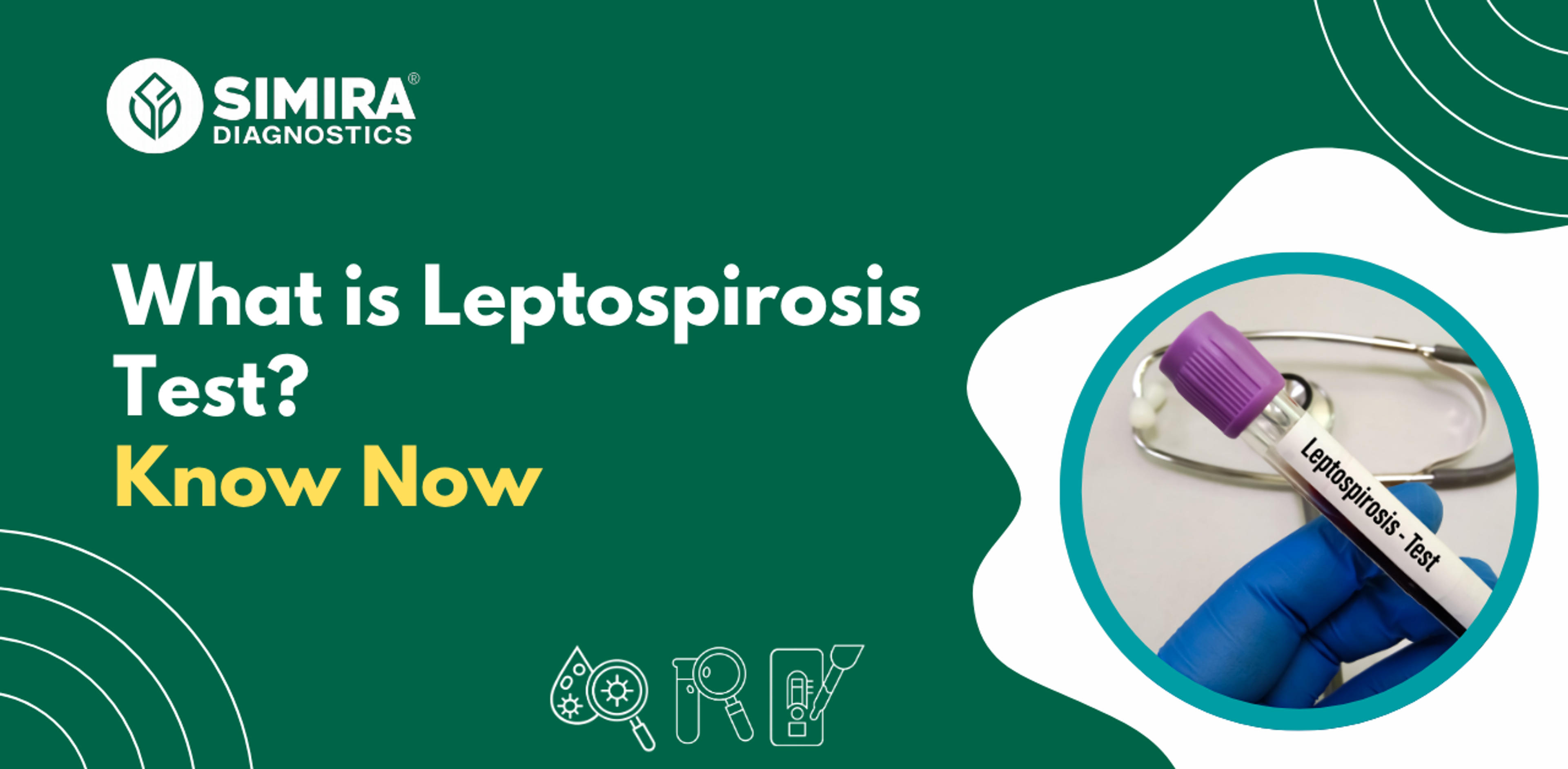
A leptospirosis test is a blood test that detects infection caused by Leptospira bacteria. It usually checks for Leptospira IgM and IgG antibodies and may include PCR or the MAT test. Doctors use it to confirm leptospirosis when a patient has fever, body ache, or jaundice after contact with contaminated water. This test looks for antibodies called Leptospira IgM and Leptospira IgG, as well as sometimes the genetic material of the bacteria itself, to determine if the infection is caused by Leptospira.
If you have a high fever, body aches, or yellowing of the eyes after coming into contact with floodwater or animals, a leptospirosis blood test can help your doctor identify the infection early, when treatment is most effective.
This guide explains what the test is, the types available, the cost of the test in India, the symptoms, causes, and how to find a leptospirosis test near you.Let’s go through it in simple terms.
What Is Leptospirosis?
Leptospirosis is a bacterial disease that spreads from animals to humans (a zoonotic disease) and is caused by spiral-shaped bacteria called Leptospira. Animals like rats, dogs, cattle, and pigs carry these bacteria and release them in their urine, which can contaminate water and soil-especially during floods.
Leptospirosis is a serious global health issue, especially in tropical areas such as South-East Asia, where India is located:
• Approximately 1.03 million cases occur worldwide each year, resulting in around 58,900 deaths, according to a WHO-backed global review.
• It causes about 2.9 million disability-adjusted life years (DALYs) lost annually, making it one of the leading zoonotic diseases.
• About 73% of cases happen in tropical countries between the Tropics of Cancer and Capricorn, where heavy rainfall and flooding are common.
Because early symptoms of leptospirosis can resemble those of dengue, malaria, and typhoid, it is often misdiagnosed. That is why a specific leptospirosis test is important.
Why and When Do You Need a Leptospirosis Test?
Your doctor may recommend a leptospirosis test if you are experiencing symptoms and have had a likely exposure.
You should consider getting tested if you:
• Developed a sudden high fever with chills after the monsoon, flooding, or contact with stagnant water.
• Experienced muscle pain, especially in the calves, red eyes, or jaundice along with a fever.
• Work in high-risk occupations such as farming, sewer or drainage work, animal handling, veterinary care, or fishing.
• Participated in freshwater activities, such as swimming, rafting, or trekking through wet terrain.
Timing is important.
IgM antibodies usually become detectable 1-2 weeks after symptoms start and reach their peak around 2-4 weeks. IgG antibodies appear later.If you test too early, an antibody test might miss the infection, which is when a PCR test becomes more valuable, especially in the first 7-10 days of illness.
Symptoms of Leptospirosis
Leptospirosis symptoms usually appear 5 to 14 days after exposure, and they can range from mild, flu-like symptoms to severe, life-threatening illnesses.
While many infections are mild, severe cases (called Weil's disease) can be fatal without quick treatment.
1. Mild / Common Symptoms
• High fever and chills
• Severe headache
• Muscle pain, especially in the calves and lower back
• Red or bloodshot eyes (conjunctival suffusion)
• Nausea, vomiting, or diarrhoea
2. Severe Symptoms
• Jaundice (yellowing of the skin and eyes)
• Reduced urine output or kidney failure
• Difficulty breathing or coughing up blood (pulmonary haemorrhage)
• Bleeding and severe abdominal pain
Important: If you have a high fever along with jaundice, difficulty breathing, or reduced urine output, treat it as a medical emergency.
For more information on how to monitor your liver and kidney health, refer to our guides on the liver function test (LFT) and kidney function test (KFT).
Causes of Leptospirosis
Leptospirosis is caused when Leptospira bacteria enter the body through cuts, broken skin, or the eyes, nose, and mouth.
The major causes and risk factors include:
• Contaminated water and soil - especially floodwater carrying animal urine, which is the most common way of getting infected.
• Infected animals - rodents, especially rats, are the main reservoirs of the bacteria, but dogs, cattle, pigs, and other animals also carry and spread it.
• Occupational exposure - farmers, sewer workers, miners, veterinarians, and abattoir workers are at higher risk.
• Recreational water contact - swimming, kayaking, or fishing in freshwater lakes and rivers.
• Poor sanitation and flooding - urban slums and areas affected by monsoons often see sudden spikes in cases.
Types of Leptospirosis Tests
There is no single standard test for leptospirosis. The type of test recommended depends on how long you have been unwell.
Here are the main types:
1. Leptospira IgM Antibody Test
The Leptospira IgM test is the most commonly ordered and used first-line test.
IgM antibodies are the body’s early immune response, and they are detectable about 1-2 weeks after symptoms start.A positive IgM in an acute blood sample is considered as presumptive evidence of recent or active infection.Studies show that IgM ELISA tests have a sensitivity of around 96-97%, making them a reliable early marker.
2. Leptospira IgG Antibody Test
The Leptospira IgG test detects antibodies that appear later in the illness and can remain in the body for months or even years.
A positive IgG usually suggests past infection or a later stage of illness.IgM and IgG tests are often ordered together as a Leptospira antibody panel to provide a more complete picture.
3. Leptospirosis Blood Test (ELISA & Rapid Tests)
This term refers to the various antibody blood test methods used for leptospirosis.
It includes ELISA, which is performed in a lab and is highly accurate, and rapid lateral-flow tests, which provide results in about 15 minutes.Rapid tests are convenient for use in clinics and areas with limited resources.
4. Microscopic Agglutination Test (MAT)
The MAT is the gold-standard confirmatory test. A single titre of ≥800, or a four-fold rise between paired samples taken 2-6 weeks apart, confirms leptospirosis. Because it needs live bacterial cultures and specialised reference labs, MAT is used mainly for confirmation and surveillance rather than quick bedside decisions.
5. PCR Test
PCR detects Leptospira DNA directly and shines in the first 7-10 days of illness - before antibodies appear. It can identify cases that antibody tests miss early on, which is why doctors increasingly pair PCR with serology for acute diagnosis.
Leptospirosis Test Price in Simira Diagnostics
| Test | Price | Report Time |
| Leptospira IgM by Card | ₹ 1300 | 5 hours |
| Leptospira IgG by Card | ₹ 1300 | 5 hours |
How to Find a Leptospirosis Test Near Me
Searching for a leptospirosis test near me? Here's the simplest path:
1. Book online or call - choose an NABL-accredited diagnostic lab and select the Leptospira IgM or IgG & IgM panel.
2. Pick home collection - a trained phlebotomist draws a small blood sample (about 3 ml) at your home.
3. No fasting needed - there's no special preparation, though follow any instructions from your doctor.
4. Get your report - most labs share digital reports within 24-48 hours.
5. Review with a doctor - never self-interpret; your physician will combine results with your symptoms and history.
Prefer a nearby centre? Use our test booking page or explore the full range of blood tests and health checkups we offer.
How to Understand Your Leptospirosis Test Results
• IgM Positive - suggests a recent or active infection; your doctor may start treatment.
• IgG Positive - usually indicates past exposure or a later infection stage.
• Both Negative (tested early) - may need a repeat test after a few days or a PCR, since antibodies take time to rise.
• MAT confirmed - a high titre or four-fold rise confirms the diagnosis.
Always discuss results with a qualified doctor. Reference ranges differ between labs, and results must be read alongside your symptoms, exposure history, and other tests such as a complete blood count (CBC).
Conclusion
A leptospirosis test is your fastest route from worrying symptoms to a clear answer. Because leptospirosis spreads through contaminated water and looks like other monsoon fevers, a targeted Leptospira IgM or IgG blood test - backed by PCR or MAT when needed - lets doctors confirm the infection and treat it early, when outcomes are best.
If you've had fever, calf pain, or jaundice after exposure to flood water or animals, don't wait. Book your leptospirosis test online with a free home sample collection, or visit our home page to explore full health checkups. Early testing saves lives.