

Puberty to Menopause: Understanding Every Stage of a Woman’s Reproductive Health
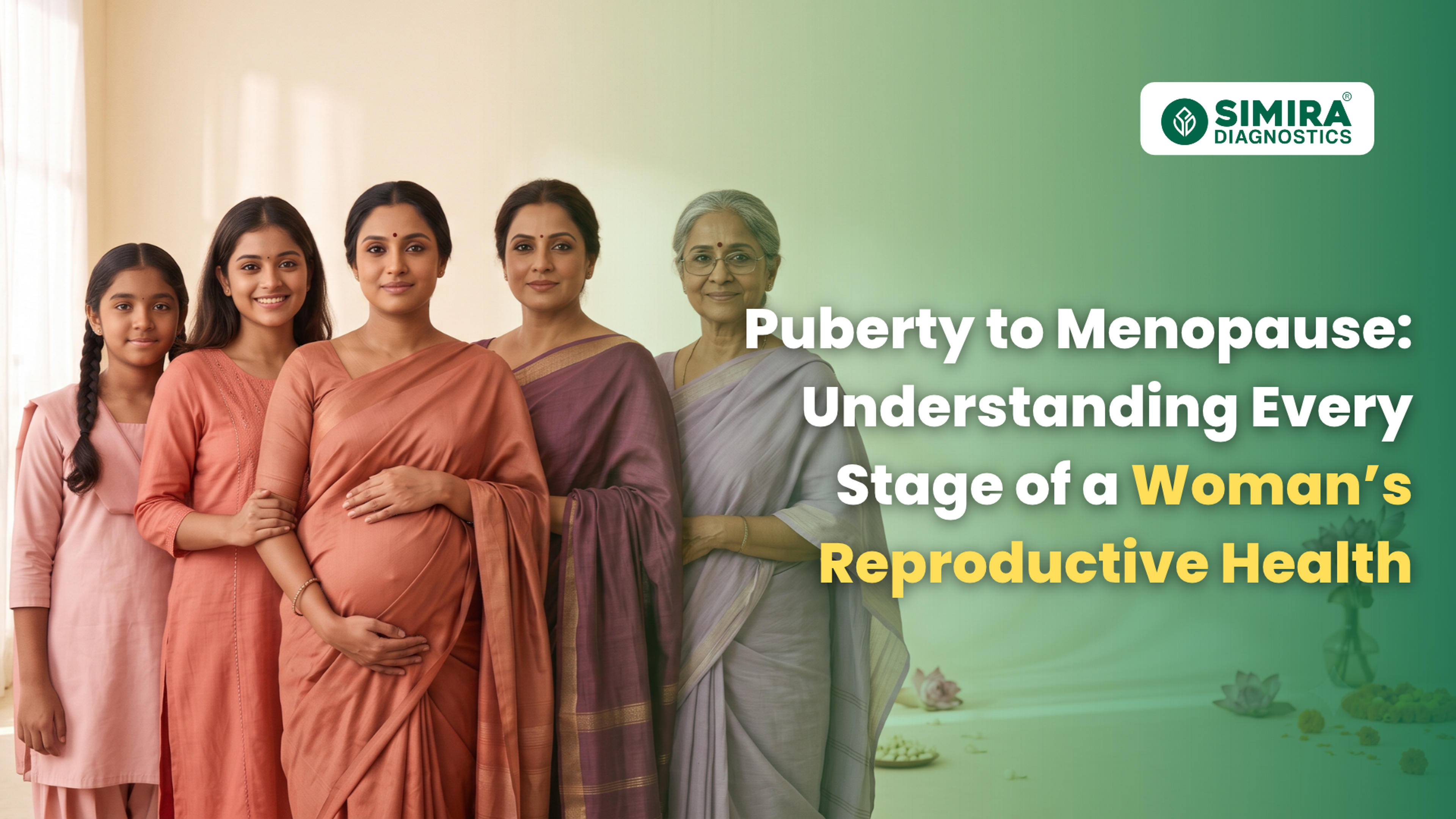
A woman’s body undergoes several natural changes throughout her life, from the first signs of puberty to the transition into menopause. Understanding these changes is essential for maintaining hormonal balance, reproductive health, and overall well-being.
The journey from puberty to menopause involves changes in hormones, menstrual cycles, fertility, and physical and emotional health. Knowing what to expect at each stage can help women recognize normal changes, identify potential health concerns, and seek timely medical advice.
In this guide, we explore the different stages of a woman’s reproductive life, common hormonal changes, important health screenings, and when to consult a healthcare professional.
1. Puberty: The Beginning of Reproductive Development
Puberty is the stage when a girl's body begins developing into an adult body capable of reproduction. It usually begins between the ages of 8 and 13, although the timing varies from person to person.
During puberty, the brain signals the ovaries to produce hormones such as estrogen and progesterone. These hormones support physical development and the beginning of the menstrual cycle.
Common changes during puberty
- Breast development and changes in body shape
- Growth of pubic and underarm hair
- Increased sweating and changes in skin texture
- Vaginal discharge as hormonal activity increases
- The first menstrual period, known as menarche
- Emotional changes and mood fluctuations
How to maintain health during puberty
A balanced diet, adequate sleep, regular physical activity, and good menstrual hygiene are important during this stage. Young girls should also receive age-appropriate education about menstruation and reproductive health.
When to seek medical advice: Consult a healthcare professional if puberty begins before age 8, if there is no breast development by age 13, or if menstruation has not started by age 15.
2. Adolescence: Understanding Menstrual Health
Adolescence is an important period of physical, emotional, and hormonal development. During the first few years after the first period, menstrual cycles may be irregular while the reproductive system matures.
A typical menstrual cycle is approximately 21–35 days in adults, although adolescent cycles can vary more widely, particularly in the early years after menarche.
Common menstrual health concerns
- Irregular periods
- Painful menstrual cramps
- Heavy menstrual bleeding
- Acne and oily skin
- Premenstrual syndrome (PMS)
- Mood changes and fatigue
Occasionally, these symptoms may indicate an underlying condition such as polycystic ovary syndrome (PCOS), thyroid dysfunction, or anemia associated with heavy menstrual bleeding.
Recommended health practices
Track menstrual dates, bleeding patterns, and symptoms. Eat iron-rich foods, stay physically active, and seek medical advice for persistent or severe symptoms.
A healthcare professional may recommend blood tests, including a complete blood count (CBC), thyroid function tests, or other investigations depending on the symptoms. Not every adolescent needs hormonal testing or an ultrasound.
3. Reproductive Years: Hormones, Fertility, and Women's Health
The reproductive years generally begin in adolescence and continue until the transition to menopause. During this period, menstrual cycles often become more predictable, although pregnancy, breastfeeding, stress, changes in weight, and certain medical conditions can affect them.
Estrogen and progesterone help regulate the menstrual cycle and support reproductive functions. Hormonal changes can also influence bone health, skin, mood, and sleep.
Important aspects of reproductive health
Menstrual cycle health: Regular tracking helps identify changes in cycle length, bleeding, and associated symptoms.
Fertility and pregnancy planning: Understanding ovulation and reproductive health can help women make informed decisions about pregnancy and contraception.
PCOS awareness: PCOS may cause irregular periods, acne, excess facial or body hair, and difficulties with ovulation. Early assessment can help manage symptoms and reduce the risk of associated metabolic problems.
Thyroid health: Thyroid disorders may affect menstrual regularity, fertility, energy levels, and weight.
Cervical health: Cervical cancer screening should be discussed according to age, previous screening history, local guidelines, and individual risk factors.
Women's health tests during the reproductive years
Depending on age, symptoms, and personal and family medical history, a doctor may recommend:
- Complete blood count (CBC) for suspected anemia
- Thyroid function tests when clinically indicated
- Blood glucose testing when diabetes risk or PCOS-related concerns warrant it
- Pelvic ultrasound for selected menstrual or pelvic symptoms
- Cervical cancer screening at the recommended age and interval
Routine testing should be personalized. A comprehensive health checkup does not necessarily require every available blood test or hormone panel.
4. Perimenopause: The Transition Before Menopause
Perimenopause is the transitional stage leading up to menopause. It commonly begins during the 40s, although it can start earlier or later. During this phase, ovarian hormone levels fluctuate, and menstrual cycles may become less predictable.
Perimenopause can last several years. Pregnancy may still be possible during this stage.
Common symptoms of perimenopause
- Irregular or changing menstrual cycles
- Hot flashes and night sweats
- Difficulty sleeping
- Mood changes, anxiety, or irritability
- Vaginal dryness or discomfort during sex
- Changes in sexual desire
- Difficulty concentrating or perceived memory changes
These symptoms vary considerably. Not every woman experiences all of them.
How to manage perimenopause symptoms
Maintaining a balanced diet, exercising regularly, limiting smoking and excessive alcohol consumption, and following good sleep habits can support overall health.
For bothersome symptoms, a healthcare professional can discuss appropriate treatment options, including hormonal and non-hormonal therapies where suitable.
Important: Heavy bleeding, bleeding between periods, bleeding after sex, or unusually prolonged bleeding should be assessed by a healthcare professional rather than automatically attributed to perimenopause.
5. Menopause: A New Stage of Life
Menopause is a natural biological milestone that marks the end of menstrual periods. It is generally confirmed after 12 consecutive months without a menstrual period, provided there is no other explanation for the absence of periods.
Natural menopause most commonly occurs between ages 45 and 55, with the average age around 51 in many populations.
As ovarian estrogen production declines, women may experience changes affecting temperature regulation, vaginal and urinary health, bone density, and cardiovascular risk.
Common symptoms of menopause
- Hot flashes and night sweats
- Sleep disturbances
- Vaginal dryness
- Discomfort during sexual activity
- Urinary symptoms
- Changes in mood
- Reduced bone density over time
Some women experience few symptoms, while others may find them disruptive to daily life.
Important health considerations after menopause
Bone health: Lower estrogen levels contribute to bone loss. Adequate calcium, vitamin D, weight-bearing exercise, and an assessment of osteoporosis risk are important.
Heart health: Blood pressure, cholesterol, blood glucose, physical activity, and other cardiovascular risk factors deserve attention as women age.
Breast and cervical health: Continue age- and risk-appropriate screening according to medical advice and applicable guidelines.
Vaginal and urinary health: Persistent dryness, pain, or urinary symptoms can often be treated. Women do not need to simply tolerate these symptoms.
Postmenopausal bleeding: Any vaginal bleeding after menopause should be evaluated promptly by a healthcare professional.
6. Essential Health Checkups for Women at Different Life Stages
Preventive healthcare can help identify selected health concerns early. The right tests depend on a woman's age, symptoms, medical history, family history, and risk factors.
| Life stage | Health priorities | Possible assessments |
| Puberty | Growth and menstrual development | Clinical assessment when concerns arise |
| Adolescence | Menstrual health and anemia risk | CBC or other tests if indicated |
| Reproductive years | Metabolic, reproductive, and cervical health | Blood glucose, thyroid tests, cervical screening, as appropriate |
| Perimenopause | Menstrual changes and symptom management | Clinical assessment; targeted tests when needed |
| Postmenopause | Bone, cardiovascular, and cancer prevention | Blood pressure, lipid profile, glucose testing, bone density assessment, and age-appropriate screening |
A healthcare professional may recommend additional investigations based on symptoms. For example, thyroid testing may be appropriate for certain menstrual changes, while hormone testing is not routinely required to diagnose typical menopause in otherwise healthy women over 45.
7. When Should You Consult a Doctor?
Although hormonal and menstrual changes are a normal part of life, certain symptoms should not be ignored.
Seek medical advice if you experience:
- Periods that are consistently very heavy or prolonged
- Severe menstrual pain that affects everyday activities
- Persistent irregular periods or missed periods without a clear explanation
- Unexplained fatigue, dizziness, or breathlessness
- New or severe menopausal symptoms affecting quality of life
- Bleeding after menopause
- Persistent pelvic pain or unusual vaginal discharge
Early evaluation can help identify the cause and guide appropriate treatment.
Conclusion: Prioritize Women's Health at Every Age
From puberty to menopause, every stage of a woman's life brings unique physical and hormonal changes. Understanding these changes can help women make informed decisions about menstrual health, fertility, preventive screening, and long-term well-being.
Regular health checkups, awareness of warning signs, a healthy lifestyle, and timely medical advice can make a meaningful difference throughout a woman's life.
Take charge of your health at every stage. Speak with a qualified healthcare professional about the checkups and diagnostic tests appropriate for your age, symptoms, and medical history.
Watch Video
Watch this related video to learn more about this topic.
Frequently Asked Questions
Quick answers to common health queries related to this topic.
Reader Engagement
Join the conversation and share your thoughts on this article.
No comments yet. Be the first to share your thoughts!
Ready for a health checkup?
Book your diagnostic test today at the comfort of your home with Simira Diagnostics.
Browse All Tests