Introduction
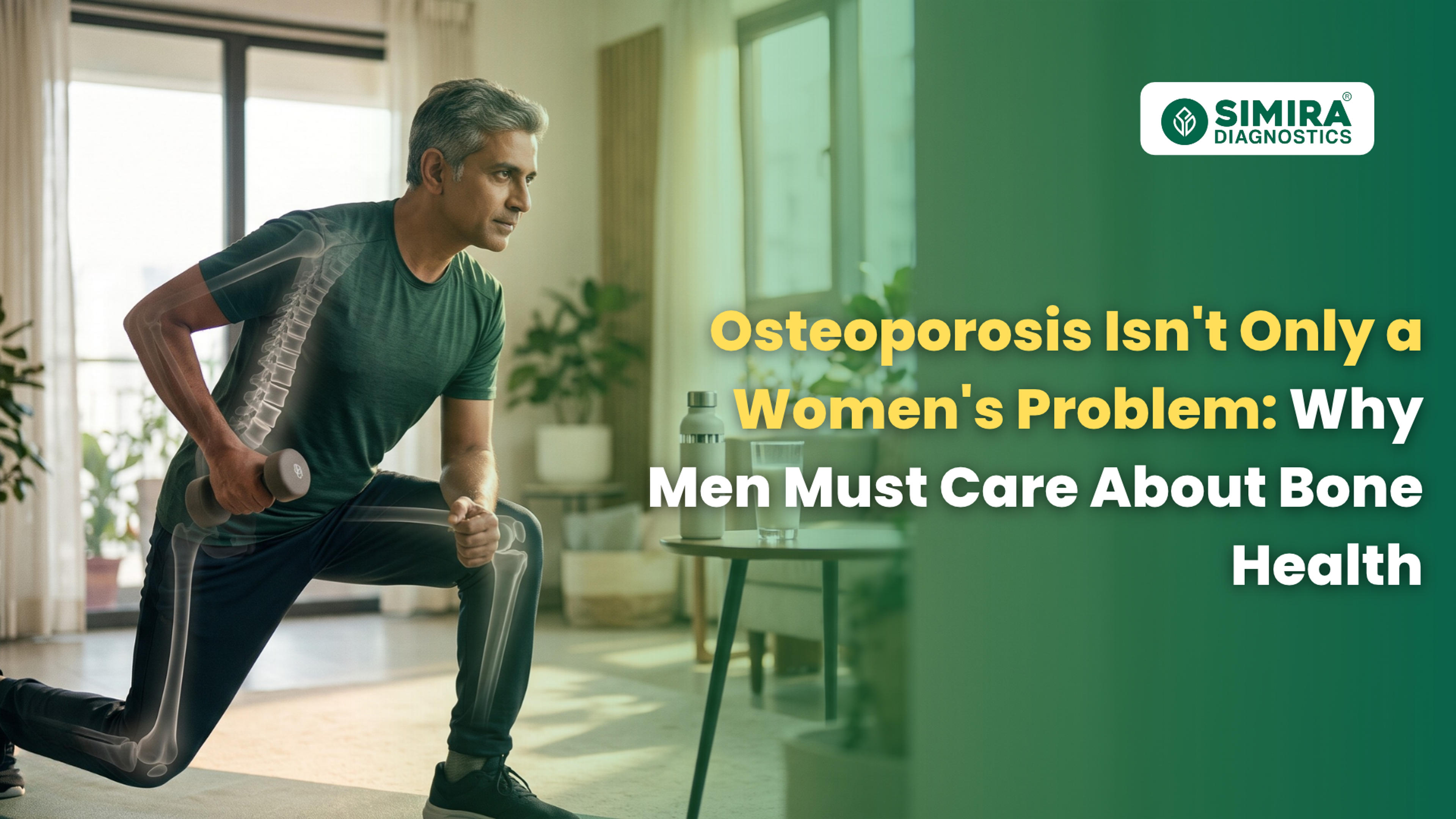
When people hear the word osteoporosis, they often associate it with women after menopause. However, osteoporosis in men is also a significant health concern. Men can develop weak, fragile bones as they age, increasing their risk of fractures, reduced mobility, and long-term complications.
Osteoporosis is a condition in which bones become less dense and more susceptible to breaking. It often develops silently, without noticeable symptoms, until a fracture occurs. A minor fall or even an everyday movement may cause a fracture in someone with significantly weakened bones.
Understanding the early signs, risk factors, and available diagnostic tests can help men and women take better care of their bone health.
In this blog, we explore the causes of osteoporosis, why men are at risk, how a DEXA bone density test helps assess bone health, and practical steps to support stronger bones as you age.
What Is Osteoporosis?
Osteoporosis is a bone disease characterised by reduced bone strength and an increased risk of fractures. Bone is living tissue that continuously breaks down and rebuilds. When bone loss exceeds bone formation over time, bones can become weaker.
Healthy bones provide structural support, protect vital organs, and help us move. When bone strength decreases, fractures become more likely, particularly in the hip, spine, and wrist.
Why is osteoporosis called a silent disease?
Osteoporosis usually does not cause obvious symptoms in its early stages. A person may have reduced bone density without experiencing pain or difficulty with everyday activities.
The condition may only be discovered after a fracture or during a bone density assessment.
Possible signs of advanced bone loss or related fractures include:
- A fracture following a minor fall or relatively low-impact injury
- Persistent back pain, particularly if a spinal fracture is present
- Loss of height over time
- A stooped or hunched posture
- Reduced mobility following a fracture
These symptoms do not automatically mean someone has osteoporosis. A healthcare professional can assess the cause and recommend appropriate investigations.
Why Isn't Osteoporosis Only a Women's Problem?
Women, particularly after menopause, have an increased risk of osteoporosis because the decline in oestrogen can accelerate bone loss. However, men also experience age-related bone loss and can develop osteoporosis, especially as testosterone levels and other aspects of bone metabolism change with age.
Men may be less likely to discuss bone health or undergo bone density testing because osteoporosis is commonly perceived as a women's health issue.
This can lead to delayed diagnosis, particularly when other risk factors are overlooked.
Why are men at risk of osteoporosis?
Several factors can contribute to osteoporosis in men:
1. Ageing: Bone density and bone strength can decline with age.
2. Low testosterone: Testosterone plays a role in maintaining bone health. Persistently low levels may contribute to bone loss.
3. Nutritional deficiencies: Inadequate calcium intake, vitamin D deficiency, or poor overall nutrition can affect bone health.
4. Sedentary lifestyle: Limited weight-bearing and muscle-strengthening activity can contribute to weaker bones and muscles.
5. Smoking and excessive alcohol consumption: These habits are associated with poorer bone health and a higher risk of fractures.
6. Certain medications: Long-term use of glucocorticoids, such as some steroid medicines, can increase osteoporosis risk.
7. Underlying medical conditions: Some hormonal disorders, digestive conditions that affect nutrient absorption, and chronic kidney or other illnesses can contribute to bone loss.
8. Previous fractures: A fracture following a low-impact injury may indicate an increased risk of future fractures and should be medically evaluated.
Osteoporosis can affect adults of any sex. Identifying individual risk factors is an important step towards prevention and early diagnosis.
Common Risk Factors for Osteoporosis in Men and Women
Although age and hormonal changes are important factors, osteoporosis can develop for several reasons.
You may have a higher risk if you:
- Are an older adult
- Have a family history of osteoporosis or hip fractures
- Have experienced a fracture after a minor fall
- Have low body weight or significant unintentional weight loss
- Have low calcium intake or vitamin D deficiency
- Smoke or regularly consume excessive amounts of alcohol
- Have limited physical activity
- Take long-term steroid medication
- Have conditions affecting hormone levels or nutrient absorption
Having one or more risk factors does not mean you definitely have osteoporosis. It means you may benefit from discussing your bone health with a healthcare professional.
DEXA Scan: The Key Test for Measuring Bone Density
If osteoporosis is suspected, your doctor may recommend a DEXA scan, also known as a dual-energy X-ray absorptiometry scan.
A DEXA scan is a specialised, low-dose X-ray examination that measures bone mineral density (BMD), commonly at the hip and spine. It helps assess bone strength and fracture risk.
What does a DEXA scan detect?
A DEXA scan can help identify:
- Normal bone density: Bone density is within the expected range.
- Osteopenia: Bone density is lower than normal but does not meet the diagnostic threshold for osteoporosis.
- Osteoporosis: Bone density is sufficiently reduced to meet established diagnostic criteria.
A DEXA scan may also be used to monitor bone density over time when repeat testing is clinically appropriate.
What is a T-score?
A T-score compares your bone mineral density with the average bone density of a healthy young adult reference population.
For postmenopausal women and men aged 50 years or older, commonly used diagnostic thresholds are:
| T-score | Interpretation |
| −1.0 or above | Normal bone density |
| Between −1.0 and −2.5 | Low bone density (osteopenia) |
| −2.5 or below | Osteoporosis |
These thresholds must be interpreted in the appropriate clinical context. Different criteria are used for some groups, including younger adults and premenopausal women. A fracture or other clinical risk factors may also influence diagnosis and treatment decisions.
Is a DEXA scan painful?
No. A DEXA scan is generally painless and non-invasive. You lie on a scanning table while the machine measures bone density. The examination usually takes only a short time, depending on the facility and the areas being assessed.
Tell your healthcare provider if you are pregnant or may be pregnant, and follow the diagnostic centre's instructions before your appointment.
Which Other Tests May Be Recommended for Bone Health?
A DEXA scan measures bone mineral density, but it does not explain every possible cause of weak bones. Your doctor may recommend blood tests or other investigations based on your symptoms, medical history, and risk factors.
1. Vitamin D Test
Vitamin D helps the body absorb calcium and supports normal bone mineralisation. A 25-hydroxyvitamin D blood test is commonly used when evaluating suspected vitamin D deficiency.
Low vitamin D levels can contribute to poor bone health, although the need for testing depends on individual circumstances.
2. Calcium Blood Test
Calcium is essential for bones, muscles, and nerve function. A blood calcium test measures the amount of calcium circulating in the blood.
However, blood calcium can remain within the normal range even when bone density is low. Therefore, a normal calcium result does not rule out osteoporosis.
3. Thyroid Function Tests
Excess thyroid hormone can contribute to bone loss. Thyroid function testing may be recommended when a thyroid disorder is suspected or when investigating possible secondary causes of osteoporosis.
4. Testosterone Test in Men
Low testosterone can contribute to reduced bone density in men. If symptoms or medical history suggest testosterone deficiency, a doctor may recommend testosterone testing.
Results should be interpreted alongside symptoms and appropriate clinical assessment. A single test does not always establish a diagnosis.
5. Additional Investigations
Depending on the situation, a healthcare professional may recommend tests such as a complete blood count, kidney function tests, parathyroid hormone testing, or other investigations to look for conditions contributing to bone loss.
Important: Not everyone needs all these tests. The appropriate investigations depend on the individual's risk factors and clinical findings.
How Can You Prevent Osteoporosis and Maintain Strong Bones?
Although you cannot change every risk factor, several lifestyle measures can help support bone health throughout life.
1. Eat a Balanced, Calcium-Rich Diet
Calcium supports bone structure and maintenance. Include suitable sources such as:
- Milk, curd, and cheese
- Calcium-fortified foods
- Ragi
- Sesame seeds
- Certain leafy green vegetables
- Calcium-set tofu, where available
Your calcium requirements depend on your age, diet, and medical circumstances. If you have kidney disease or another condition affecting calcium balance, seek personalised dietary advice.
2. Maintain Adequate Vitamin D
Vitamin D supports calcium absorption. It can be obtained through suitable dietary sources, fortified foods, and sunlight exposure, although the amount produced through sunlight varies.
Your doctor may recommend vitamin D supplementation if it is appropriate. Avoid taking high doses without medical guidance.
3. Exercise Regularly
Weight-bearing and muscle-strengthening exercises can help maintain bone and muscle health.
Examples include:
- Walking
- Stair climbing, if safe for you
- Resistance exercises
- Balance exercises to help reduce fall risk
People with established osteoporosis or previous fractures should seek professional guidance before starting high-impact exercise or activities involving spinal bending and twisting.
4. Avoid Smoking and Limit Alcohol
Smoking and excessive alcohol consumption are associated with poorer bone health. Avoid tobacco and discuss alcohol use with your healthcare professional if it may affect your health.
5. Reduce the Risk of Falls
Falls can lead to serious fractures in people with weak bones.
Help make your home safer by improving lighting, removing loose rugs and clutter, using supportive footwear, and installing handrails where necessary.
6. Discuss Your Risk Factors Early
If you are an older adult, have a history of fractures, take long-term steroid medication, or have a condition associated with bone loss, discuss whether bone density testing is appropriate.
Early evaluation can help identify people who may benefit from lifestyle changes, further investigations, or treatment.
Who Should Consider a Bone Density Test?
A DEXA scan is not automatically required for every adult. Screening recommendations depend on age, sex, clinical risk factors, and local medical guidance.
A healthcare professional may recommend bone density testing for:
- Postmenopausal women with relevant risk factors and women in age groups for which screening is recommended
- Older men, particularly when additional osteoporosis risk factors are present
- Adults who have experienced a fracture following a minor fall or low-impact injury
- People taking long-term glucocorticoid medication
- Individuals with medical conditions or treatments associated with bone loss
- People undergoing assessment or monitoring for osteoporosis
If you are unsure whether you need a bone density test, consult your doctor. They can assess your risk and determine whether DEXA scanning or other investigations are appropriate.
Conclusion: Make Bone Health a Priority at Every Age
Osteoporosis is not only a women's health issue. Men can also experience significant bone loss, and the condition may remain undetected until a fracture occurs.
Maintaining a balanced diet, staying physically active, avoiding smoking, reducing fall risks, and discussing relevant risk factors with your doctor can help support long-term bone health.
A DEXA bone density scan, along with selected blood tests when appropriate, can help healthcare professionals assess bone health and investigate possible causes of bone loss.
At Simira Diagnostics, you can enquire about available bone density and laboratory testing services to understand your diagnostic options.
Don't wait for a fracture to start caring for your bones. Make bone health part of your regular healthcare routine.
Medical Disclaimer
Disclaimer: This article is intended for general educational and awareness purposes only. It is not a substitute for medical diagnosis, treatment or professional medical advice. Health screening recommendations vary according to age, sex, symptoms, medical history, medications, family history and individual risk factors. Please consult a qualified healthcare professional before deciding which tests or screenings are appropriate. Do not start, stop or change medication based solely on information in this article.