When a couple struggles to conceive, the woman is often the first person asked to undergo medical tests and investigations. However, infertility is not exclusively a women's health concern. Male factors contribute to approximately half of infertility cases, either independently or alongside female reproductive factors.
Male fertility depends on several factors, including sperm production, sperm count, movement, shape, hormonal balance, and the ability to deliver sperm during ejaculation. Problems affecting any of these areas may reduce the chances of natural conception.
Despite this, male infertility is often overlooked because of social stigma, embarrassment, and a lack of awareness. Understanding the male factor is an important step towards making fertility evaluation more balanced, informed, and effective.
In this blog, we explore the common causes of male infertility, warning signs, essential fertility tests, and why men should be equally involved in reproductive health assessments.
What Is Male Infertility?
Male infertility refers to a condition in which a man's reproductive health affects his ability to contribute to conception.
It may occur because of:
- Low sperm count or complete absence of sperm.
- Poor sperm motility (movement).
- Abnormal sperm morphology (shape and structure).
- Problems with sperm production or transport.
- Hormonal imbalances affecting reproductive function.
- Erectile or ejaculatory difficulties.
According to the World Health Organization (WHO), infertility is generally defined as the inability to achieve pregnancy after 12 months or more of regular, unprotected sexual intercourse.
Infertility may be caused by male factors, female factors, a combination of both, or unexplained reasons. Therefore, both partners should be evaluated rather than placing the responsibility on one person.
Why Is Male Infertility Often Overlooked?
In many families, infertility is still incorrectly considered a women's issue. This misconception can delay diagnosis and increase emotional stress for both partners.
Some common reasons male fertility concerns go unaddressed include:
- Social stigma: Men may feel uncomfortable discussing reproductive health.
- Lack of awareness: Many men do not know that sperm quality can affect conception.
- No noticeable symptoms: Male infertility may exist without pain or obvious physical changes.
- Delayed testing: Couples may initially focus only on female fertility investigations.
- Misconceptions about masculinity: Fertility problems are sometimes incorrectly associated with masculinity or sexual performance.
It is important to understand that fertility and masculinity are not the same thing. A fertility concern is a medical issue, not a measure of a person's identity or worth.
Common Causes of Male Infertility
Male infertility can develop due to medical conditions, hormonal problems, lifestyle factors, or structural abnormalities.
1. Low Sperm Count
Sperm count refers to the number of sperm present in a given volume of semen.
A lower-than-expected sperm concentration may reduce the probability of sperm reaching and fertilising an egg. In some cases, sperm may be completely absent from the semen, a condition known as azoospermia.
Possible causes include hormonal disorders, testicular conditions, genetic factors, infections, and certain medical treatments.
2. Poor Sperm Motility
Sperm motility refers to the ability of sperm to move effectively.
For natural conception, sperm need to travel through the female reproductive tract to reach the egg. Reduced progressive motility can make this process more difficult.
Poor motility is also known as asthenozoospermia.
3. Abnormal Sperm Morphology
Morphology describes the size and shape of sperm.
A sperm cell has three main parts:
- Head: Contains the genetic material.
- Midpiece: Provides energy for movement.
- Tail: Helps the sperm swim.
Abnormalities in sperm shape may affect sperm function. However, morphology should not be interpreted in isolation because no single semen parameter can reliably predict a man's fertility.
4. Varicocele
A varicocele is an enlargement of veins within the scrotum, similar to varicose veins.
In some men, varicoceles may affect testicular temperature and sperm production, potentially contributing to abnormal semen parameters.
5. Hormonal Imbalances
Hormones such as follicle-stimulating hormone (FSH), luteinising hormone (LH), and testosterone play important roles in male reproductive function.
Imbalances involving the brain, pituitary gland, or testicles may interfere with sperm production.
6. Infections and Reproductive Tract Problems
Certain infections and inflammation involving the reproductive system may affect sperm quality or cause blockages in the reproductive tract.
Conditions affecting sperm transport can prevent sperm from being released normally during ejaculation.
7. Genetic and Medical Conditions
Some genetic conditions, previous testicular injuries, undescended testicles, cancer treatments, and other medical conditions can affect sperm production or transport.
A specialist may recommend additional investigations depending on the individual's medical history and semen analysis results.
Lifestyle Habits That May Affect Male Fertility
Reproductive health is influenced by more than medical conditions. Certain lifestyle habits and environmental exposures may also affect sperm quality.
| Lifestyle factor | Possible effect on male fertility |
| Smoking | Associated with poorer sperm parameters |
| Excessive alcohol consumption | May affect reproductive hormones and sperm health |
| Obesity | Can be associated with hormonal changes and reduced sperm quality |
| Anabolic steroid use | Can suppress natural testosterone production and sperm production |
| Poor sleep | May be associated with hormonal disturbances |
| Excessive heat exposure | May affect sperm production in some circumstances |
| Environmental pollutants | Certain exposures may negatively affect reproductive health |
A note about testosterone supplements: Men trying to conceive should not take testosterone therapy or anabolic steroids without discussing fertility implications with a qualified doctor. External testosterone can suppress sperm production, sometimes significantly.
Healthy lifestyle changes may support reproductive health, but they cannot replace medical evaluation when infertility is suspected.
Important Tests to Assess Male Fertility
Male fertility cannot be accurately assessed through physical appearance or sexual performance alone. Diagnostic investigations help evaluate sperm health and identify possible underlying conditions.
1. Semen Analysis – The First Step in Male Fertility Evaluation
Semen analysis is one of the most important initial investigations for assessing male reproductive health.
It evaluates different characteristics of semen and sperm, helping identify abnormalities that may affect conception.
What does a semen analysis measure?
| Parameter | What it evaluates |
| Semen volume | Amount of semen produced |
| Sperm concentration | Number of sperm per millilitre |
| Total sperm count | Total number of sperm in the sample |
| Sperm motility | Ability of sperm to move |
| Sperm morphology | Shape and structure of sperm |
| Vitality | Percentage of living sperm |
| Other observations | Additional characteristics, such as pH and round cells, when assessed |
A semen analysis can help identify conditions such as:
- Oligozoospermia – low sperm concentration.
- Azoospermia – absence of sperm in the ejaculate.
- Asthenozoospermia – reduced sperm motility.
- Teratozoospermia – a higher proportion of abnormally shaped sperm.
Important: An abnormal semen analysis does not automatically mean permanent infertility. Sperm parameters can vary between samples, so a doctor may recommend repeat testing, particularly when the first result is abnormal.
2. Sperm DNA Fragmentation Test
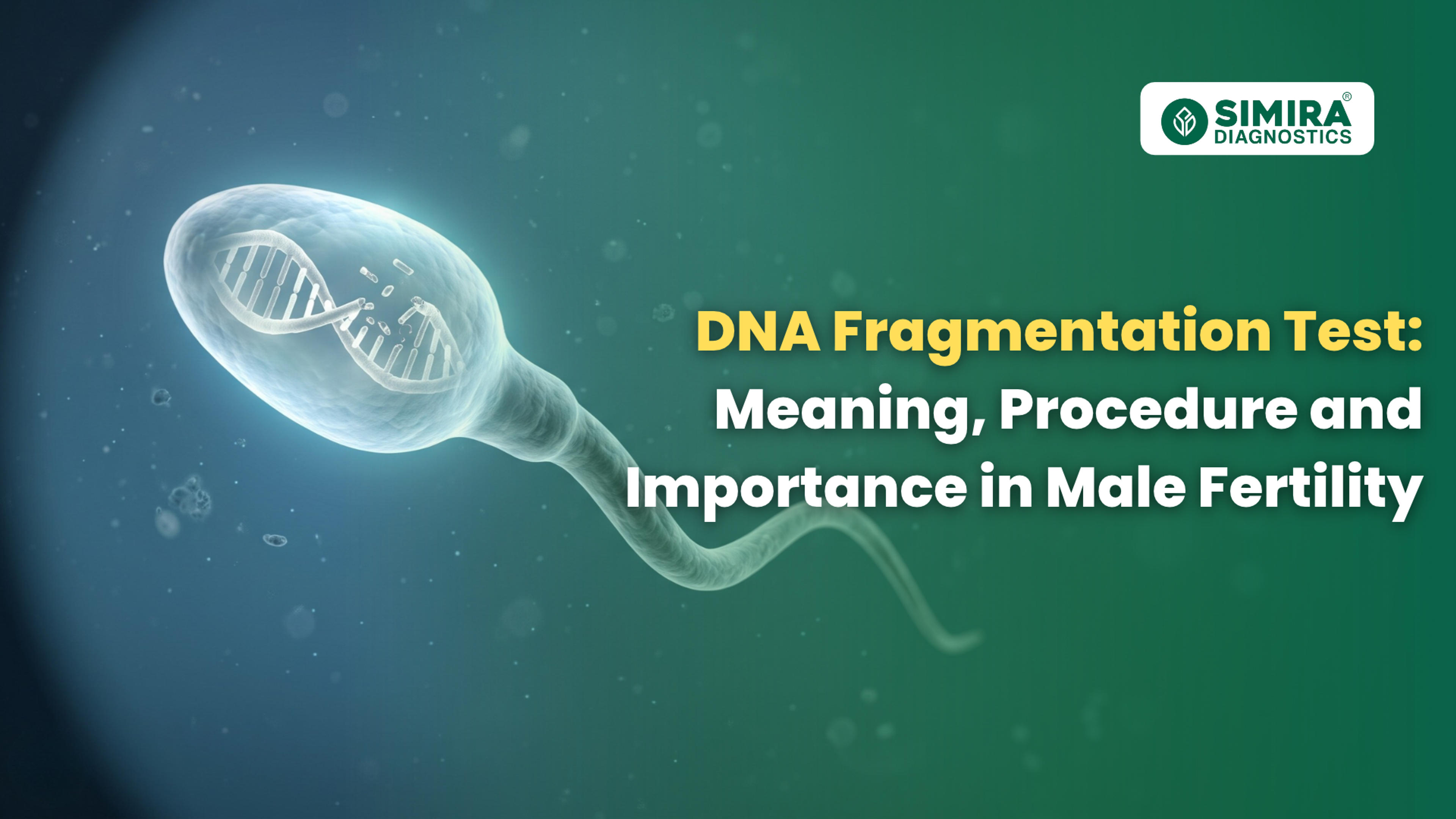
A sperm DNA fragmentation test evaluates the extent of damage or breaks in the DNA carried by sperm cells.
While routine semen analysis assesses sperm count, movement, and shape, it does not directly measure sperm DNA integrity.
Higher levels of sperm DNA fragmentation have been associated with certain fertility difficulties and adverse reproductive outcomes. However, this test is not recommended as a routine first-line investigation for every man.
A fertility specialist may consider it in selected situations, such as:
- Recurrent pregnancy loss.
- Unexplained infertility in certain clinical circumstances.
- Repeated unsuccessful assisted reproductive treatment.
- Specific concerns identified during male fertility evaluation.
The interpretation depends on the testing method and clinical context. A DNA fragmentation result alone cannot confirm whether a couple will or will not achieve pregnancy.
3. Hormonal Blood Tests
Hormonal investigations may be recommended when a doctor suspects an endocrine problem affecting sperm production.
Commonly assessed hormones include:
- FSH – helps regulate sperm production.
- LH – stimulates testosterone production in the testicles.
- Total testosterone – supports male reproductive function.
- Prolactin – may be checked when a hormonal disorder is suspected.
- Other hormones – depending on the patient's symptoms and medical history.
Not every man requires all these tests. A specialist determines which investigations are appropriate.
4. Additional Investigations
Depending on the initial findings, a specialist may recommend:
- Physical examination of the reproductive system.
- Scrotal ultrasound when clinically indicated.
- Genetic testing in selected cases.
- Tests for reproductive tract infections when suspected.
- Additional blood investigations.
The objective is to identify potentially treatable causes and determine the most suitable fertility management plan.
When Should Men Consider a Fertility Test?
Men should not wait until fertility difficulties become emotionally stressful before discussing reproductive health.
A medical evaluation may be appropriate when:
- A couple has been unable to conceive after 12 months of regular, unprotected intercourse.
- The female partner is 35 or older and pregnancy has not occurred after six months of trying.
- There is a known history of testicular injury, surgery, or undescended testicles.
- There is a history of chemotherapy or radiation treatment.
- The man has experienced reproductive tract infections or conditions affecting the testicles.
- There are concerns about ejaculation, sexual function, or hormonal health.
- A couple has experienced recurrent pregnancy loss or repeated unsuccessful fertility treatment.
Earlier evaluation may be appropriate when either partner has known fertility-related medical conditions or other significant risk factors.
Can Male Infertility Be Treated?
In many cases, male infertility can be managed, depending on its underlying cause.
Treatment options may include:
1. Lifestyle modifications
Improving nutrition, maintaining a healthy weight, stopping smoking, limiting alcohol, and avoiding anabolic steroids may support reproductive health.
2. Medical treatment
Certain infections, hormonal conditions, and other identifiable medical problems may be treated with appropriate medication.
3. Surgical treatment
Some structural conditions, including selected varicoceles or reproductive tract obstructions, may be treated surgically when clinically appropriate.
4. Assisted reproductive techniques
Depending on the fertility assessment, couples may be advised to consider:
- Intrauterine insemination (IUI).
- In vitro fertilisation (IVF).
- Intracytoplasmic sperm injection (ICSI).
The appropriate treatment depends on the cause of infertility, the health of both partners, and the advice of a fertility specialist.
Male Fertility Is a Shared Responsibility
Fertility evaluation should never be treated as the responsibility of only one partner.
Both partners should undergo appropriate assessment, ideally at the same time. This helps identify male, female, combined, or unexplained factors and supports a more informed treatment approach.
Open communication, timely testing, and professional guidance can reduce unnecessary delays and emotional pressure.
Remember: Male infertility is a medical condition, not a personal failure.
Take the First Step Towards Better Reproductive Health
Infertility is a shared health concern, and male reproductive health deserves the same attention as female reproductive health. Understanding sperm count, motility, morphology, and DNA integrity can help identify potential fertility concerns and guide further medical evaluation.
At Simira Diagnostics, you can enquire about semen analysis and sperm DNA fragmentation testing to understand the available male fertility investigations. Contact the team to confirm test availability, sample collection instructions, and appointment details.
Don't let stigma delay an important health conversation. Make male fertility testing a part of responsible reproductive healthcare.
Medical Disclaimer
Disclaimer: This article is intended for general educational and awareness purposes only. It is not a substitute for medical diagnosis, treatment or professional medical advice. Health screening recommendations vary according to age, sex, symptoms, medical history, medications, family history and individual risk factors. Please consult a qualified healthcare professional before deciding which tests or screenings are appropriate. Do not start, stop or change medication based solely on information in this article.