Blood tests are among the most common medical investigations used to assess overall health, detect medical conditions and monitor ongoing treatment. Whether you are getting a routine health checkup, a diabetes test, a thyroid profile, a lipid profile or a vitamin test, proper preparation can help ensure that your results are reliable.
One of the most common questions people ask before visiting a diagnostic laboratory is: Do I need to fast before a blood test?
The answer depends on the type of test prescribed. Some blood tests require fasting for a specific number of hours, while many others can be performed without fasting. Questions about drinking water, taking regular medicines and choosing the best time for sample collection are equally important.
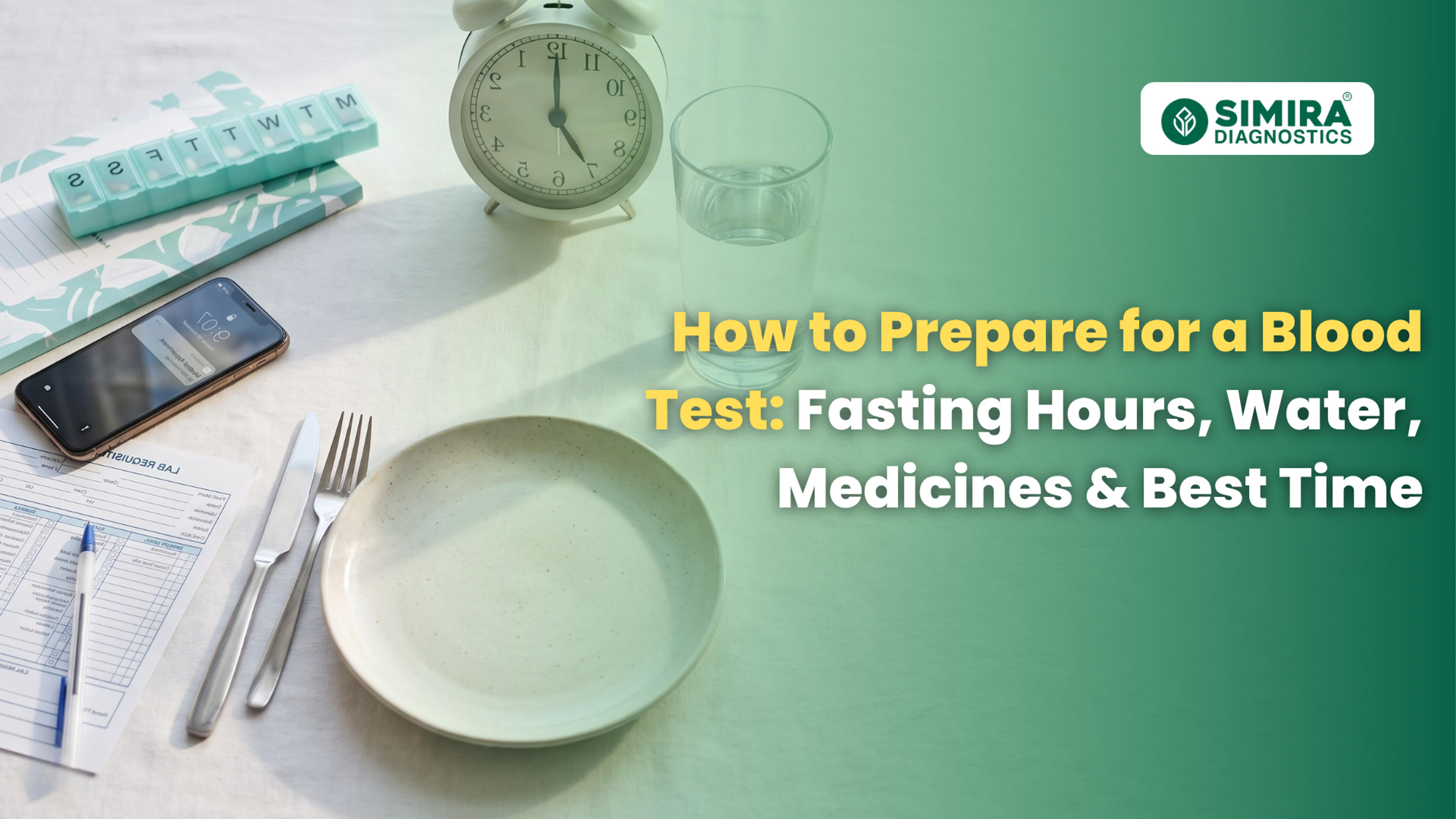
In this guide, we explain how to prepare for a blood test, how long you may need to fast, what you can drink, how medicines can affect results and when to schedule your appointment.
1. Do You Need to Fast Before a Blood Test?
Not every blood test requires fasting. Whether you need to avoid food depends on the specific investigation and your doctor's instructions.
Fasting means avoiding food and certain beverages for a specified period before sample collection. For tests that require fasting, plain water is generally allowed.
Food and drinks can temporarily change the levels of certain substances in your bloodstream, including glucose and triglycerides. Fasting helps reduce the influence of recent meals when measuring these parameters.
Which Blood Tests May Require Fasting?
Some tests may require fasting depending on the clinical purpose and the laboratory's protocol.
| Blood test | Is fasting required? |
| Fasting blood glucose | Yes, usually at least 8 hours |
| Lipid profile | Not always; fasting may be requested in certain situations |
| Triglycerides | Fasting may be requested, depending on the clinical requirement |
| Oral glucose tolerance test (OGTT) | Yes, as per the prescribed protocol |
| HbA1c test | No |
| Complete Blood Count (CBC) | Usually no |
| Thyroid profile (T3, T4, TSH) | Usually no |
| Vitamin D test | Usually no |
| Vitamin B12 test | Usually no, but follow specific laboratory instructions |
| Liver Function Test (LFT) | Depends on the tests ordered and laboratory instructions |
| Kidney Function Test (KFT) | Depends on the tests ordered and laboratory instructions |
Important: Never assume that every blood test requires fasting. Confirm the preparation requirements for your specific tests with your doctor or diagnostic laboratory.
2. How Many Hours Should You Fast Before a Blood Test?
When fasting is required, the duration is usually between 8 and 12 hours, depending on the test.
For example:
- Fasting blood glucose: commonly at least 8 hours.
- Some lipid or triglyceride investigations: your doctor may request an overnight fast.
- Other specialised tests: fasting requirements may differ.
Always follow the exact instructions provided by your doctor or laboratory rather than choosing a fasting duration yourself.
Example of an Overnight Fasting Schedule
Suppose your laboratory appointment is at 8:00 AM and you have been instructed to fast for 10–12 hours.
| Time | What to do |
| 8:00 PM | Finish dinner |
| 8:00 PM–8:00 AM | Avoid food and non-permitted beverages |
| Overnight | Drink plain water if needed |
| 8:00 AM | Visit the laboratory for sample collection |
| After collection | Have your meal and resume your normal routine, subject to medical instructions |
Avoid extending your fasting period unnecessarily. Longer fasting is not automatically better and may be unsuitable for some people.
3. Can You Drink Water Before a Blood Test?
Yes. Plain water is generally allowed during a fasting blood test.
In fact, staying normally hydrated can make blood collection easier because dehydration may make veins less prominent.
However, remember that not all beverages are suitable during a fasting period.
What Can You Drink Before a Fasting Blood Test?
| Beverage | Allowed during fasting? |
| Plain water | Yes, generally allowed |
| Tea | No |
| Coffee, including black coffee | No |
| Milk | No |
| Fruit juice | No |
| Soft drinks | No |
| Coconut water | No |
| Lemon water | Avoid unless specifically permitted |
| Energy drinks | No |
The safest option during a prescribed fasting period is plain water only.
Do not add sugar, honey, lemon or other ingredients to your water.
4. Should You Take Your Medicines Before a Blood Test?
This is an important question, particularly for people who take medicines regularly for diabetes, thyroid disorders, blood pressure, cholesterol or other health conditions.
Some medicines can influence blood test results, while others may need to be taken at their usual time.
Never stop or change prescribed medication on your own just because you have a blood test scheduled.
What Should You Do About Common Medicines?
| Medicine or supplement | What to consider |
| Diabetes medicines and insulin | Fasting may affect your usual medication and meal schedule. Ask your doctor for specific instructions to prevent low blood sugar. |
| Thyroid medicines | The timing of the dose in relation to thyroid testing may matter. Follow your doctor's instructions. |
| Blood pressure medicines | Ask whether to take your usual morning dose with water. |
| Cholesterol medicines | Do not stop treatment unless your doctor advises it. |
| Vitamins and supplements | Inform your doctor and laboratory about everything you take. |
| Biotin supplements | Biotin can interfere with certain laboratory tests, including some thyroid and hormone assays. Ask whether a temporary pause is needed and for how long. |
Special Precautions for People With Diabetes
People with diabetes should be particularly careful when fasting before a blood test.
Skipping meals while taking insulin or certain glucose-lowering medicines can increase the risk of hypoglycaemia (low blood sugar).
Before scheduling a fasting test:
- Ask your doctor whether your diabetes medication needs any adjustment.
- Confirm when to take insulin or tablets.
- Follow the advised testing and meal schedule.
- Carry a quick source of sugar if your healthcare professional recommends it.
If you experience sweating, shakiness, dizziness, confusion or other symptoms of low blood sugar, prioritise your safety and seek appropriate medical advice rather than continuing to fast.
5. What Is the Best Time to Get a Blood Test?
For many routine blood tests, there is no single mandatory time of day. However, morning appointments are often preferred for tests that require overnight fasting or have time-sensitive hormone measurements.
There are several reasons to consider a morning appointment:
- Easier fasting: Most of the fasting period can take place overnight while you sleep.
- Consistent timing: Morning appointments can help maintain similar collection times when repeat testing is needed.
- Hormone measurements: Certain hormones, including cortisol and testosterone, can vary throughout the day. Their collection time may be important for interpretation.
- Convenience: You can usually complete the test before breakfast and return to your regular routine.
Does Every Blood Test Need to Be Done in the Morning?
No. The ideal collection time depends on the test.
| Test | Timing consideration |
| Fasting blood glucose | Usually collected after the prescribed fasting period, often in the morning |
| Lipid profile | Follow the doctor's fasting and timing instructions |
| HbA1c | Can generally be collected at any time |
| Thyroid profile | Usually flexible, but consistent timing may help when monitoring treatment |
| Testosterone | Often measured in the morning, particularly during initial evaluation |
| Cortisol | Collection time is important; follow the prescribed schedule |
| CBC | Usually flexible unless specific clinical instructions apply |
| Vitamin D | Generally no specific time of day is required |
If your doctor has requested multiple tests, ask whether they should all be collected during the same visit or whether certain tests need separate timing.
6. What Should You Avoid Before a Blood Test?
Apart from fasting when required, a few everyday habits may influence certain test results.
Avoid These Activities When Instructed
1. Heavy meals before fasting tests
Avoid eating after the fasting period begins. A meal can influence blood glucose and triglyceride measurements.
2. Alcohol consumption
Alcohol may affect certain laboratory parameters, including triglycerides and liver-related measurements. Follow any alcohol restrictions provided for your specific test.
3. Strenuous exercise
Intense physical activity shortly before sample collection may temporarily affect certain blood measurements, including muscle enzymes and other parameters. Follow your laboratory's instructions.
4. Smoking
Smoking can influence some physiological and laboratory measurements. Avoid smoking during a prescribed fasting period.
5. Excessive caffeine
Tea, coffee and caffeinated beverages are not permitted during a water-only fasting period.
6. Unnecessary supplements
Do not take additional vitamins or supplements immediately before testing without checking whether they could interfere with the investigation.
7. What If You Accidentally Eat or Drink Before a Fasting Blood Test?
If you accidentally eat something, drink tea or coffee, or consume another non-permitted beverage during your fasting period, inform the laboratory before sample collection.
Depending on the test and the amount consumed, the laboratory or doctor may:
- Proceed with the test if fasting is not essential.
- Interpret the results with the information about your recent food intake.
- Recommend rescheduling the fasting test.
Do not hide the mistake or assume that the result will be accurate. Providing correct information helps your healthcare professional interpret the report appropriately.
8. Tips for a Smooth Blood Test Experience
Preparing for a blood test does not have to be complicated. A few simple steps can make the process more comfortable.
Before Your Appointment
- Confirm which tests have been prescribed.
- Check whether fasting is required.
- Understand the exact fasting duration.
- Ask about your regular medicines and supplements.
- Schedule a morning appointment if overnight fasting is needed.
- Drink adequate plain water unless you have been advised to restrict fluids.
During Your Appointment
- Inform the laboratory professional if you have not followed the preparation instructions.
- Mention any recent illness or medication changes that may be relevant.
- Tell the professional if you have previously experienced dizziness or fainting during blood collection.
After Your Blood Test
- Eat a meal if you have been fasting.
- Drink water and resume your normal routine.
- If you feel dizzy, sit or lie down and inform the healthcare professional.
- Follow your doctor's instructions regarding medicines and further investigations.
Conclusion
Preparing properly for a blood test helps ensure that laboratory results are meaningful and easier for healthcare professionals to interpret. The most important step is to understand the preparation requirements for the specific tests prescribed to you.
Remember that not every blood test requires fasting. Plain water is generally permitted during fasting, prescribed medicines should not be stopped without medical advice, and morning appointments are useful when fasting or time-sensitive testing is required.
A little preparation before your appointment can help make your blood test experience smoother and support better healthcare decisions.
Medical Disclaimer: This article is intended for general educational and awareness purposes only. It is not a substitute for medical diagnosis, treatment or professional medical advice. Health screening recommendations vary according to age, sex, symptoms, medical history, medications, family history and individual risk factors. Please consult a qualified healthcare professional before deciding which tests or screenings are appropriate. Do not start, stop or change medication based solely on information in this article.