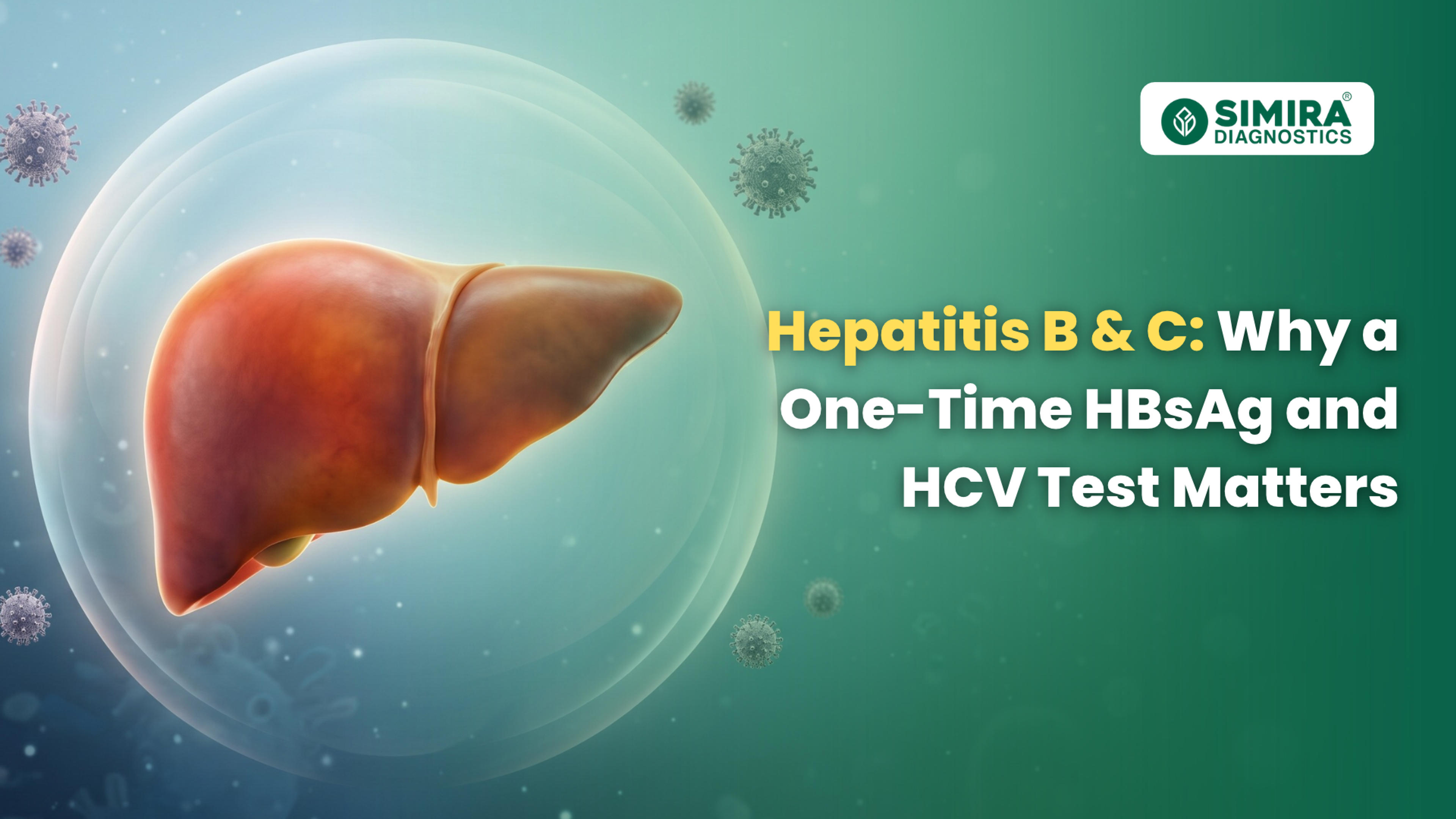
Hepatitis B and Hepatitis C are viral infections that affect the liver and can sometimes remain undetected for years. Many people experience few or no symptoms during the early stages, even when liver damage may gradually develop. This makes timely testing an important step in protecting your long-term health.
A one-time Hepatitis B surface antigen (HBsAg) test and Hepatitis C (HCV) screening test can help identify infections that might otherwise go unnoticed. Screening is particularly important for people with potential exposure risks, those who have never been tested, and individuals advised to undergo testing by a healthcare professional.
Understanding these tests, knowing who may benefit from screening, and acting on the results can help you make informed decisions about your liver health.
What Are Hepatitis B and Hepatitis C?
Hepatitis means inflammation of the liver. Although several viruses can cause hepatitis, Hepatitis B and Hepatitis C are two important infections because they can become chronic and increase the risk of serious liver complications.
Hepatitis B
Hepatitis B is caused by the Hepatitis B virus (HBV). It spreads through infected blood and certain body fluids, including during childbirth, through sexual contact, or by sharing contaminated needles or equipment.
The HBsAg test detects Hepatitis B surface antigen in the blood. A positive result usually indicates a current Hepatitis B infection and requires further medical evaluation. Additional tests may be needed to determine the stage of infection and guide treatment or monitoring.
A safe and effective vaccine is available to prevent Hepatitis B.
Hepatitis C
Hepatitis C is caused by the Hepatitis C virus (HCV) and is primarily transmitted through exposure to infected blood. Potential routes include sharing needles or injection equipment, inadequately sterilised medical or tattooing equipment, and certain historical blood exposures.
The HCV antibody test is commonly used for initial screening. It detects antibodies that indicate previous exposure to the virus. A reactive antibody result does not necessarily mean that the infection is still active; an HCV RNA test is generally needed to confirm current infection.
There is currently no widely available vaccine for Hepatitis C, but modern antiviral medicines can cure most cases.
Why Does a One-Time HBsAg and HCV Test Matter?
The main benefit of screening is that it can identify a possible infection before symptoms become noticeable. However, a one-time test is not a guarantee that a person will never develop hepatitis or that a recent exposure has been ruled out.
Here are five reasons these tests matter.
1. Hepatitis Can Be Present Without Symptoms
A person may feel healthy while carrying Hepatitis B or having an ongoing Hepatitis C infection. Symptoms such as fatigue, nausea, abdominal discomfort, dark urine, or yellowing of the skin and eyes may appear late—or may never be obvious.
Testing helps identify possible infections that symptoms alone cannot reliably detect.
2. Early Diagnosis Can Help Prevent Liver Complications
Untreated chronic Hepatitis B and Hepatitis C can lead to liver inflammation, fibrosis, cirrhosis, and an increased risk of liver cancer.
An early diagnosis allows a healthcare professional to assess liver health, recommend monitoring, and consider appropriate treatment. Not everyone with a positive screening result will develop complications, and management depends on the individual’s clinical findings.
3. Testing Helps Protect Others
Knowing your status can help you take appropriate precautions and discuss testing or vaccination with relevant family members and partners.
Hepatitis B vaccination can protect people who are not immune. Hepatitis B and C are not typically spread through casual contact, such as hugging, sharing meals, or sitting together.
4. It Can Be an Important Part of Preventive Healthcare
Many people undergo routine blood tests for general health but may never have been screened for viral hepatitis.
Depending on individual risk, local guidance, medical history, and previous testing, a healthcare professional may recommend HBsAg and HCV screening even when no symptoms are present.
5. Effective Medical Care Is Available
A positive result does not mean that complications are inevitable.
- Hepatitis B: Some people require regular monitoring, while others may benefit from antiviral treatment.
- Hepatitis C: Confirmed active infection can usually be treated with direct-acting antiviral medicines, which cure most patients.
The first step is identifying the infection and obtaining the appropriate follow-up assessment.
What is an HBsAg Test?
The Hepatitis B surface antigen test is a blood test used to screen for current Hepatitis B infection.
What does the HBsAg test detect?
It detects a protein associated with the Hepatitis B virus in the blood. A positive result generally suggests current infection, but the result alone cannot determine whether the infection is acute or chronic.
Who may need an HBsAg test?
A healthcare professional may recommend testing for people who:
- Have never been screened for Hepatitis B.
- Have a household or sexual contact with Hepatitis B.
- Have a history of possible exposure to infected blood.
- Are pregnant or planning pregnancy, as part of recommended antenatal screening.
- Have unexplained liver enzyme abnormalities or signs of liver disease.
- Are being assessed before certain medical treatments or procedures.
The appropriate screening approach can vary by clinical situation. A broader Hepatitis B panel may sometimes be recommended because HBsAg alone does not show whether someone is immune from vaccination or past infection.
What is an HCV Test?
An HCV screening test is a blood test used to check for evidence of Hepatitis C infection.
The initial test commonly measures Hepatitis C antibodies (anti-HCV). If the result is reactive, an HCV RNA test is generally used to determine whether the virus is currently present in the blood.
Who may benefit from HCV screening?
Testing may be recommended for people who:
- Have never been tested and are advised to undergo screening.
- Have received blood or blood products in circumstances associated with possible exposure.
- Have shared needles or injection equipment.
- Have undergone procedures involving potentially unsafe or inadequately sterilised equipment.
- Have unexplained liver abnormalities.
- Have other recognised risk factors identified by a healthcare professional.
A negative antibody result may not exclude a very recent infection. If exposure occurred recently, additional testing or repeat testing may be advised.
HBsAg vs HCV Test: What Is the Difference?
| Feature | HBsAg test | HCV screening test |
| Infection screened | Hepatitis B | Hepatitis C |
| Common screening marker | Hepatitis B surface antigen | Hepatitis C antibodies |
| What a reactive result may mean | Possible current HBV infection | Previous or current HCV exposure |
| Follow-up | Additional HBV blood tests and clinical assessment | HCV RNA test to check for current infection |
| Vaccine available | Yes | No widely available vaccine |
| Treatment | Monitoring and antiviral treatment when indicated | Antiviral treatment can cure most infections |
Both tests use a blood sample. Whether fasting is required depends on the laboratory's instructions and whether other tests are being performed at the same time.
Who Should Consider Hepatitis B and C Screening?
Screening recommendations depend on local public-health guidance, medical history, and personal exposure risks. You should discuss testing with a healthcare professional if you:
- Have never undergone Hepatitis B or C screening.
- Have a known exposure to infected blood or a person with viral hepatitis.
- Have abnormal liver function test results without a clear explanation.
- Are pregnant and require routine antenatal infection screening.
- Have a medical history or treatment plan that makes hepatitis screening necessary.
- Have ongoing exposure risks that may warrant repeat testing.
Important: One negative test does not rule out an infection acquired after the test or during the early window period. People with continuing exposure risks may need repeat screening.
What Happens If Your Test Result Is Positive?
A reactive screening result is a reason for follow-up, not a reason to panic. Screening tests do not always provide a complete diagnosis.
If your HBsAg result is positive
Your doctor may recommend additional blood tests, such as other Hepatitis B markers, HBV DNA testing, liver function tests, and an assessment of liver health. These help establish the nature of the infection and determine whether monitoring or treatment is appropriate.
If your HCV antibody result is reactive
An HCV RNA test is generally recommended to check whether the virus is currently present. Antibodies can remain detectable even after an infection has cleared or been successfully treated.
If either result is negative
A negative result is reassuring for the period covered by the test, but it may not exclude a recent infection. Follow your clinician’s advice about repeat testing if there has been a recent exposure or ongoing risk.
Do not start or stop medication based solely on a screening report.
How Can You Reduce Your Risk of Hepatitis B and C?
Prevention and early detection work together to protect liver health.
- Get vaccinated against Hepatitis B if you are not immune and vaccination is recommended.
- Ensure injections, medical instruments, and tattooing or piercing equipment are sterile.
- Never share needles, syringes, razors, or other items that may be contaminated with blood.
- Use appropriate precautions to prevent blood exposure.
- Discuss screening and follow-up with a healthcare professional when exposure is possible.
- If diagnosed, follow medical advice and avoid donating blood until cleared under applicable guidance.
Hepatitis B and C are not spread through ordinary social contact. People living with these infections should be treated with dignity and without stigma.
Hepatitis B and Hepatitis C can go unnoticed for years, but appropriate screening can help identify infection and connect people with timely medical care. An HBsAg test and an HCV screening test may be valuable parts of preventive healthcare, particularly for people who have never been tested or have recognised risk factors.
At Simira Diagnostics, you can contact the team to enquire about Hepatitis B and C testing, sample collection, and appointment details. Discuss your screening needs with a qualified healthcare professional, especially if you have had a recent exposure or previously received an abnormal result.
Take an informed step towards protecting your liver health—ask about Hepatitis B and C screening today.
Medical Disclaimer
Disclaimer: This article is intended for general educational and awareness purposes only. It is not a substitute for medical diagnosis, treatment or professional medical advice. Health screening recommendations vary according to age, sex, symptoms, medical history, medications, family history and individual risk factors. Please consult a qualified healthcare professional before deciding which tests or screenings are appropriate. Do not start, stop or change medication based solely on information in this article.