Introduction
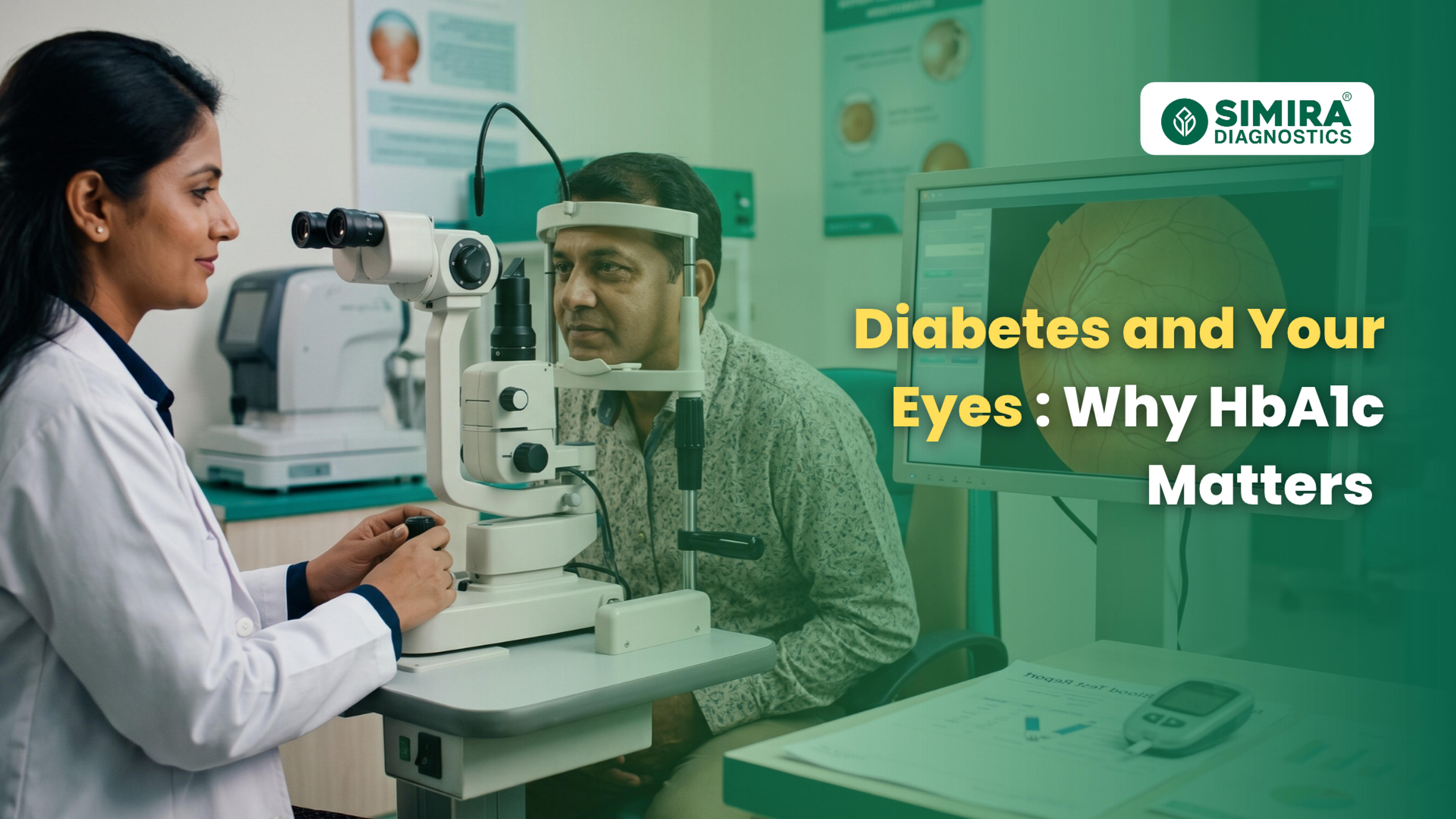
Your eyes can reveal more about your health than you might think. While diabetes is commonly associated with high blood sugar, it can also affect the tiny blood vessels that supply the retina, the light-sensitive tissue at the back of your eye. Over time, uncontrolled diabetes can increase the risk of diabetic retinopathy, cataracts, glaucoma, and vision loss.
Understanding the connection between diabetes and eye health, knowing why regular HbA1c testing matters, and scheduling preventive eye examinations can help protect your vision.
HbA1c, also known as glycated haemoglobin, is a blood test that reflects your average blood glucose levels over approximately the past two to three months. It helps you and your healthcare professional understand how well your diabetes is being managed.
However, managing blood sugar is only one part of protecting your eyesight. Regular diabetic eye examinations are equally important because diabetes-related eye damage can develop even when you do not notice any symptoms.
What Is HbA1c and Why Is It Important for People With Diabetes?
The HbA1c test measures the percentage of haemoglobin in your red blood cells that has glucose attached to it. Since red blood cells circulate for several months, this test provides a longer-term picture of blood sugar control than a single blood glucose reading.
Unlike a fasting blood sugar test, which measures glucose at one particular time, HbA1c helps assess blood sugar patterns over time.
How Does HbA1c Help Manage Diabetes?
An HbA1c blood test can help:
- Assess average blood glucose control over the previous two to three months.
- Monitor how well a diabetes management plan is working.
- Help healthcare professionals determine whether treatment adjustments may be needed.
- Identify people who may have diabetes or prediabetes when used for appropriate diagnostic screening.
- Support efforts to reduce the risk of long-term diabetes complications, including damage to the eyes, kidneys, and nerves.
For many non-pregnant adults with diabetes, an HbA1c target below 7% may be appropriate. However, the ideal target varies according to age, other medical conditions, treatment, and the risk of low blood sugar. Your doctor should determine the target that is right for you.
How Does Diabetes Affect Your Eyes?
Persistently elevated blood glucose can damage small blood vessels throughout the body, including those inside the eyes. Over time, these changes may affect the retina and other eye structures.
The most important diabetes-related eye conditions include the following.
1. Diabetic Retinopathy
Diabetic retinopathy occurs when high blood sugar damages the blood vessels in the retina. These vessels may swell, leak fluid, become blocked, or develop abnormal new blood vessels.
In its early stages, diabetic retinopathy may cause no noticeable symptoms. As the condition progresses, it can lead to blurred vision, dark spots, distorted vision, or severe vision loss.
Regular retinal examinations help identify changes before they begin to affect everyday vision.
2. Diabetic Macular Edema
The macula is the part of the retina responsible for sharp central vision, which you use for reading, recognizing faces, and seeing fine details.
Diabetes can cause fluid to accumulate in the macula, resulting in diabetic macular edema. This condition can make straight lines appear distorted or cause central vision to become blurred.
Early diagnosis and appropriate treatment can help protect vision.
3. Cataracts
A cataract occurs when the normally clear lens of the eye becomes cloudy. People with diabetes may develop cataracts earlier than people without diabetes.
Common symptoms include cloudy vision, glare, difficulty seeing at night, and frequent changes in spectacle prescriptions.
4. Glaucoma
Glaucoma damages the optic nerve, which carries visual information from the eye to the brain. Some forms of glaucoma develop gradually without obvious early symptoms.
People with diabetes have an increased risk of certain types of glaucoma, making appropriate eye examinations important.
What Is the Connection Between HbA1c and Diabetic Retinopathy?
The relationship between HbA1c and diabetic eye disease is important.
When blood glucose remains elevated over long periods, the small blood vessels in the retina can become damaged. Higher HbA1c levels may indicate poorer average blood sugar control and can be associated with a greater risk of developing or worsening diabetic retinopathy.
Maintaining blood glucose levels within an individualized target range can help reduce the risk of diabetes-related complications.
However, HbA1c alone cannot diagnose diabetic retinopathy or determine whether your retina is healthy. A person may have eye damage without noticeable vision changes, so blood testing must not replace a comprehensive diabetic eye examination.
The best approach combines regular diabetes monitoring, appropriate treatment, blood pressure and cholesterol management, and timely eye screening.
HbA1c Test: Understanding Your Results
The following ranges are commonly used when testing for diabetes in non-pregnant adults. Diagnosis should be confirmed and interpreted by a qualified healthcare professional, taking symptoms and individual circumstances into account.
| HbA1c Result | General Interpretation |
| Below 5.7% | Normal range |
| 5.7%–6.4% | Prediabetes range |
| 6.5% or higher | Diabetes range; confirmation is generally needed unless clinical circumstances establish the diagnosis |
These are diagnostic ranges, not universal treatment targets for people who already have diabetes.
Certain conditions, including some forms of anaemia, haemoglobin variants, pregnancy, and altered red blood cell turnover, can affect HbA1c accuracy. Your doctor may recommend an alternative or additional test if necessary.
One of the biggest challenges with diabetic eye disease is that symptoms may not appear until the condition has progressed.
Watch for the following symptoms:
- Blurred or fluctuating vision.
- Dark spots, floaters, or streaks in your field of vision.
- Difficulty reading or focusing on objects.
- Distorted lines or shapes.
- Dark or empty areas in your vision.
- Difficulty seeing clearly at night.
- Sudden changes in eyesight.
Important: Sudden vision loss, a sudden increase in floaters, flashes of light, or a curtain-like shadow over your vision requires urgent medical assessment. Do not wait for your next HbA1c test or routine eye appointment.
How Often Should People With Diabetes Get an Eye Examination?
People with diabetes should follow a personalized eye-screening schedule recommended by their doctor or eye specialist.
A comprehensive dilated eye examination allows an eye care professional to examine the retina and look for early signs of diabetic eye disease. Retinal photography may also be used in suitable screening programmes, with referral for further assessment when necessary.
For many people with diabetes, examinations are recommended at least annually, although the appropriate interval can vary depending on the type of diabetes, previous findings, blood sugar control, and the advice of the treating specialist.
People with type 2 diabetes generally need an eye examination at the time of diagnosis because the condition may have been present for some time before it was detected. People with type 1 diabetes are generally advised to begin screening within five years of diagnosis, subject to their clinician's guidance.
Even if your HbA1c is within your target range and your eyesight seems normal, do not skip your recommended eye examination.
How Can You Protect Your Eyes If You Have Diabetes?
Taking care of your blood sugar and overall health can help lower the risk of diabetes-related eye complications.
Follow These Practical Steps
1. Monitor your HbA1c regularly
Get your HbA1c test as often as recommended by your healthcare professional. Results can help guide decisions about your diabetes management plan.
2. Keep blood glucose within your individualized target range
Follow your prescribed treatment plan, take medications as directed, and discuss persistent high or low blood glucose readings with your doctor.
3. Schedule regular diabetic eye examinations
Do not wait for blurred vision or other symptoms. Early diabetic eye disease may be present without obvious warning signs.
4. Manage blood pressure and cholesterol
High blood pressure and abnormal cholesterol levels can contribute to vascular damage and increase the risk of diabetes-related complications.
5. Follow a balanced diet
Choose a varied diet that includes vegetables, whole fruits, whole grains, pulses, and suitable sources of protein. Follow any dietary recommendations provided by your healthcare professional.
6. Stay physically active
Regular physical activity can support blood glucose management, cardiovascular health, and overall well-being. Choose activities appropriate for your health and fitness level.
7. Avoid smoking
Smoking can increase health risks, including the risk of eye disease. Seek support if you need help quitting.
8. Attend your follow-up appointments
Diabetes care is an ongoing process. Regular reviews help your healthcare team monitor your blood glucose, assess complications, and adjust your treatment when needed.
Why Regular Eye Care Matters for People With Diabetes
Protecting your eyesight starts with understanding the relationship between blood sugar control and eye health. Diabetes can gradually damage the retina and other eye structures, sometimes before you notice any changes in your vision.
An HbA1c test helps assess long-term blood sugar control, while a diabetic eye examination checks for damage to the retina and other eye structures. Together, these are important parts of comprehensive diabetes care, although neither replaces the other.
By monitoring blood glucose, following prescribed treatment, and attending recommended eye examinations, you can take proactive steps towards reducing the risk of diabetes-related vision complications.
Encourage your family members to monitor their blood sugar levels and seek professional advice about appropriate diabetes screening and eye care.
Conclusion: Healthy Blood Sugar, Healthier Vision
Diabetes can affect your eyesight gradually, sometimes without causing symptoms in the early stages. Monitoring HbA1c helps you understand your average blood glucose levels and supports better diabetes management, while regular eye examinations can detect diabetic retinopathy and other eye conditions before they cause significant vision problems.
The key is early detection, consistent diabetes management, and timely professional eye care.
Make eye health part of your diabetes care routine. Speak to your healthcare professional about your HbA1c test, your individual blood sugar targets, and when you should schedule your next diabetic eye examination.
Take a Step Towards Better Health
At Simira Diagnostics, blood tests such as HbA1c can support diabetes monitoring as part of your healthcare plan. Consult your healthcare professional to understand which tests are appropriate for you and how to interpret your results.
Medical Disclaimer
Disclaimer: This article is intended for general educational and awareness purposes only. It is not a substitute for medical diagnosis, treatment or professional medical advice. Health screening recommendations vary according to age, sex, symptoms, medical history, medications, family history and individual risk factors. Please consult a qualified healthcare professional before deciding which tests or screenings are appropriate. Do not start, stop or change medication based solely on information in this article.