Introduction
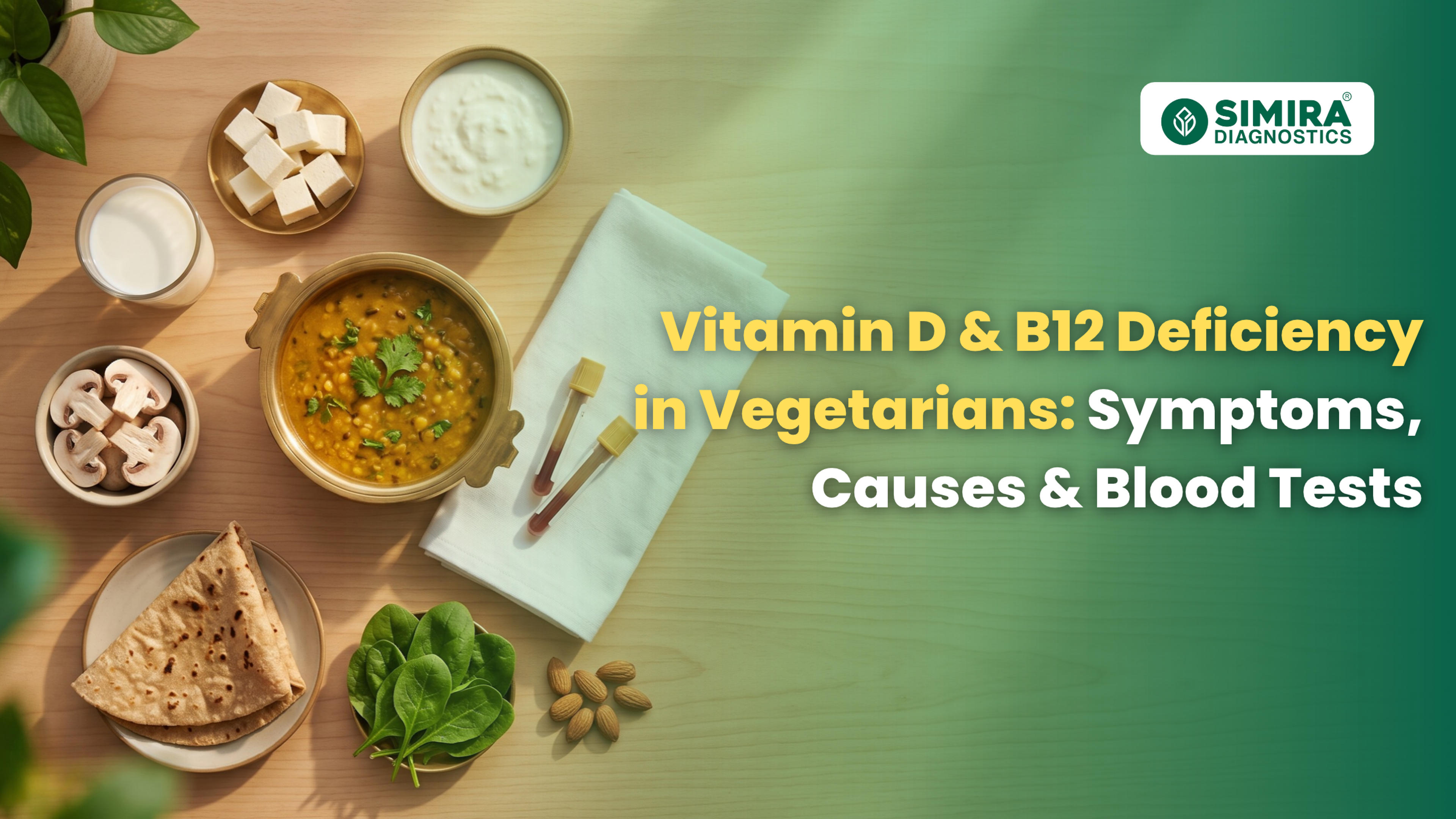
A vegetarian diet can provide many essential nutrients, including fibre, vitamins, minerals, and plant-based protein. However, vegetarians may need to pay special attention to certain nutrients, particularly Vitamin B12 and Vitamin D, to maintain optimal health.
Vitamin B12 plays an important role in red blood cell formation, nerve function, and DNA synthesis. Vitamin D supports calcium absorption, bone strength, and normal muscle function. A deficiency in either vitamin can affect overall health and may develop gradually without obvious symptoms in the early stages.
People following a vegetarian diet, especially those who avoid dairy products and fortified foods, may be at a higher risk of Vitamin B12 deficiency. Vitamin D deficiency can affect people with different dietary habits, depending on sun exposure, absorption, and other individual factors.
So, how can you recognise the signs of these deficiencies? Which blood tests help detect them, and when should you consider getting tested?
In this guide, we explain the symptoms, causes, risk factors, and Vitamin D and B12 blood tests that can help assess your nutritional health.
Why Are Vitamin D and B12 Important for Your Body?
Although both vitamins are essential, they perform different functions in the body.
Vitamin D: Essential for Bones and Muscles
Vitamin D helps the body absorb calcium and phosphorus, which are important for maintaining strong bones and teeth. It also supports muscle function and normal immune system activity.
Low Vitamin D levels may contribute to bone discomfort, muscle weakness, and, in severe or prolonged cases, bone disorders such as osteomalacia in adults.
The body produces Vitamin D when the skin is exposed to ultraviolet B (UVB) sunlight. It can also be obtained from selected foods and supplements.
Vitamin B12: Essential for Nerves and Red Blood Cells
Vitamin B12, also known as cobalamin, is necessary for normal nerve function, red blood cell formation, and DNA synthesis.
A deficiency can lead to megaloblastic anaemia and neurological problems, including tingling or numbness in the hands and feet. Neurological damage can occur even without obvious anaemia, which is why persistent symptoms should not be ignored.
Vitamin B12 occurs naturally mainly in animal-derived foods. People following vegetarian or vegan diets may need to rely on fortified foods or supplements, depending on their dietary intake and individual needs.
Why Are Vegetarians at Risk of Vitamin B12 Deficiency?
Vitamin B12 is naturally found primarily in animal-derived foods, such as milk, curd, cheese, eggs, fish, meat, and poultry.
For this reason, people following vegetarian diets may have a higher risk of Vitamin B12 deficiency, especially if they consume few dairy products, eggs, or fortified foods. Vegans are particularly vulnerable because they avoid all animal-derived foods.
Common Causes of Vitamin B12 Deficiency
- Limited intake of Vitamin B12-rich or fortified foods.
- Following a vegan diet without reliable B12 supplementation.
- Poor absorption due to certain stomach or intestinal conditions.
- Pernicious anaemia, an autoimmune condition that interferes with B12 absorption.
- Previous stomach or intestinal surgery.
- Certain medications, including metformin and some acid-reducing medicines, which may affect B12 status in some people.
Even people who consume dairy products can develop a deficiency if their intake is insufficient or their bodies cannot absorb the vitamin properly.
Why Can Vitamin D Deficiency Occur in Vegetarians?
Vitamin D deficiency is common across different dietary groups. A vegetarian diet may contribute to inadequate intake if suitable food sources are limited, but diet is only one part of the picture.
The body can produce Vitamin D through sunlight exposure. However, production varies according to factors such as skin pigmentation, season, time outdoors, clothing, sunscreen use, age, and geographic location.
Common Causes of Vitamin D Deficiency
- Limited exposure to sunlight.
- Low intake of Vitamin D-containing or fortified foods.
- Reduced absorption of fat-soluble vitamins due to certain digestive conditions.
- Obesity, which is associated with a greater risk of low circulating Vitamin D.
- Certain kidney or liver disorders that affect Vitamin D metabolism.
- Older age and other individual health factors.
Vegetarian sources of Vitamin D include fortified milk or plant-based milk, fortified cereals, and UV-exposed mushrooms, depending on the product. Food sources alone may not provide sufficient Vitamin D for everyone.
Important: Spending time in the sun does not guarantee adequate Vitamin D levels. Testing may be appropriate when symptoms or individual risk factors warrant it.
7 Common Symptoms of Vitamin D and B12 Deficiency
Vitamin D and B12 deficiencies can cause some overlapping symptoms, but each deficiency may also produce characteristic signs.
1. Persistent Fatigue and Low Energy
Feeling tired despite adequate rest may occur with Vitamin B12 deficiency, particularly when anaemia develops. Vitamin D deficiency may also be associated with muscle weakness or fatigue.
However, fatigue has many possible causes, including poor sleep, thyroid disorders, iron deficiency, and other medical conditions.
2. Muscle Weakness and Bone Discomfort
Vitamin D helps maintain healthy bones and muscles. Low levels may contribute to muscle weakness, bone pain, or difficulty performing everyday activities.
Severe or prolonged deficiency can impair bone mineralisation and lead to osteomalacia in adults.
3. Tingling or Numbness in the Hands and Feet
Tingling, numbness, or a pins-and-needles sensation may be a warning sign of Vitamin B12 deficiency because the vitamin is essential for nerve function.
These symptoms can also result from diabetes, nerve compression, and other neurological conditions. Prompt medical evaluation is important, particularly if symptoms are persistent or worsening.
4. Pale Skin or Signs of Anaemia
Vitamin B12 deficiency can cause megaloblastic anaemia, which may result in weakness, pale skin, breathlessness, or a rapid heartbeat.
Other nutritional deficiencies, including iron deficiency, can cause similar symptoms. A doctor may recommend a complete blood count and additional tests to determine the cause.
5. Difficulty Concentrating or Memory Changes
Some people with Vitamin B12 deficiency experience cognitive symptoms, such as difficulty concentrating or memory changes.
These symptoms are not specific to B12 deficiency and should be assessed in the context of a person's overall health.
6. Mood Changes
Low Vitamin B12 levels can sometimes be associated with mood changes. However, mood symptoms have many potential causes and cannot be used alone to identify a vitamin deficiency.
7. Frequent Health Concerns or Slow Recovery
Vitamin D supports normal immune function, but recurrent infections do not automatically indicate Vitamin D deficiency. Similarly, general weakness or feeling unwell cannot reliably distinguish between Vitamin D and B12 deficiency.
If you have persistent symptoms, consult a healthcare professional rather than starting high-dose supplements without assessment.
Which Blood Tests Detect Vitamin D and B12 Deficiency?
Blood testing can help identify deficiencies and guide appropriate treatment.
1. 25-Hydroxy Vitamin D Test
The 25-hydroxy Vitamin D blood test, also called 25-OH Vitamin D, is the standard test used to assess Vitamin D status.
It measures the main circulating form of Vitamin D and helps doctors determine whether levels are adequate, low, or potentially deficient.
Commonly used interpretation ranges include:
- Below 12 ng/mL: Associated with Vitamin D deficiency and increased risk of deficiency-related bone problems.
- 12–20 ng/mL: May be inadequate for some people.
- 20 ng/mL or higher: Generally sufficient for most healthy people according to the US National Academies' guidance.
These thresholds are not universal. Laboratories and clinical guidelines may use different cut-offs, and the appropriate target depends on individual circumstances.
Your doctor should interpret your result in the context of symptoms, medical history, and risk factors.
2. Vitamin B12 Blood Test
A serum Vitamin B12 test measures the amount of B12 circulating in the blood.
A low result may indicate deficiency, but borderline results can require further assessment. Depending on the findings, doctors may recommend additional tests such as methylmalonic acid (MMA), a complete blood count, or other investigations.
Symptoms and medical history also matter. A normal-looking blood count does not always exclude Vitamin B12 deficiency, particularly when neurological symptoms are present.
3. Complete Blood Count (CBC)
A CBC measures different components of blood, including red blood cells, haemoglobin, and other blood cell counts.
It can help identify anaemia and certain changes associated with B12 deficiency. However, a CBC alone cannot reliably rule out B12 deficiency.
4. Additional Tests When Needed
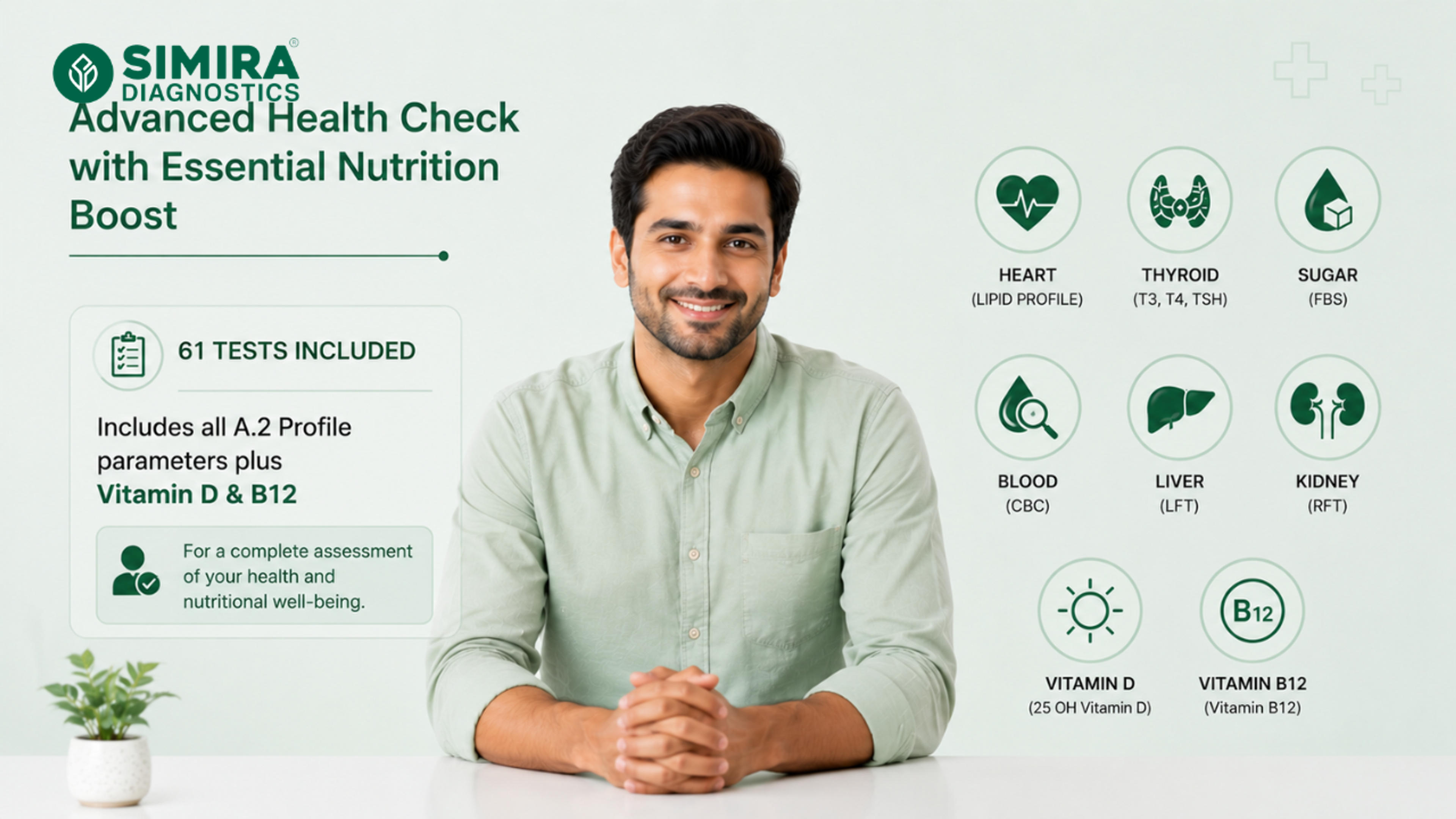
Depending on the clinical situation, a doctor may recommend tests to investigate the cause of a deficiency, such as iron studies, folate, thyroid function tests, or tests for malabsorption and pernicious anaemia.
Not everyone requires every test. The selection should be based on symptoms, dietary history, and clinical assessment.
How Often Should Vegetarians Check Vitamin D and B12 Levels?
There is no single testing schedule that is appropriate for every vegetarian.
Testing may be considered if you:
- Follow a vegan or vegetarian diet with limited fortified foods or reliable B12 supplementation.
- Have persistent fatigue, unexplained anaemia, tingling, or numbness.
- Experience bone discomfort or muscle weakness.
- Have a digestive condition that affects nutrient absorption.
- Have undergone relevant gastrointestinal surgery.
- Take medicines associated with an increased risk of B12 deficiency.
- Have previously been diagnosed with a deficiency and need follow-up.
Routine Vitamin D screening is not necessary for every healthy adult without symptoms or relevant risk factors. A healthcare professional can help determine whether testing is useful for your circumstances.
If you are already receiving treatment for a deficiency, your doctor may recommend repeat testing based on the severity of the deficiency, treatment plan, and clinical response.
How Can Vegetarians Prevent Vitamin D and B12 Deficiency?
A balanced vegetarian diet, suitable fortified foods, and appropriate supplementation can help maintain healthy nutrient levels.
Vegetarian Sources of Vitamin B12
Consider including:
- Milk, curd, and cheese.
- Eggs, if included in your vegetarian diet.
- Vitamin B12-fortified breakfast cereals.
- Fortified plant-based milk and other fortified foods.
Unfortified plant foods, including most fruits, vegetables, nuts, and grains, are not reliable sources of active Vitamin B12.
People following a vegan diet generally need a reliable source of Vitamin B12 through fortified foods or supplements.
Vegetarian Sources of Vitamin D
Potential sources include:
- Vitamin D-fortified milk.
- Fortified plant-based milk.
- Fortified breakfast cereals.
- UV-exposed mushrooms, depending on their Vitamin D content.
- Supplements when recommended by a healthcare professional.
Sunlight exposure can also support Vitamin D production, but the amount needed varies and excessive UV exposure increases skin damage risk.
Should You Take Vitamin D and B12 Supplements?
Supplements may be appropriate when dietary intake is inadequate, a deficiency is confirmed, or a person has a condition that affects absorption.
The recommended dose depends on individual needs, the severity of the deficiency, medical history, and treatment goals.
Avoid taking high doses of Vitamin D without medical supervision because excessive intake can cause high blood calcium levels and kidney complications.
If you have symptoms of Vitamin B12 deficiency, seek medical advice rather than relying solely on dietary changes. Early treatment is important because some neurological complications may become irreversible if deficiency remains untreated.
Vitamin D vs Vitamin B12 Deficiency: What Is the Difference?
| Feature | Vitamin D deficiency | Vitamin B12 deficiency |
| Main role | Bone, calcium and muscle health | Nerve function and red blood cell formation |
| Common concerns | Muscle weakness, bone discomfort | Fatigue, anaemia, tingling or numbness |
| Main dietary sources | Fortified foods and selected mushrooms | Dairy, eggs and fortified foods |
| Common blood test | 25-hydroxy Vitamin D | Serum Vitamin B12 |
| Major risks | Limited sun exposure, low intake, absorption issues | Low dietary intake, poor absorption, certain medicines |
| Treatment | Individualised Vitamin D replacement when indicated | Dietary correction or B12 replacement, depending on the cause |
Symptoms can overlap, and some people may have both deficiencies. Blood testing and clinical evaluation help identify the underlying problem.
Conclusion
Vitamin D and B12 are essential nutrients that support different aspects of health, from bone strength and muscle function to nerve health and red blood cell production.
Vegetarians, especially those who consume limited fortified foods or animal-derived products, should pay attention to their Vitamin B12 intake. Vitamin D deficiency can affect people of all dietary patterns, particularly when sunlight exposure, dietary intake, or absorption is insufficient.
If you experience persistent fatigue, muscle weakness, bone discomfort, tingling, or other unexplained symptoms, consult a healthcare professional to determine whether testing is appropriate.
The 25-hydroxy Vitamin D test and Vitamin B12 blood test can help assess your nutritional status when clinically indicated. Early identification and appropriate treatment can help prevent complications and support long-term well-being.
Prioritise your nutritional health with informed dietary choices, appropriate testing, and professional medical guidance.
Medical Disclaimer
Disclaimer: This article is intended for general educational and awareness purposes only. It is not a substitute for medical diagnosis, treatment or professional medical advice. Health screening recommendations vary according to age, sex, symptoms, medical history, medications, family history and individual risk factors. Please consult a qualified healthcare professional before deciding which tests or screenings are appropriate. Do not start, stop or change medication based solely on information in this article.