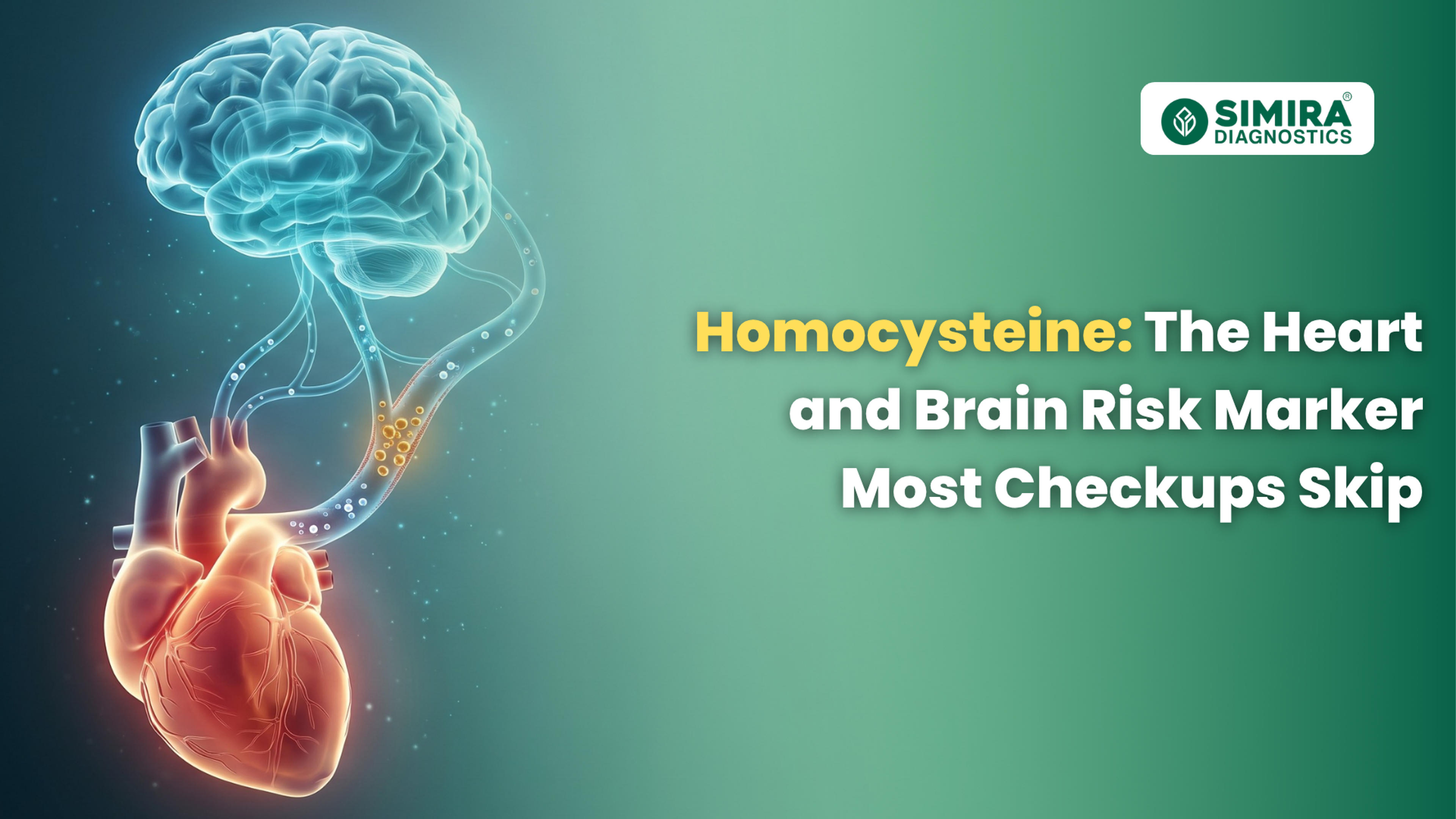
When we think about heart health, we usually think about cholesterol, blood pressure and blood sugar. For brain health, we often focus on memory, concentration and neurological symptoms. But there is another blood marker that connects to both cardiovascular and neurological health: Homocysteine.
Homocysteine is a naturally occurring amino acid in the blood. The body normally breaks it down with the help of vitamins B6, B12 and folate (vitamin B9). However, when these nutrients are insufficient or certain health conditions affect its metabolism, homocysteine levels may increase.
Elevated homocysteine has been associated with cardiovascular problems, including heart disease and stroke. It may also be linked to certain neurological and cognitive conditions. However, an important distinction is that an association does not automatically mean that high homocysteine directly causes these conditions.
So, what exactly is homocysteine? Why does it matter for your heart and brain? Who may need a homocysteine blood test, and what should you do if your levels are elevated?
Let's understand this often-overlooked health marker.
1. What Is Homocysteine?
Homocysteine is a sulphur-containing amino acid produced naturally during the metabolism of methionine, an amino acid obtained from protein-containing foods.
Under normal circumstances, the body processes homocysteine and converts it into other substances through pathways that require three important B vitamins:
- Vitamin B12: Helps convert homocysteine back into methionine.
- Folate (Vitamin B9): Supports the conversion process by supplying the necessary methyl groups.
- Vitamin B6: Helps convert homocysteine into cysteine through another metabolic pathway.
When the body does not have sufficient amounts of these vitamins, or when certain medical conditions affect homocysteine metabolism, its concentration in the bloodstream may increase.
This condition is called hyperhomocysteinemia.
Why Is Homocysteine Important?
Homocysteine is important because elevated levels have been associated with:
- Cardiovascular disease.
- Stroke and other vascular conditions.
- Vitamin B12 and folate deficiencies.
- Certain neurological and cognitive concerns.
- Rare inherited metabolic disorders.
However, homocysteine is only one piece of the health picture. It cannot independently diagnose heart disease, predict a stroke or confirm a neurological condition.
2. How Does High Homocysteine Affect Heart Health?
The heart depends on healthy blood vessels to deliver oxygen and nutrients throughout the body. Elevated homocysteine has been associated with changes in blood vessel function and damage to the vascular lining.
Researchers have studied several possible mechanisms through which high homocysteine may influence cardiovascular health.
Possible Effects on Blood Vessels
1. Oxidative stress
Elevated homocysteine may contribute to oxidative stress, an imbalance between harmful reactive molecules and the body's antioxidant defences. Oxidative stress can affect the cells lining blood vessels.
2. Endothelial dysfunction
The endothelium is the thin layer of cells lining blood vessels. It helps regulate blood flow and vascular function. High homocysteine has been associated with impaired endothelial function.
3. Blood clotting mechanisms
Elevated homocysteine may influence pathways involved in blood clot formation and the body's ability to regulate clotting.
4. Vascular inflammation
Some research suggests that elevated homocysteine may be associated with inflammatory and vascular changes that contribute to cardiovascular risk.
Does High Homocysteine Mean You Have Heart Disease?
No.
An elevated homocysteine result does not mean that you have blocked arteries, an impending heart attack or an existing cardiovascular condition.
Although observational studies have linked high homocysteine with cardiovascular risk, clinical trials have not consistently shown that lowering homocysteine with B-vitamin supplements prevents heart attacks or reduces cardiovascular deaths.
This is why homocysteine should be interpreted alongside established risk factors such as blood pressure, cholesterol, diabetes, smoking and family history.
3. What Is the Connection Between Homocysteine and Brain Health?
The brain requires a continuous supply of oxygen and nutrients through healthy blood vessels. Conditions affecting circulation can influence brain function.
Elevated homocysteine has been studied in relation to neurological and cognitive health, particularly because of its association with vascular changes and vitamin deficiencies.
Possible Links to Brain Health
1. Stroke risk
High homocysteine has been associated with an increased risk of stroke in observational research. However, it is not an established standalone screening test for predicting stroke.
2. Cognitive function
Some studies have found associations between elevated homocysteine and cognitive decline, including changes in memory and thinking abilities.
3. Vitamin B12 deficiency and nerve health
Vitamin B12 is essential for normal nerve function. A deficiency can cause neurological symptoms such as tingling, numbness, balance problems and memory-related concerns. Elevated homocysteine may help identify a possible nutritional deficiency, but it is not specific to B12 deficiency.
4. Brain ageing
Researchers continue to investigate the relationship between homocysteine, vascular health and age-related cognitive changes. Current evidence does not establish homocysteine as a reliable standalone predictor of dementia or Alzheimer's disease.
Important: High homocysteine does not mean that someone will develop a stroke, dementia or memory loss. A healthcare professional must evaluate symptoms and other risk factors before drawing conclusions.
4. What Causes High Homocysteine Levels?
Several nutritional, lifestyle and medical factors can contribute to elevated homocysteine.
Common Causes and Risk Factors
| Cause or risk factor | How it may affect homocysteine |
| Vitamin B12 deficiency | Reduces the body's ability to convert homocysteine into methionine |
| Folate deficiency | Interferes with normal homocysteine metabolism |
| Vitamin B6 deficiency | Can affect the pathway that converts homocysteine into cysteine |
| Kidney disease | Reduced kidney function can contribute to higher homocysteine levels |
| Hypothyroidism | An underactive thyroid may be associated with elevated levels |
| Smoking | Can influence homocysteine concentrations and vascular health |
| Ageing | Homocysteine levels may increase with age |
| Genetic conditions | Certain inherited metabolic disorders can cause significantly elevated levels |
Some medications may also influence homocysteine metabolism. This is why it is important to tell your doctor about all prescription medicines and supplements you take.
5. Symptoms of High Homocysteine: Are There Any Warning Signs?
High homocysteine itself usually does not cause specific or easily recognisable symptoms.
In many cases, it is discovered during investigations for vitamin deficiencies, certain medical conditions or selected cardiovascular risk assessments.
However, if elevated homocysteine is related to a nutritional deficiency, symptoms of that deficiency may be present.
Possible Symptoms Associated With Vitamin B12 or Folate Deficiency
- Persistent tiredness or weakness.
- Tingling or numbness in the hands and feet.
- Dizziness.
- Difficulty concentrating.
- Pale skin.
- Mouth ulcers or a sore tongue.
- Balance or coordination problems.
These symptoms are not specific to high homocysteine and may occur due to several other health conditions.
If you experience sudden weakness on one side of the body, facial drooping, difficulty speaking, sudden vision problems or a sudden severe headache, seek emergency medical care immediately. Do not wait for a homocysteine test.
6. Homocysteine Blood Test: What Does It Measure?
A Homocysteine Blood Test measures the concentration of homocysteine in your blood. It is also known as a total homocysteine test.
The test is performed using a blood sample collected from a vein, usually in the arm.
What Is the Test Used For?
A healthcare professional may recommend a homocysteine test to:
- Investigate possible vitamin B12, B6 or folate deficiency.
- Assess selected patients with cardiovascular or vascular risk factors.
- Investigate certain unexplained clinical findings.
- Support the evaluation of rare inherited metabolic disorders such as homocystinuria.
- Monitor homocysteine levels in selected patients undergoing treatment for an identified metabolic condition.
Routine homocysteine screening is not recommended for every healthy person because its value in predicting cardiovascular events and changing treatment decisions remains uncertain.
Does the Homocysteine Test Require Fasting?
Preparation requirements can vary by laboratory and clinical purpose.
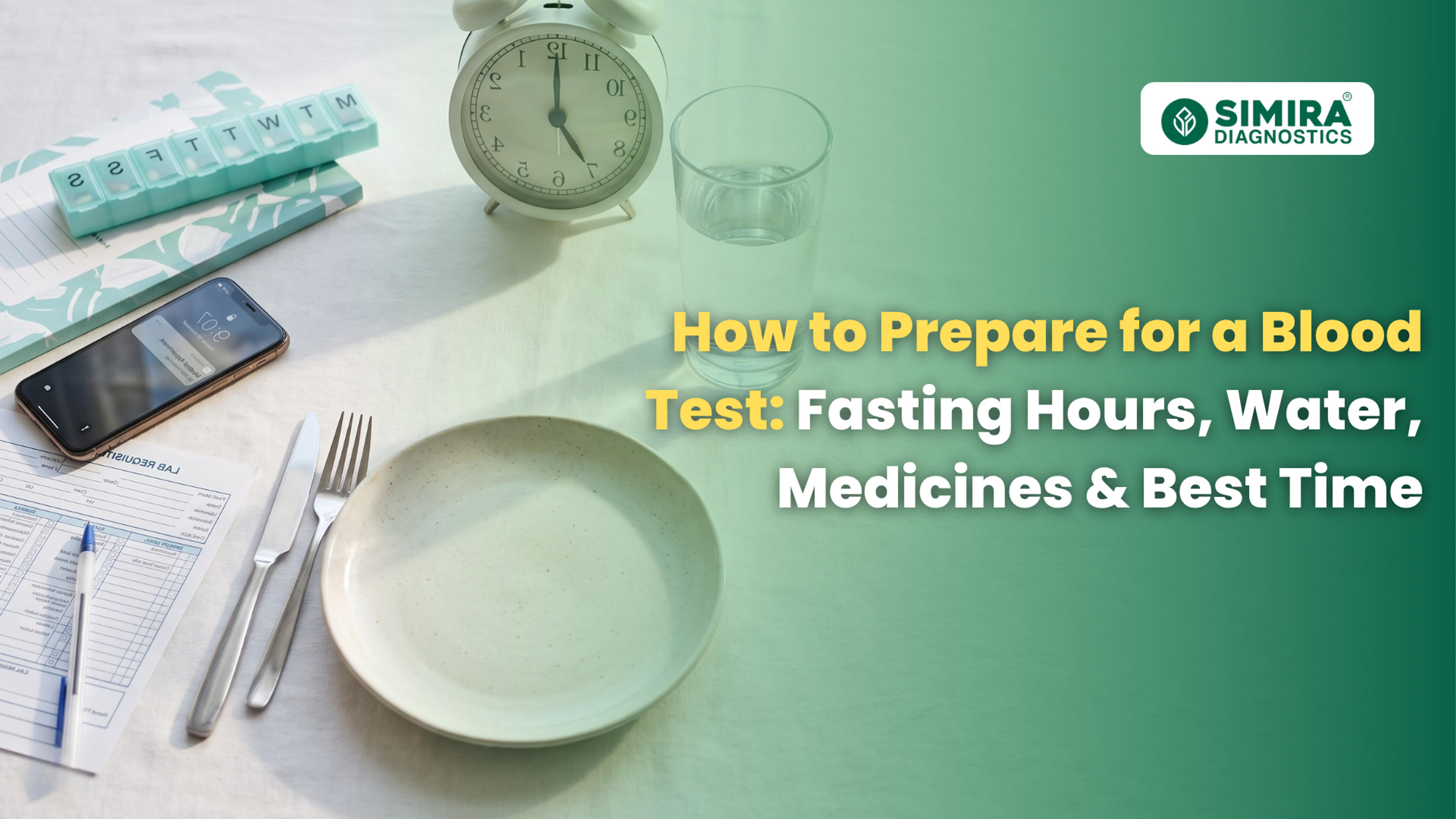
Some laboratories may recommend fasting for approximately 8–12 hours before sample collection.
Before your appointment:
- Confirm the fasting requirement with your laboratory.
- Ask whether plain water is permitted during fasting.
- Inform your doctor about medicines and vitamin supplements.
- Do not stop prescribed medication without medical advice.
7. What Is a Normal Homocysteine Level?
Homocysteine is generally measured in micromoles per litre (µmol/L).
Reference ranges can differ between laboratories depending on the testing method, age and other factors.
Some laboratories use an approximate reference range of 5–15 µmol/L for adults, but this should not be treated as a universal diagnostic cutoff.
Understanding Your Homocysteine Report
| Result category | General interpretation |
| Within the laboratory reference range | Homocysteine is within the stated reference limits |
| Above the reference range | May require evaluation for nutritional, kidney, thyroid or other contributing factors |
| Significantly elevated | May require further medical investigation, particularly if an inherited metabolic condition is suspected |
A high result should not be interpreted in isolation. Your doctor may consider your medical history, symptoms, medications, kidney function and vitamin levels.
8. Which Other Tests May Be Recommended Along With Homocysteine?
If homocysteine is elevated, your doctor may recommend additional investigations to identify the possible cause.
| Test | Why it may be recommended |
| Vitamin B12 | Helps identify vitamin B12 deficiency |
| Folate (Vitamin B9) | Evaluates folate status |
| Vitamin B6 | May be assessed when deficiency is suspected |
| Complete Blood Count (CBC) | Helps identify anaemia and changes in blood cells |
| Kidney Function Test (KFT) | Evaluates kidney function, which can influence homocysteine levels |
| Thyroid Profile (TSH) | Helps investigate possible hypothyroidism |
| Methylmalonic Acid (MMA) | May help clarify suspected vitamin B12 deficiency in selected cases |
Not everyone with elevated homocysteine needs all these tests. The choice depends on the result, medical history and clinical findings.
Why Are Vitamin B12 and Folate Tests Important?
Vitamin B12 and folate play important roles in red blood cell production, DNA synthesis and normal nervous system function.
A deficiency in either vitamin can contribute to elevated homocysteine.
Testing these vitamins can help identify a potentially treatable nutritional problem rather than focusing only on the homocysteine number.
9. How Can You Maintain Healthy Homocysteine Levels?
Maintaining a balanced diet and addressing nutritional deficiencies can support normal homocysteine metabolism.
1. Include Vitamin B12-Rich Foods
Vitamin B12 is naturally present in animal-based foods.
Examples include:
- Milk and dairy products.
- Eggs.
- Fish.
- Chicken.
- Meat.
People following vegetarian or vegan diets may have a higher risk of inadequate B12 intake, particularly if they do not consume fortified foods or appropriate supplements.
2. Eat Folate-Rich Foods
Folate supports normal homocysteine metabolism.
Include foods such as:
- Spinach and other leafy green vegetables.
- Broccoli.
- Beans and lentils.
- Peas.
- Citrus fruits.
- Fortified grains, where available.
3. Include Vitamin B6 Sources
Vitamin B6 is involved in the metabolism of homocysteine.
Food sources include:
- Chickpeas.
- Bananas.
- Potatoes.
- Fish.
- Poultry.
- Nuts and seeds.
4. Avoid Smoking
Smoking is associated with several cardiovascular health risks and may also influence homocysteine levels. Avoiding tobacco supports overall vascular health.
5. Maintain Kidney and Thyroid Health
Kidney function and thyroid activity can influence homocysteine concentrations. Follow your doctor's advice if you have kidney disease or a thyroid condition.
6. Avoid Self-Prescribing Supplements
Although vitamins B6, B12 and folate are involved in homocysteine metabolism, taking high-dose supplements without identifying the underlying cause is not recommended.
Excessive vitamin B6 intake over time can cause nerve damage. Also, taking folic acid without recognising an underlying B12 deficiency may delay diagnosis of B12-related neurological problems.
Discuss supplementation with a qualified healthcare professional.
10. Should Everyone Include Homocysteine in Their Routine Health Checkup?
Not necessarily.
Homocysteine is an informative marker in selected clinical situations, especially when investigating possible B-vitamin deficiencies or certain metabolic conditions.
However, it is not currently recommended as a routine cardiovascular screening test for every healthy adult.
For most people, established preventive health assessments remain more important.
These may include:
- Blood pressure measurement.
- Lipid profile.
- Fasting blood glucose or HbA1c, when appropriate.
- Kidney function assessment, based on individual risk.
- Other investigations recommended according to age, symptoms and medical history.
A homocysteine test may be considered when a doctor believes it will provide additional useful information.
The goal of health screening is not simply to test more markers, but to choose tests that can meaningfully guide clinical decisions.
Conclusion
Homocysteine is an important metabolic marker that provides information about how the body processes certain amino acids and B vitamins. Elevated levels have been associated with cardiovascular and neurological health concerns, making it a useful investigation in selected clinical situations.
However, a high homocysteine result should not create unnecessary fear. It does not automatically mean that you have heart disease, blocked arteries or an increased certainty of stroke. Identifying possible vitamin deficiencies, kidney problems, thyroid conditions and other contributing factors is an important part of understanding the result.
Regular health assessments, a balanced diet and appropriate medical guidance remain essential for protecting long-term heart and brain health.
Medical Disclaimer: This article is intended for general educational and awareness purposes only. It is not a substitute for medical diagnosis, treatment or professional medical advice. Health screening recommendations vary according to age, sex, symptoms, medical history, medications, family history and individual risk factors. Please consult a qualified healthcare professional before deciding which tests or screenings are appropriate. Do not start, stop or change medication based solely on information in this article.